Where To Find Polenta In Grocery Store

Polenta. It sounds fancy, right? Like something a nonna in a tiny Italian village might make. But guess what? It’s basically just cornmeal on a glamorous European vacation. An...
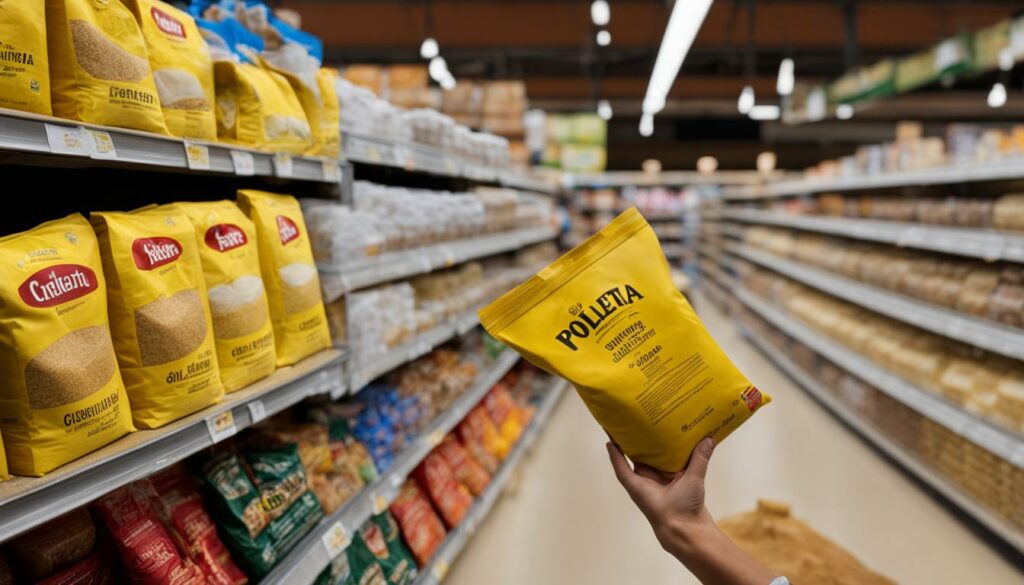
Polenta. It sounds fancy, right? Like something a nonna in a tiny Italian village might make. But guess what? It’s basically just cornmeal on a glamorous European vacation. And you can absolutely find it at your regular grocery store.
The Big Secret: It’s in Two Places
Here’s the first thing you need to know. Polenta isn’t hiding in a secret aisle behind a velvet rope. It’s a split personality. You’ll find it in two different forms: the dry, powdery stuff and the wobbly, pre-cooked log.
One is a lazy weeknight hero. The other is a hot, cheesy mess of deliciousness. Pick your fighter.
Must Read
Raid the Dry Goods Aisle (The Classic Spot)
Head straight for the dry goods or pasta aisle. It’s usually hanging out near the rice, couscous, and beans. Look for a box or a big plastic bag with a picture of golden, creamy goodness on it.
This is the traditional polenta. You dump it into boiling water and stir like your life depends on it. It takes about 30-40 minutes of elbow grease. But hey, that’s free arm exercise while you wait for dinner!
Fun fact: The word “polenta” actually comes from Latin. It once meant “pearl barley” or “crushed grain.” Talk about an identity upgrade! It went from Roman peasant food to Instagram-worthy bowls.
The Instant Hack: The Pre-Cooked Log
Now, if you’re short on time or patience, find the refrigerated section. Check near the tofu, fresh pasta, or gourmet cheese. You’ll spot a weird, squishy-looking tube wrapped in plastic. It looks like a giant, pale-yellow sausage.
Do not be alarmed. That’s pre-cooked polenta. It’s a genius invention. Just slice it, fry it in butter, or throw it on the grill. It gets crispy on the outside and soft on the inside. It’s basically cornbread’s cool, hipster cousin.
Here’s a quirky detail: That log is actually shelf-stable in many stores. But most grocers stick it in the cold aisle anyway, just to confuse you. Check the date. If it’s not cold, grab it from the dry aisle. Life is a mystery.
Don’t Forget the Ethnic Aisle
If the main aisles let you down, deploy your secret weapon. Go to the international aisle. Specifically, the Mexican or Latin American section.
Why? Because masa harina and harina de maíz are polenta’s long-lost cousins. In fact, polenta is just Italian grits. And grits are just American polenta. It’s a big, yellow, happy family. You’ll find bags of coarse cornmeal here for half the price. Boom. Instant savings.
 Polenta-Italian Style – The Chili Guys | Lulu's Farm
Pro tip: Look for the word “polenta” on the package. Some brands actually call it “Italian-style corn grits.” Grocery stores love a good branding game.
The Bulk Bin Treasure Hunt
Feeling adventurous? Check the bulk bins. You know, those big plastic bins where you scoop your own nuts and granola. Sometimes they hide a bin of coarse cornmeal labeled “polenta.”
It’s loose. It’s cheap. And you can smell it before you buy it. Fresh polenta smells a little like a warm corn tortilla. If it smells weird, skip it and buy a box.
Warning: Don’t confuse polenta with cornstarch. Cornstarch is a fine, white powder. Polenta is bright yellow and gritty. You do not want polenta in your pudding. Trust me on this.
The Freezer Aisle (Yes, Really)
Believe it or not, some fancy grocery stores sell frozen polenta. It’s often shaped into little rounds or logs. Check near the frozen vegetables or the fancy appetizers. It’s a life-saver for lazy chefs.
Just toss it in a pan from frozen. No stirring. No waiting. It’s the “instant ramen” of the Italian world, but fancier. You can toast it and serve it with mushrooms, cheese, or even maple syrup for breakfast. Don’t knock it till you try it.
What If You Can’t Find It Anywhere?
Okay, worst case scenario. Your grocery store is a polenta-free zone. Don’t panic. Just buy plain, coarse yellow cornmeal. Not the fine stuff for baking. The gritty, stone-ground kind. It cooks up exactly like polenta.
Slap a label on it that says “Polenta Originale di Casa Mia” (that’s “Homemade Original Polenta” in Italian nonsense-speak). It tastes the same. And it’s cheaper. You’ve hacked the system. You win.
Final funny fact: In Italy, polenta was once eaten off a wooden board. People would pour it out and eat it with a stick. No plates. Just a cornmeal pancake on a plank. Next time you find your polenta, try eating it off a cutting board. You’ll feel like a 16th-century farmer. It’s weird. It’s fun. And it’s delicious.
