Where Is The Prime Rib On A Cow

Welcome, carnivores and curious cooks! Have you ever stood in a butcher shop, stared at a beautifully marbled rib roast, and wondered, “Where exactly on the cow did that magni...
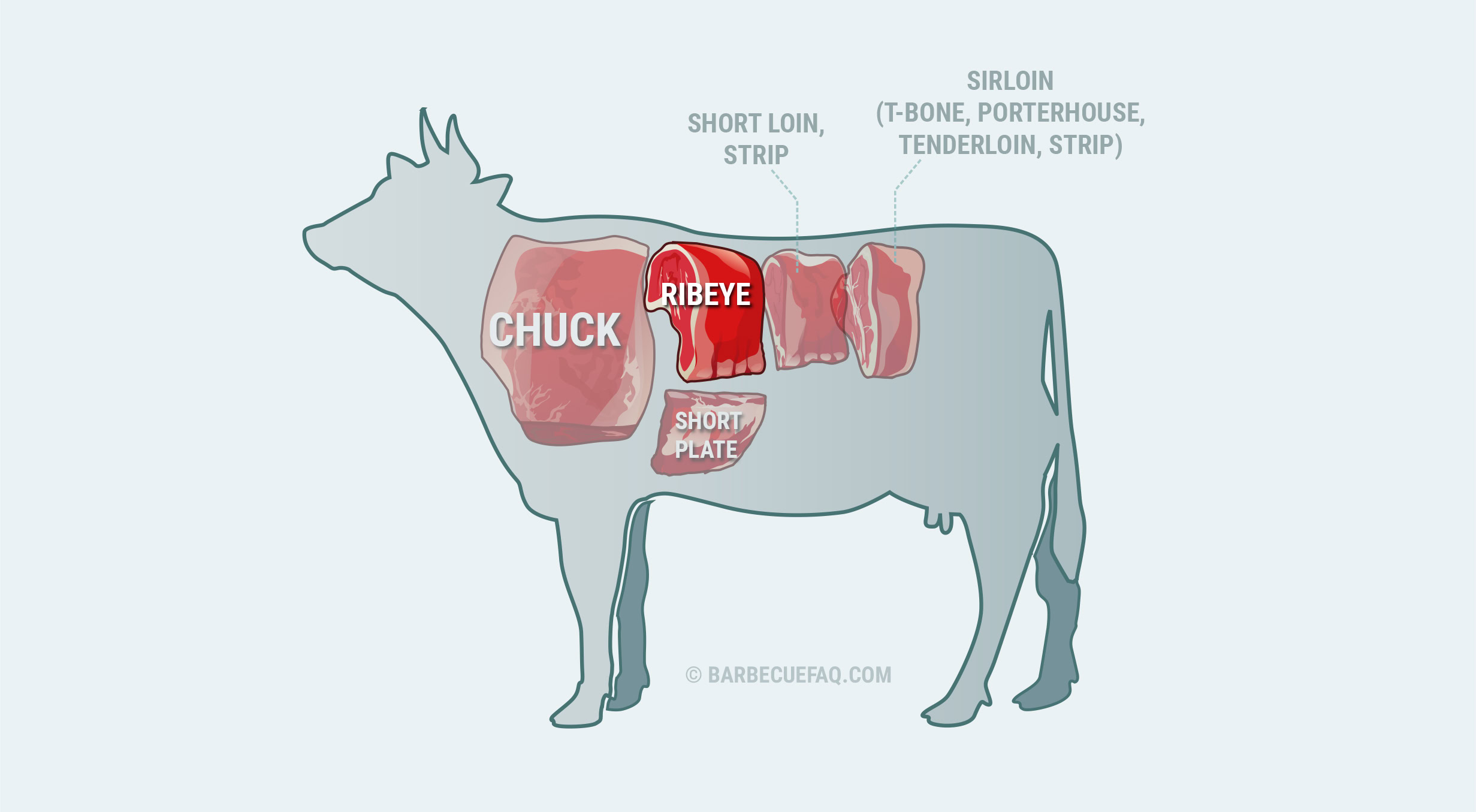
Welcome, carnivores and curious cooks! Have you ever stood in a butcher shop, stared at a beautifully marbled rib roast, and wondered, “Where exactly on the cow did that magnificent cut come from?” You’re not alone. Understanding the geography of a cow is like having a secret map to the most delicious treasures. It’s not just trivia; it’s the key to making sure you don’t accidentally buy a tough stewing meat when you’re craving a buttery, melt-in-your-mouth steak. Knowing where the prime rib lives gives you power—the power to select, cook, and impress with confidence. Let’s take a fun, no-nonsense tour of the bovine landscape to find this king of cuts.
First, let’s clear up the biggest myth: prime rib is not a specific recipe or a special “prime” grade of meat (though getting a USDA Prime graded one is amazing!). It’s a location. The prime rib comes from the primal rib section, which sits right in the middle-back of the cow, between the shoulder (chuck) and the loin (where you get T-bones and strip steaks). Imagine the cow’s ribs numbering one through thirteen. The prime rib cut typically includes ribs six through twelve. This area is a Goldilocks zone: it’s not overworked like the tough shoulder muscles, nor is it as lean as the loin. It gets just enough exercise to develop flavor but remains tender, juicy, and richly marbled with fat. That fat is your friend—it bastes the meat from within as it cooks.
Think of the cow’s ribcage as a curved shield. When you order a “prime rib” roast, you’re getting a slab that includes the ribeye muscle and the cap (the spinalis dorsi), which is often considered the best-tasting part. A full “standing rib roast” is a spectacular, bone-in cut (ribs 6-12 still attached), while a “ribeye steak” is simply that same cut sliced into individual portions, either bone-in or boneless. The marbling—those tiny white streaks of fat within the red muscle—is what makes this cut so special. As it cooks, that fat melts, infusing every bite with buttery richness. So, when you’re looking at a menu, remember: prime rib is the whole, grand roast; a ribeye is its glorious, individual slice. The cow’s secret is that it keeps its most luxurious real estate hidden right behind the shoulders.
Must Read
Here’s a fun way to visualize it. Google a diagram of a cow’s cuts. You’ll see the front quarter has the chuck (pot roast territory). Just behind that, the ribs start. The primal rib section is a wide, rectangular block, often called the “middle meat” region. If you move your hand from your own shoulder toward your waist, the area just above your belly button is roughly where the prime rib lives on a cow. Now, here’s a creative tip: if you’re hosting a dinner, think of the prime rib as the centerpiece of a story. Imagine telling your guests, “This magnificent roast comes from the cow’s most pampered, lazy muscle—it never ran a marathon, so it stays buttery soft.” That little piece of cow geography instantly makes the meal more memorable. You’re not just eating meat; you’re eating a piece of the animal’s lifestyle.
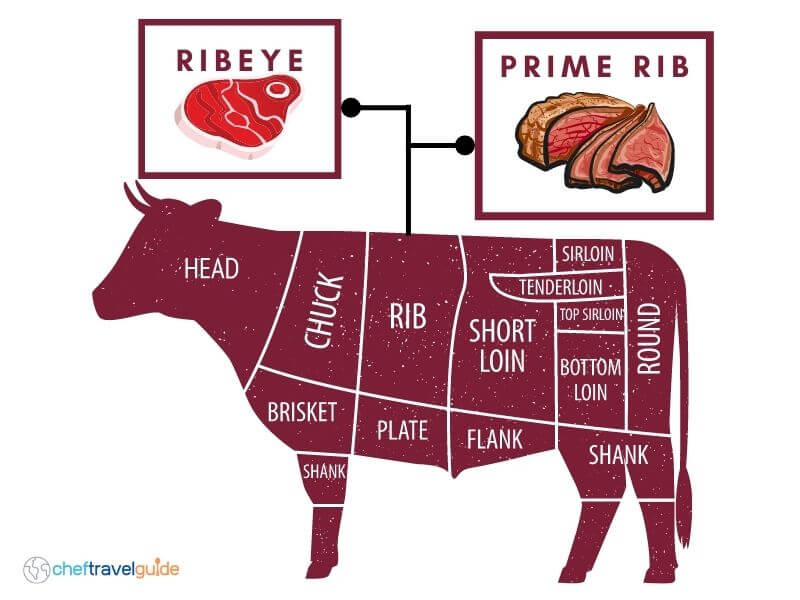 Prime Rib Vs Rib Roast Difference Between Prime Rib And Rib Roast
For the adventurous home cook, buying a whole bone-in standing rib roast is a rite of passage. The advantages are huge: it’s impressive, feeds a crowd, and the leftover ribeye steaks are fantastic. But beware of butcher tricks. Some butchers may try to sell you a cut from the “rib 1-5” area, which is closer to the chuck and can be less tender. Always ask for a cut that starts from the sixth rib back. A good rule of thumb: a standing rib roast should have a nice “cap” of fat on top and a solid, deeply marbled eye. When you get it home, let it sit out for an hour to take the chill off, then roast it low and slow (around 325°F) until it hits 120-125°F for a perfect medium-rare. Rest it for twenty minutes—this is non-negotiable. That rest time lets the juices redistribute, so every slice is as good as the last.
Finally, here’s a practical shopping tip: if a store labels a roast simply as “rib roast” without specifying “prime rib” or “standing rib roast,” check the price. The prime rib is always the most expensive cut from the rib section. If it’s suspiciously cheap, it’s likely from the chuck end (the first few ribs) or a poorly trimmed piece. Also, freshness matters. Look for bright, cherry-red meat with creamy white fat. Avoid any that look brown or have a grayish tinge. And here’s the ultimate party trick: use the bones! After you carve the roast, take the rib bones (called “dinosaur bones” by kids), season them, and broil them until caramelized. They are the cooks’ treat—a crunchy, delicious reminder of exactly where your prime rib came from. Now you’re not just a diner; you’re a beef cartographer with a very tasty map.

