Where Is 1/4 On A Measuring Cup

There’s something genuinely satisfying about knowing exactly where things are, especially in the kitchen. Finding the 1/4 cup mark on a measuring cup isn’t just about accuracy...
There’s something genuinely satisfying about knowing exactly where things are, especially in the kitchen. Finding the 1/4 cup mark on a measuring cup isn’t just about accuracy—it’s about confidence. Whether you’re a seasoned home cook, a weekend baker, or someone just trying to follow a recipe without a second guess, this simple skill makes the whole process smoother. It’s practical, it’s quick to learn, and it saves you from those frustrating moments of over-pouring or under-measuring. Plus, once you master it, you’ll feel a little bit more like you’re in control, which is a really nice feeling in a busy day.
The main purpose of finding the 1/4 cup is straightforward: it helps you portion ingredients accurately for recipes. But the real beauty is how it serves different people in different ways. For a beginner baker, it means your cookies won’t turn out too flat or too cakey. For a meal-prepper, it helps portion out grains or nuts without needing a scale. Even for a creative cook who likes to experiment, knowing that 1/4 cup of broth or oil is exactly right prevents a dish from becoming too watery or greasy. It’s a tiny unit of measure with big consequences for taste and texture.
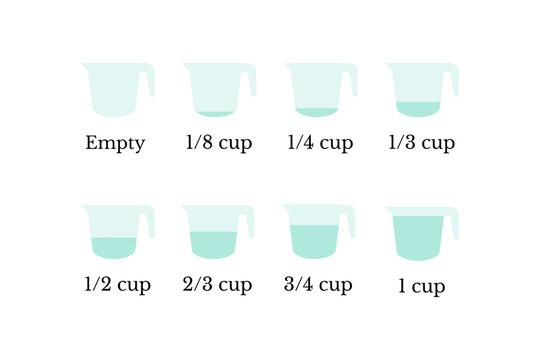
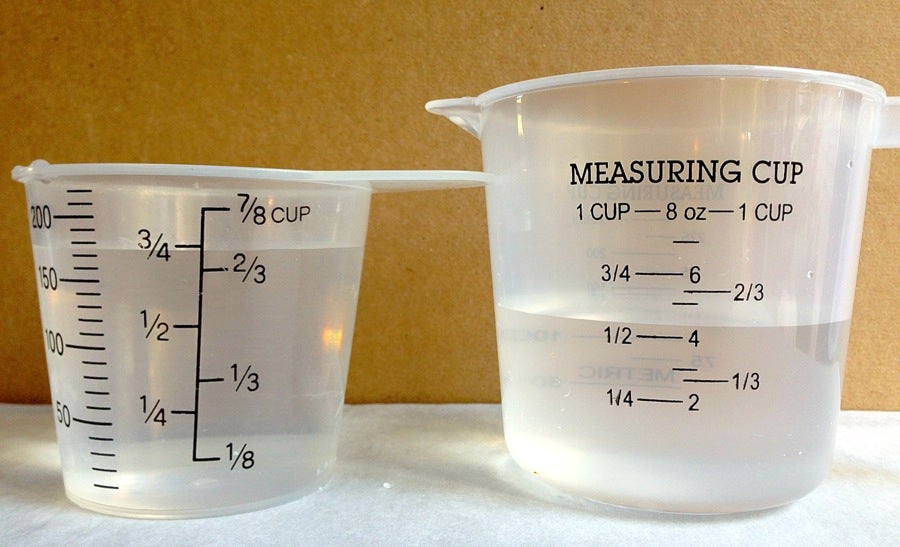
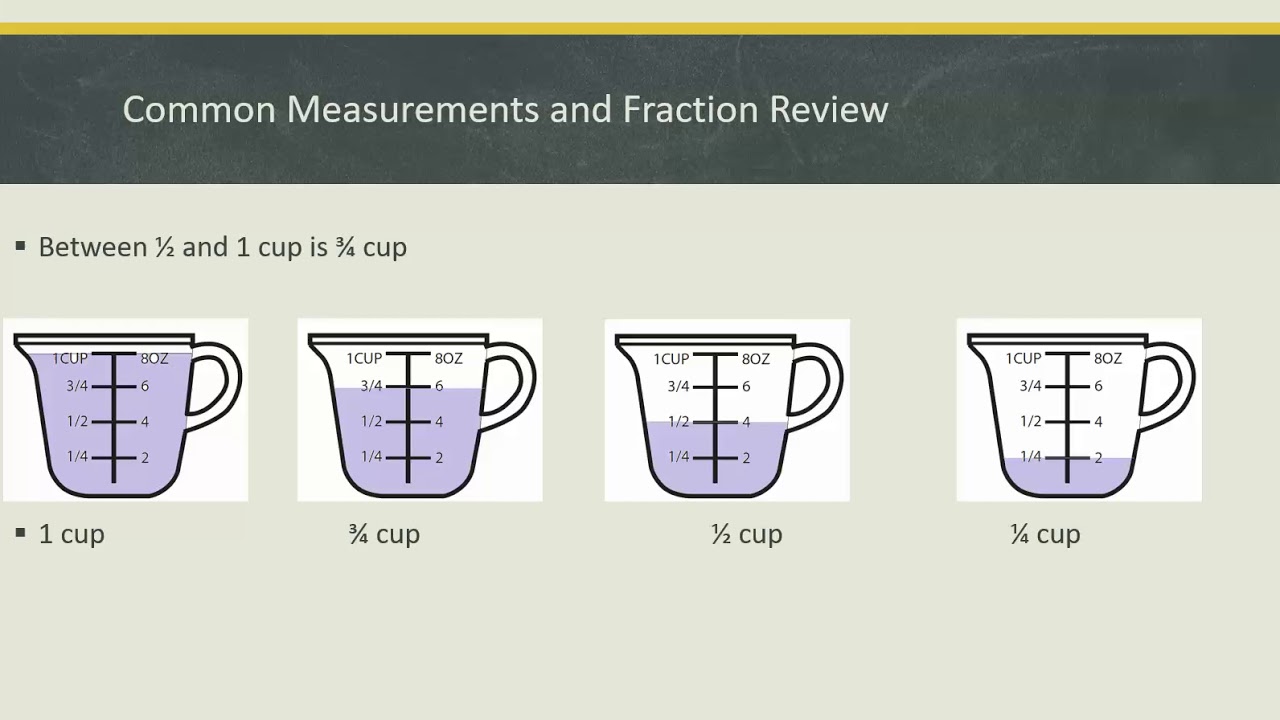
Now, where exactly is it? On a standard dry measuring cup set, the 1/4 cup is usually the smallest cup in the stack, clearly marked with a handle and a line, or it’s a dedicated cup with a rim that holds exactly that volume. But on a liquid measuring cup (the clear glass or plastic one with a spout), it’s trickier. Most liquid cups have markings that start at 1/4 cup, often near the bottom. You’ll see etched lines for 1/4, 1/3, 1/2, and 1 cup. The 1/4 line is typically the first major line above the spout base. Just remember: read at eye level on a flat surface to get it spot-on, because looking from above can trick you.
Must Read
Common variations you might recognize: some cups use metric equivalents, so 1/4 cup is about 60 milliliters. Others have fractional markings like “4 tablespoons” right next to the line (since 1/4 cup equals exactly 4 tablespoons). If your cup has those, use them! But if not, don’t fret—just look for the smallest increment below the 1/2 cup line. Another helpful tip: if your cup has a graduated design with multiple fractions, the 1/4 mark is usually placed between 1/8 and 1/3. It’s a little less than a third, but a little more than an eighth—just eyeball the spacing.
To make the most of it, start with these simple actions. Always use the correct type of cup for your ingredient: dry cups for flour, sugar, or oats (where you level off the top with a knife), and liquid cups for milk, oil, or water. For the 1/4 mark on a liquid cup, pour slowly until the bottom of the meniscus (the curved surface of the liquid) hits the line. If you’re using a dry 1/4 cup, fill it heaping, then sweep the top level with a straight edge. This one-to-one accuracy makes a tangible difference in your final dish—no more guessing!
 Multiplying Fractions Worksheet Measuring Cup
Another actionable trick: practice with water first. Fill your largest liquid measuring cup to the 1/4 line, then pour it into a dry 1/4 cup to see the match. This builds visual memory so you can identify the mark quickly later. Also, if you’re doubling a recipe and need multiple 1/4 cups, remember that 1/4 plus 1/4 equals 1/2 cup—so you can combine measurements without dirtying extra cups. Or just use the 1/2 cup line and fill it halfway: that’s 1/4 cup too. These little workarounds keep the process effortless even when you’re short on time.
Whether you’re making a tiny batch of pancakes or scaling down a huge soup recipe, the 1/4 cup is your trusty friend. It’s not just about where the line is—it’s about trusting that line to deliver consistent results. So next time you pull out that cup, take a second to find the right mark, pour with care, and enjoy the small victory of precision. After all, good cooking and great baking start with a single, reliable measure.