Where Does The Word Chocolate Originate From

You know how sometimes you bite into a chocolate bar and wonder what dark, mysterious history goes along with that satisfying snap? Well, buckle up, because the word "chocolat...
You know how sometimes you bite into a chocolate bar and wonder what dark, mysterious history goes along with that satisfying snap? Well, buckle up, because the word "chocolate" itself has a wild backstory that involves ancient civilizations, dead languages, and possibly the best name ever given by humans to a food item.
The Origin Story: Straight From the Aztecs
The word "chocolate" comes from the Nahuatl language, which was spoken by the Aztec civilization in Mexico. Their original word was "xocolātl", roughly pronounced as "sho-CO-laht." Side note: imagine being the linguistic ancestor of the world's most beloved comfort food — that's a pretty sweet legacy.
Nahuatl was a powerhouse language with millions of speakers when the Spanish conquerors showed up to ruin everyone's party in the 1500s. It still has around 1.5 million living speakers today, mostly in Mexico, which means chocolate technically has a living parent language. Meanwhile, Latin is dead, Greek went through a rebrand, and Nahuatl is quietly sitting there like, "Your favorite snack speaks my name."
Must Read
What Did Xocolātl Actually Mean?
Here's where it gets fun: the exact meaning is still hotly debated among linguists, because apparently even word nerds can't agree on things. The most popular theory breaks it down as "xocol" meaning "bitter" or "sour" and "ātl" meaning "water."
So, chocolate literally translated to something like "bitter water." Which is honestly the saddest name for a dessert ever invented. If you told an Aztec that one day people would call this bitter drink "chocolate" and then melt it into bars, they'd probably choke on their cacao foam.
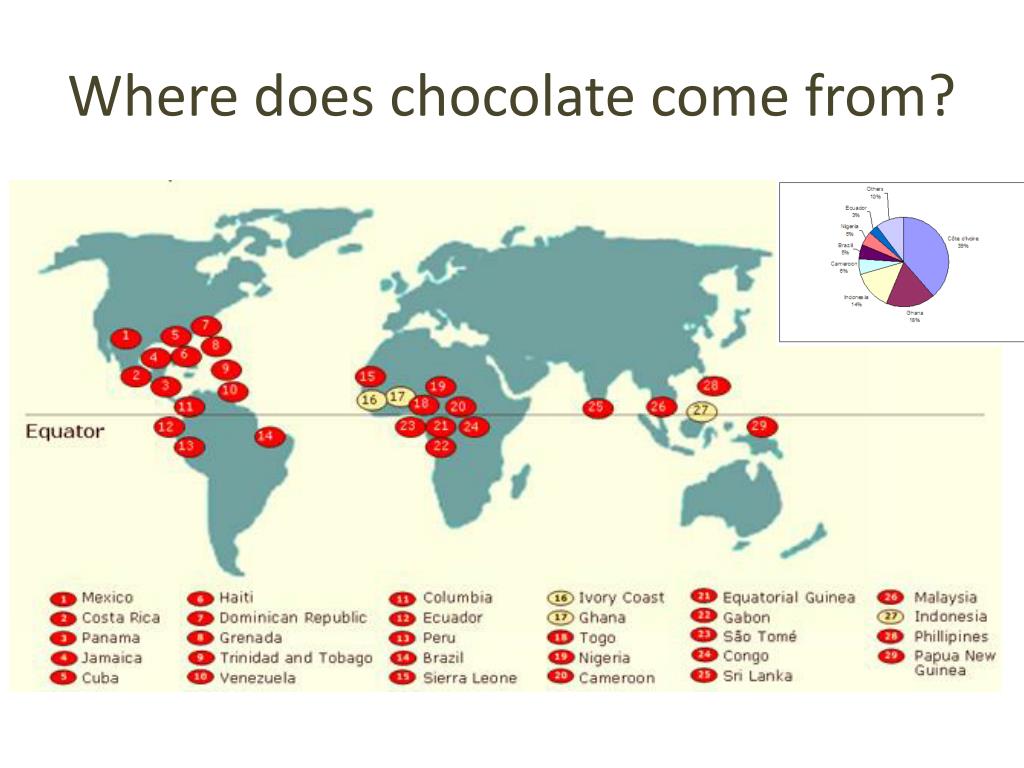
 Placing Chocolate on the map – King of Maps
Another theory suggests "xoc" could mean "stir" or "foam," making it "bitter water that's stirred up." This checks out because the Aztecs were famous for whipping their chocolate drinks into frothy perfection. Basically, they invented the fancy barista latte about 500 years before Starbucks.
How a Dead-ish Word Took Over the World
When Spanish conquistadors first encountered this onyö beverage in the Aztec empire, they were completely floored. Hernán Cortés and his crew essentially said, "This is disgusting, give us more," and stuffed barrels of cacao beans onto their ships. Imagine being so stubborn that you steal a bitter drink from people you just conquered and then forcefeed it to Europe.
The word "chocolate" then walked into European tongues and never left. First Spanish, then Portuguese, French, English, Italian — everyone eventually picked it up like verbal candy. Within a century, "chocolate" was bouncing around Europe with no visa and full confidence.
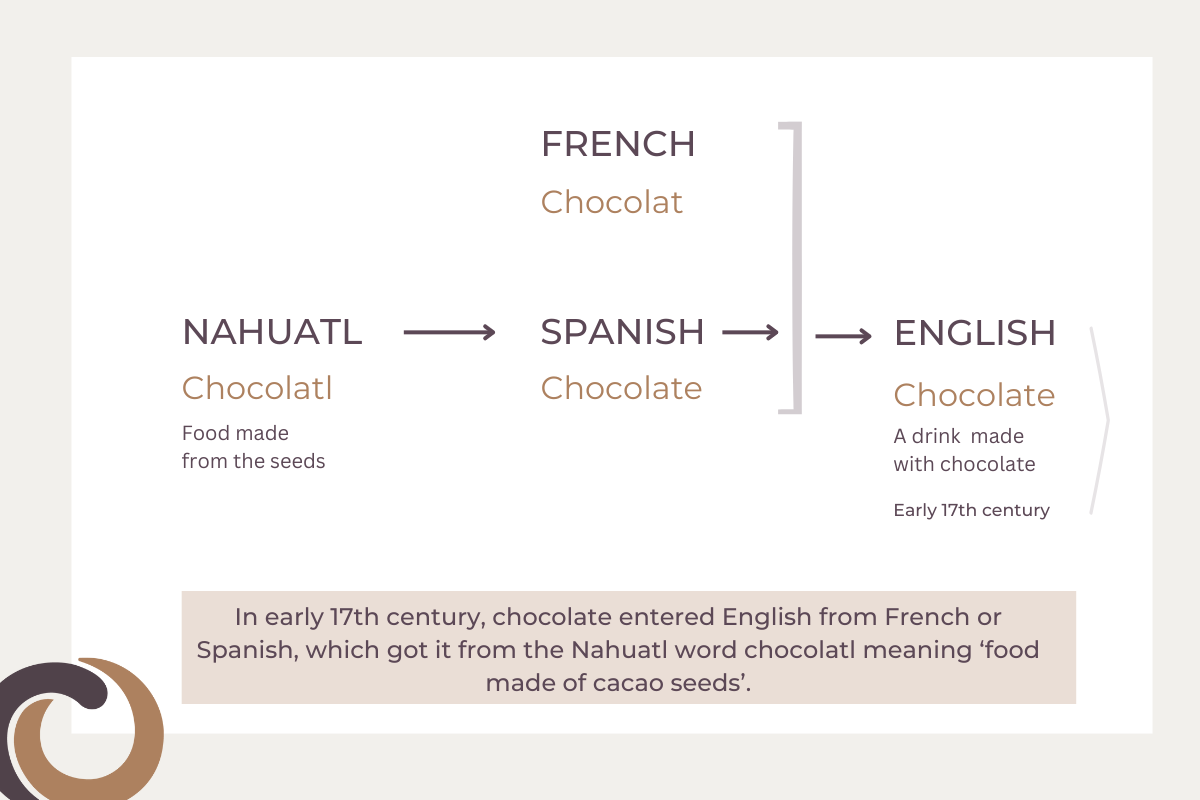 The Word Chocolate Is Derived From
The Cacao Connection
The word "cacao" comes from the Maya language, which predates the Aztec by a good few centuries, meaning Mexico's cocoa obsession is even older than its chocolate obsession. The Maya used cacao in religious ceremonies, as currency, and in drinks so sacred that commoners sometimes weren't even allowed to sniff it. Yep, chocolate was legally too fancy for regular people back then — centuries before gold bars replaced it in the fancy gift economy.
Somewhere around 1900 BCE, the Olmec people were already grinding cacao into drinks, which makes chocolate nearly 4,000 years old. For reference, that's older than most empires, all of Shakespeare, and definitely older than your espresso machine. Thank the Olmec next time you unwrap a Hershey's kiss.
The Sugar Revolution Made It Legendary
The original Aztec chocolate drinks were bitter, spicy, and sometimes thick enough to choke you. Nobody's ancestors were dreaming of chocolate sculpture while sipping that concoction. Then the Spanish added sugar, because apparently Europeans will sweeten literally anything.
 PPT - Chocolate in the News PowerPoint Presentation, free download - ID
This sweetness transformation turbocharged the word's popularity across the globe in the 1600s and 1700s. "Chocolate" went from describing a cathartic rattling drink to describing every indulgence humans crave. Suddenly, every café and noble house in Europe was obsessed with this one letter-shifting word from a faraway civilization.
Tiny But Mighty: The Word Today
Today, "chocolate" is recognized in virtually every language on Earth, and you'd be hard-pressed to find a culture that doesn't love it. That's an astonishing feat for a word that began as a Nahuatl compound meaning "bitter water" spoken by people who'd never even seen a continent shaped long enough to hold antibiotics. Some words stick around forever — but only chocolate has the spicy, bitter, frothy road to explain its survival.
So next time a friend asks you something like, "Where does the word chocolate come from?", you now have the full, ridiculous, five-thousand-year tale at your disposal. Go forth, impress strangers, and remember: chocolate's name may mean bitter water, but it is somehow, infinitely, the sweetest phrase humans ever said out loud.
