Where Does Salami Come From On A Pig

Welcome to the wonderfully weird world of charcuterie, where the question “Where does salami come from on a pig?” is actually a delightful detective story. You might have slic...
Welcome to the wonderfully weird world of charcuterie, where the question “Where does salami come from on a pig?” is actually a delightful detective story. You might have sliced into a salami stick at a party and never once wondered which part of the pig donated its muscle and fat to that tangy, chewy masterpiece. But knowing the answer isn’t just trivia; it’s a secret key to understanding flavor, texture, and why some salamis taste richer than others. This knowledge turns you from a casual snacker into an informed food explorer. Plus, it makes you the most interesting person at the next dinner party (and the most likely to be asked to carve the charcuterie board). So, let’s embark on this meaty adventure—no pig pun intended—and uncover the surprising sources of everyone’s favorite cured sausage.
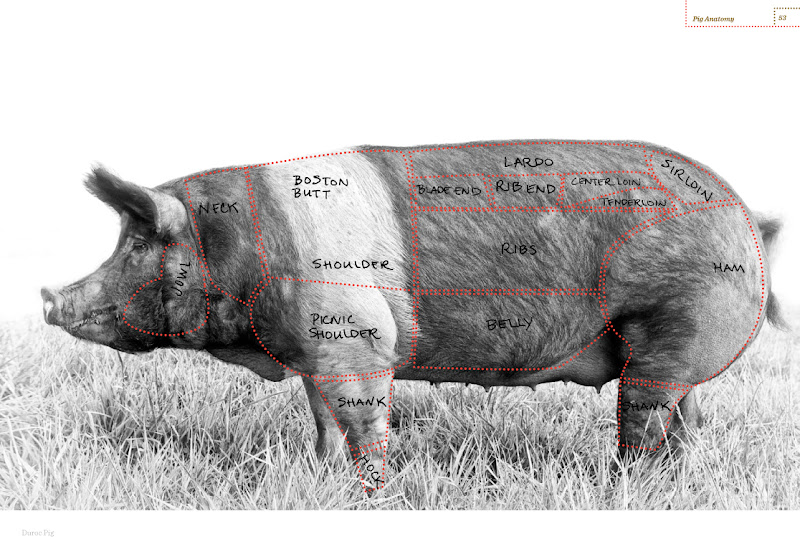
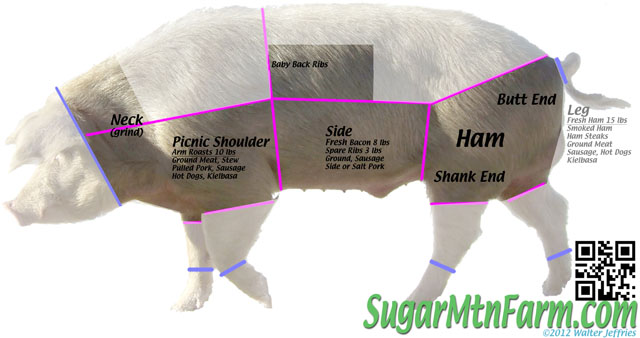
First, a crucial truth bomb: salami is never from one single magical cut like a tenderloin or a ham. Unlike a pork chop, which comes from a specific rib, salami is a mosaic, a glorious puzzle of meat and fat. The typical salami uses a blend of lean cuts—such as the shoulder, the leg, or the loin—and fatty cuts—mostly from the back fat or the belly. But the real star of the show is not a prime steak; it’s the trim. Butchers save the “scraps” and the less-tender muscles from the shoulder (called the “picnic shoulder” or “Boston butt”) and the “ham” end of the leg. These cuts have just the right amount of connective tissue and marbling to make a salami that holds together, stays juicy, and develops that deep, fermented umami over weeks of curing. Think of it as the pig’s B-team, proving that trash for one can be treasure for another.
Now, let’s talk about the most famous region: the back fat. This is the non-negotiable, golden ticket ingredient. If you look at many Italian-style salamis, like Genoa or Finocchiona, you’ll see little white cubes or flecks. That’s pure, firm fat from the pig’s back (the “lardo” layer between the skin and the muscle). This fat doesn’t melt away during aging like belly fat would. Instead, it stays solid, melting on your tongue like butter and coating each bite with richness. Without back fat, salami would be dry, crumbly, and sad. The ratio is precise: typically 70% lean meat to 30% fat. The best salami makers even insist on fat from a specific spot—the neck or the shoulder—because it has a higher melting point. That’s science you can taste!
Must Read
But wait—there’s a creative twist. Not all salamis are created equal, and some regional styles use surprising cuts. In Spain, chorizo often uses meat from the shoulder and leg, but the most flavorful versions include pancetta (cured belly) or even a little jowl fat (from the pig’s cheek). The jowl is intensely flavorful and fatty, giving a richness that can elevate a simple salami into something decadent. In Germany, some traditional “cervelat” salamis include finely ground head meat (from the cheeks and snout) mixed with tongue or heart. Yes, you read that right—organ meats are not uncommon. These cuts add a unique mineral-like depth and a distinct texture. So the next time you see a salami labeled “traditional,” check the ingredient list: if it mentions “pork head,” you’re about to taste a pig’s intelligent use of its entire anatomy.
 what part of the pig does salami come from
Here’s a practical tip for the home cook or curious eater: you can hunt for clues on the package. Most store-bought salamis in the U.S. and Europe list the meat sources as “pork” generically, but premium brands will specify: “pork shoulder, pork back fat”. If you spot “pork shoulder” or “Boston butt” on the label, you’re in for a classic, balanced experience. If it says “pork leg” or “ham,” the salami might be leaner and slightly drier. For the adventurous, look for salami that lists “pork jowls” or “pork cheek.” That’s a sign of a producer who cares about flavor over cost. And if you ever visit a deli or a farmer’s market, ask the butcher, “What part of the pig is this?” You’ll get a proud geography lesson and maybe even a free sample.
Finally, the best advice for wanting to enjoy salami like a pro is to embrace its origins. Pair your salami with things that complement the pig parts: a sharp cheese cuts through the back-fat richness; a crusty bread picks up the shoulder’s savory notes; and a drizzle of honey plays off any head-meat funkiness. If you’re feeling ambitious, try making your own salami at home (legally, with cured meats) using ground shoulder, back fat, and a simple culture starter. You’ll never look at a slice of salami the same way again. Because now you know: it’s not just a snack—it’s a story of the pig, from the mighty shoulder to the fatty back, all ground up and fermented into a delicious, edible atlas. So go ahead, take a bite, and tip your hat to the parts that didn’t make the steak cut.
