Where Does Powdered Sugar Come From

Let’s be honest: powdered sugar is the unsung hero of the kitchen. That fluffy, snow-like dust transforms a simple brownie into a bakery masterpiece and makes a stack of panca...

Let’s be honest: powdered sugar is the unsung hero of the kitchen. That fluffy, snow-like dust transforms a simple brownie into a bakery masterpiece and makes a stack of pancakes look like a five-star breakfast. But have you ever stopped mid-sprinkle and wondered, where does this magic actually come from? It’s a question that pops up when you’re dusting a birthday cake or icing a batch of cookies, because behind that light-as-air texture is a surprisingly simple story.
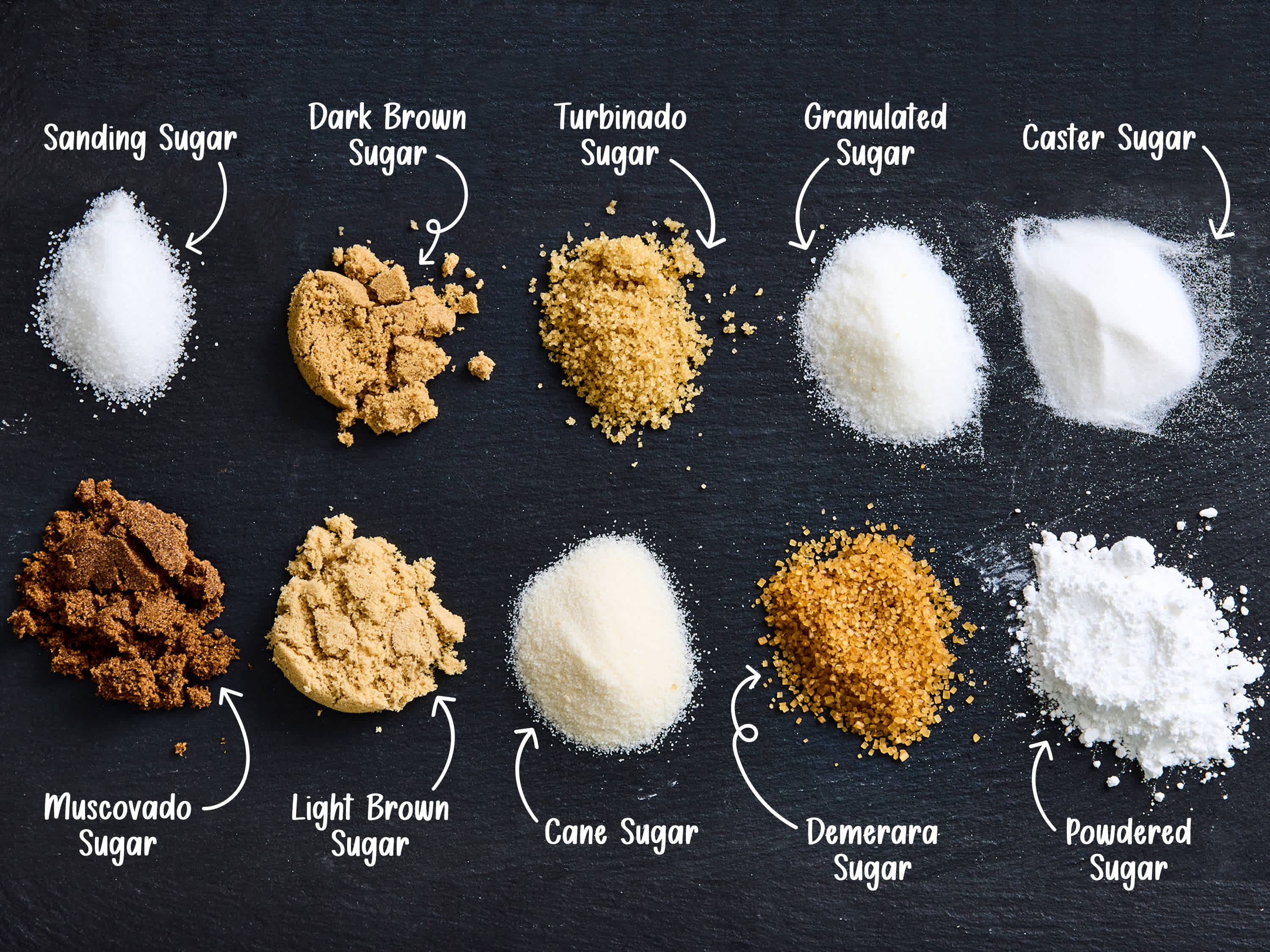
At its core, powdered sugar, also called confectioners’ sugar, starts its life as ordinary granulated white sugar. The journey is all about transformation: those tiny, hard crystals are sent through a high-speed mill that grinds them into a super-fine powder. This is not just any crushing, though. The process creates so much friction and heat that a small amount of cornstarch—usually about 3%—is added immediately. This starch is the secret weapon; it prevents the fine sugar from clumping together and keeps it flowing freely through your sifter or shaker.
This matters because powdered sugar is essential for texture and ease. For individuals, it saves time in the kitchen. Imagine trying to dissolve regular sugar into cold butter for a buttercream frosting—you’d end up with a gritty mess. Powdered sugar dissolves almost instantly because of its fine particle size. For families, it means accessible treats: kids can help dust a cake without needing a chemistry degree. For communities, it fuels small bakeries and home-based businesses that rely on consistent, smooth icings for celebration cakes and fundraisers.
Must Read
Think about real-life moments. On a lazy Sunday morning, you might grab a box of powdered doughnuts from the local bakery—that white coating is pure powdered sugar. Or, picture a holiday gathering where someone pulls out a classic angel food cake. Without a light cloud of powdered sugar on top, it looks bare. Even savory dishes get in on the action: a sprinkle of powdered sugar on bacon or roasted carrots balances saltiness with a touch of sweetness, thanks to its ability to melt at a whisper.
Here’s how you can use it easily at home. First, always keep a small mesh strainer or a dedicated dusting shaker handy. Just a gentle tap over your finished pastries creates an elegant look in seconds. Second, if you run out, don’t panic—make your own by blending one cup of granulated sugar with one tablespoon of cornstarch in a high-speed blender for 30 seconds. Third, for a richer icing, swap the liquid in your recipe for heavy cream or milk; powdered sugar absorbs liquid differently, giving you a lush, spreadable frosting without lumps.
 What is sugar | World Sugar Research Organisation
But the biggest benefit is versatility. Need to thicken a filling? Powdered sugar works. Want to make a quick glaze for coffee cake? Whisk a cup of powdered sugar with two tablespoons of water or lemon juice. Its low moisture content also means it stays stable in storage for months if kept airtight. This makes it a pantry staple for everyone, from college students on a budget to grandmas hosting Sunday dinners.
So the next time you tap that little shaker over a warm waffle or a frosted cookie, remember: you’re using a gift of engineering—simple sugar, lovingly pulverized and stabilized. It’s not just about looks; it’s about creating moments of joy, efficiency, and creativity in your kitchen. A little sprinkle can turn an ordinary day into something sweet and memorable.