Where Does Couscous Originate

You know that feeling when you open your pantry and spot a box of tiny, golden pearls? That’s couscous. It’s the weeknight hero that soaks up stews, gets cozy with roasted veg...
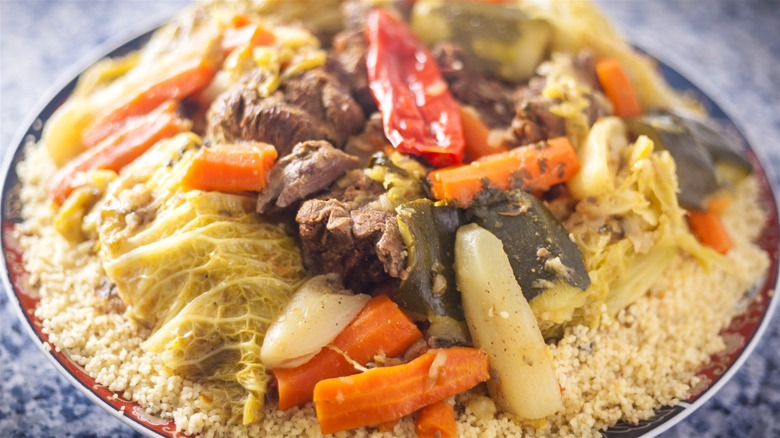
You know that feeling when you open your pantry and spot a box of tiny, golden pearls? That’s couscous. It’s the weeknight hero that soaks up stews, gets cozy with roasted veggies, and always leaves you full. But have you ever wondered, while you’re fluffing it with a fork, where this stuff actually comes from?
Let’s settle the big question. Couscous doesn’t hail from your local supermarket aisle. Its true home is North Africa, specifically the Maghreb region—that’s modern-day Morocco, Algeria, Tunisia, and Libya. For centuries, it’s been the soul food of Berber communities, long before anyone put it in a microwave pouch.
From Grandma’s hands to your dinner table
Picture this: a grandmother in a sunlit courtyard, rolling semolina wheat with her palms for hours. That’s the original recipe. No machines, no shortcuts—just grain, water, and patience. Today, your box might say “instant,” but the spirit is still Berber.
Must Read
Why should you care? Because every time you eat couscous, you’re biting into a story of survival and celebration. Bedouin tribes carried it across deserts because it kept forever and could feed a whole family on a handful. That’s not just food; that’s history you can taste.
Think of it like your favorite playlist that started as a folk song. Couscous began as humble millet or barley, then evolved with wheat when trade routes opened. It’s a migrant dish, just like so many of our families.
The “pasta” trap
Here’s a fun twist: lots of people call couscous “Moroccan pasta.” That’s partly true, but only if you squint. Real pasta is extruded dough; couscous is rolled and steamed. It’s closer to a grain than a noodle. So next time a friend says, “Oh, it’s just tiny pasta,” you can gently correct them—then offer them seconds.
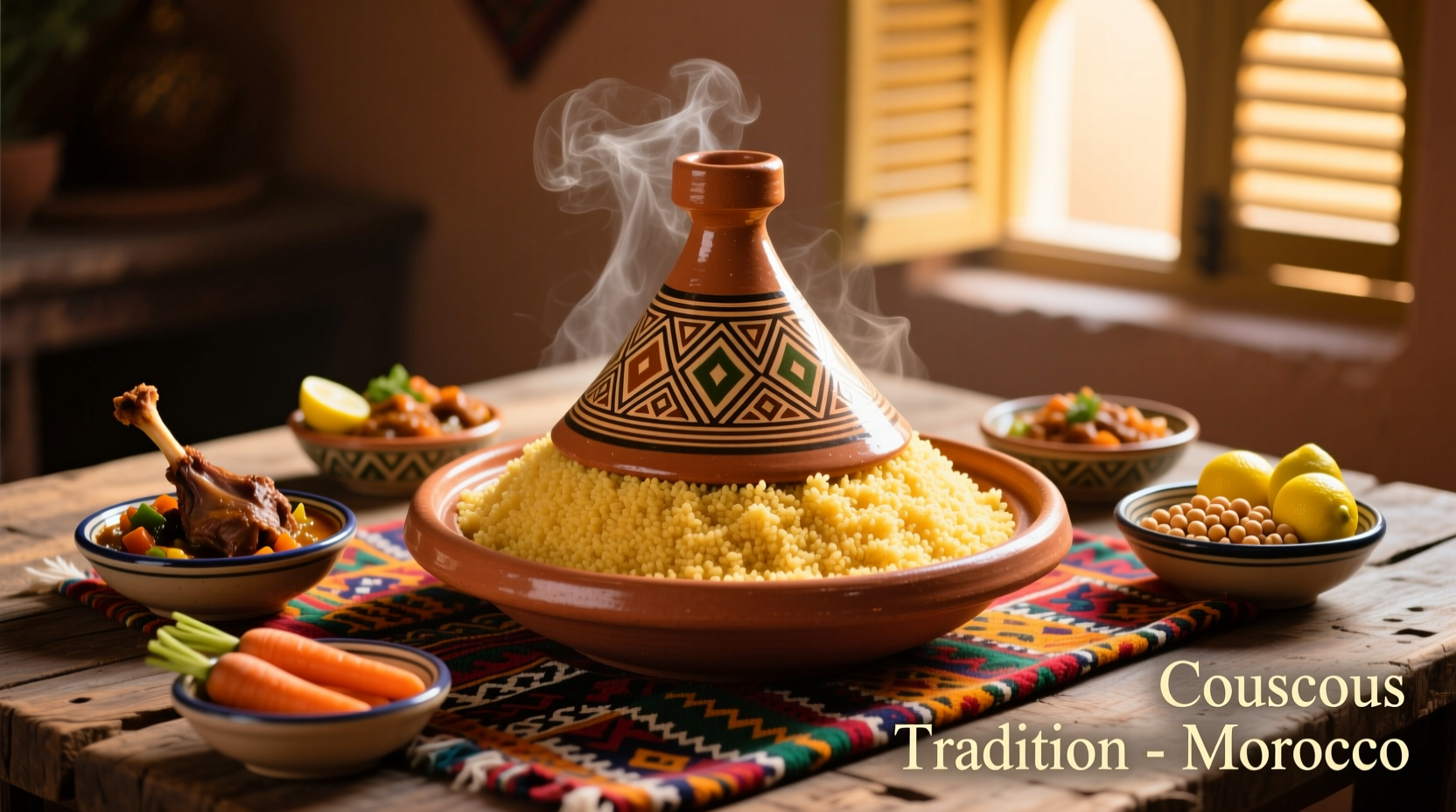 What Is Couscous? The Real Story Behind This North African Staple
Actually, the word “couscous” comes from the Berber seksu, meaning “rolled well.” You can almost hear the hand-rolling rhythm in the name. Try saying it slowly: kous-kous. Sounds like a happy dance, right?
A global passport
Today, couscous is a world traveler. In France, it’s a national Saturday night staple—you’ll find it with merguez sausages and spicy broth. In Israel, they make giant pearls called ptitim (sometimes called “Israeli couscous”). In Brazil, it shows up sweet with coconut milk. It’s the same base, adapted by every culture that falls in love with it.
And here’s the heartwarming part: in 2020, UNESCO recognized couscous as Intangible Cultural Heritage for Algeria, Mauritania, Morocco, and Tunisia. That means it’s officially a dish worth protecting, like a treasure. So when you buy a box, you’re supporting a tradition that’s older than most countries on the map.
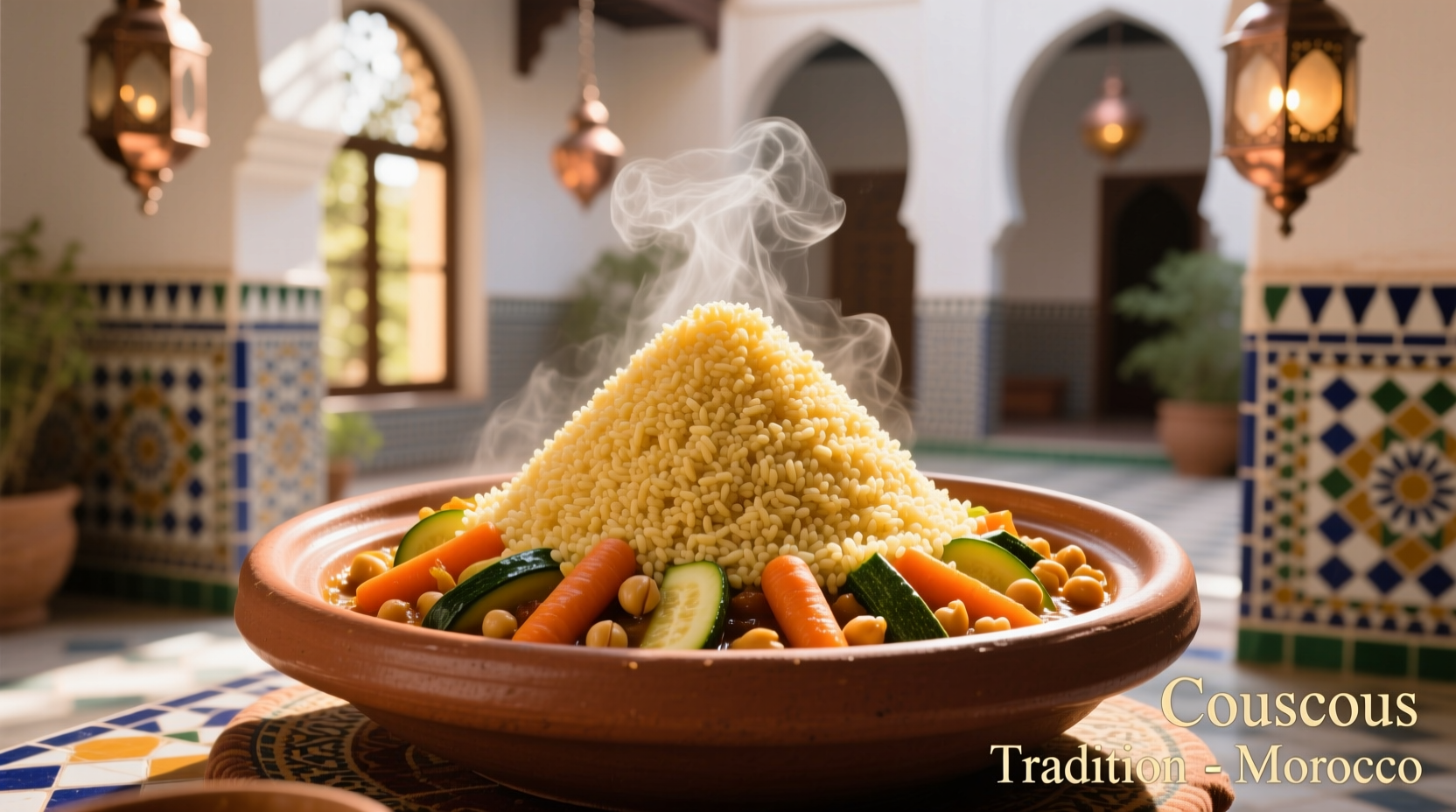 Couscous Explained: What It Is and How to Use It
Why you should care (yes, you)
You might think, “I just eat it because it’s easy.” Fair enough. But knowing its roots makes every bite taste better. That fluffy pile isn’t just carbs—it’s a bridge across time and oceans. It’s the meal a shepherd ate under the stars, and it’s your Tuesday lunch at your desk. Same food, different story.
Plus, it’s the ultimate unifier. You can throw in whatever you have—leftover chicken, a can of chickpeas, some raisins. Couscous never judges. It just says, “I’ll hold that flavor for you, friend.” That’s a generous ingredient.
Next time you make a bowl, give a little nod to the Berber women who perfected this craft. They didn’t have a food processor, but they had love and a steady hand. And now you have the same magic in ten minutes. Not bad for a little golden grain that traveled thousands of years to land on your spoon.
So, where does couscous originate? In a shared kitchen of humanity, with a big dollop of North African soul. Eat up, and enjoy being part of the story.
