Where Do I Put The Thermometer In A Chicken

Let’s be real for a second: roasting a chicken is one of life’s great pleasures. That golden, crispy skin, the juicy meat, the way your kitchen smells like a hug from a fancy...
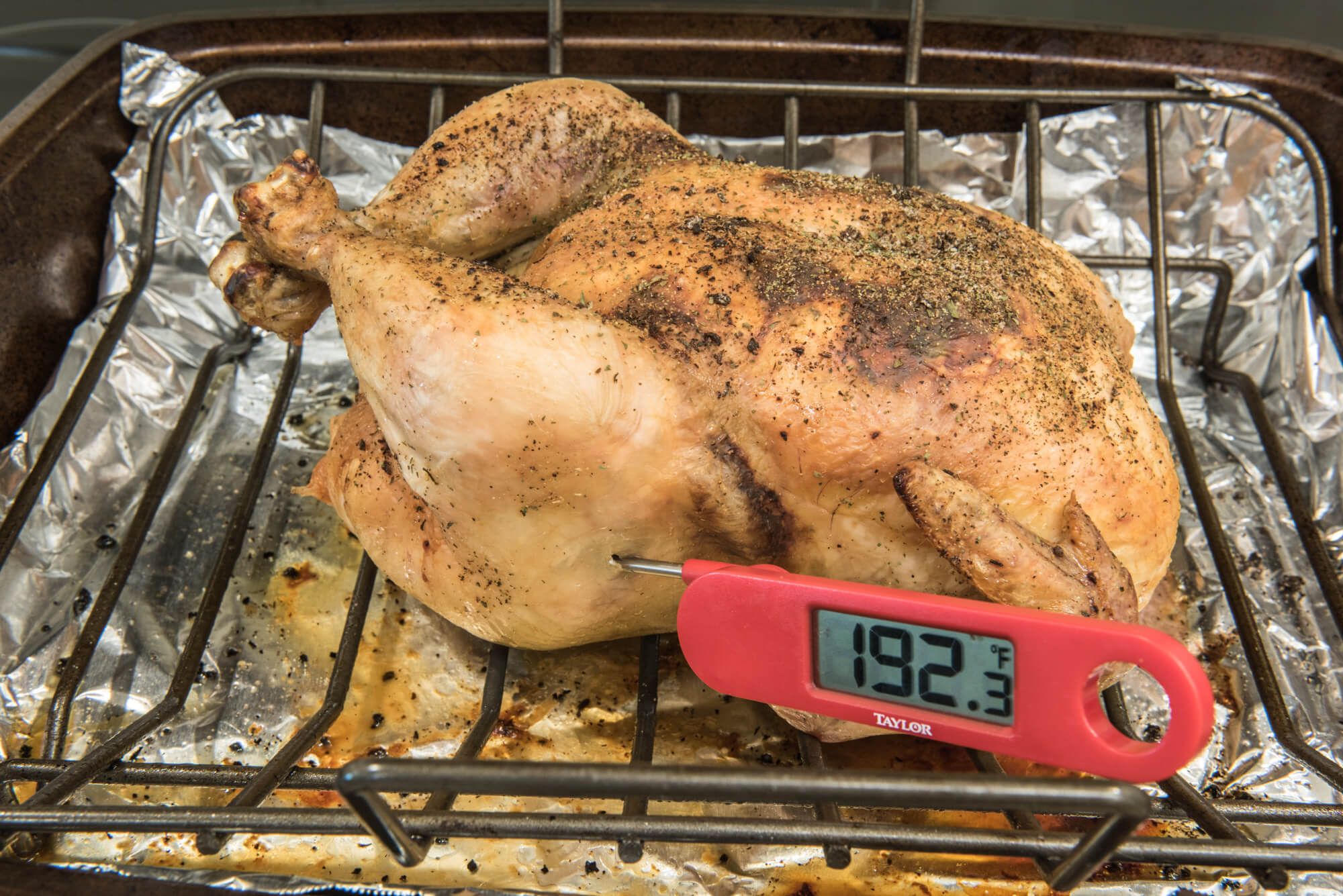
Let’s be real for a second: roasting a chicken is one of life’s great pleasures. That golden, crispy skin, the juicy meat, the way your kitchen smells like a hug from a fancy grandma... But then comes the moment of truth. You’re staring at this glorious bird, holding a thermometer, and suddenly you feel like you’re defusing a bomb. Where do I put the thing? Don’t worry, friend. I’ve got you. Let’s talk turkey—or, you know, chicken.
First, forget everything you’ve heard about poking the leg or guessing. The absolute best spot for your thermometer is the thickest part of the inner thigh, right where it meets the body. Why? Because the thigh takes the longest to cook, and if that’s safe, the rest of the bird is throwing a party. Imagine you’re aiming for the little pocket of meat between the drumstick and the breast—without hitting the bone. Bone is a liar. It conducts heat weirdly and will give you a false reading, so slide that probe in like you’re tucking a secret note into a book. Gently.
Now, some people will tell you to check the breast. And sure, you can. But the breast is the delicate drama queen of the chicken—it dries out if you look at it wrong. If you temp the breast, insert the probe horizontally from the side, into the thickest part, again avoiding the bone. You’re aiming for 165°F (74°C) for the breast, and 175-180°F for the thigh (the dark meat likes it a little toastier, and that’s okay—it’s not high-maintenance like the white meat).
Must Read
Here’s where the jokes come in: never, ever try to temp the wing. That’s like checking the temperature of a shoelace. It’s pointless. And please, for the love of gravy, don’t temp the cavity. That’s the void. The abyss. It will lie to you and tell you the chicken is done when it’s still raw in the back—like that friend who says they’re “fine” but are clearly not.
 Perfectly Cooked Chicken: Optimal Spots For Meat Thermometer Placement
Oh, and a quick pro tip: let the chicken rest for at least 10-15 minutes after it comes out of the oven. The internal temperature will climb another 5-10 degrees (carryover cooking), so pull it out when the thigh reads about 165°F if you’re aiming for perfection. Yes, this is advanced chicken math. You’re welcome.
But wait—I can hear you asking: What kind of thermometer should I use? A digital instant-read is your best friend. An analog dial thermometer? Fine, but you have to let it sit for 20 seconds, and nobody has that kind of patience when the kitchen smells like heaven. Instant read, people. It’s the difference between a confident roast and a sad guessing game.
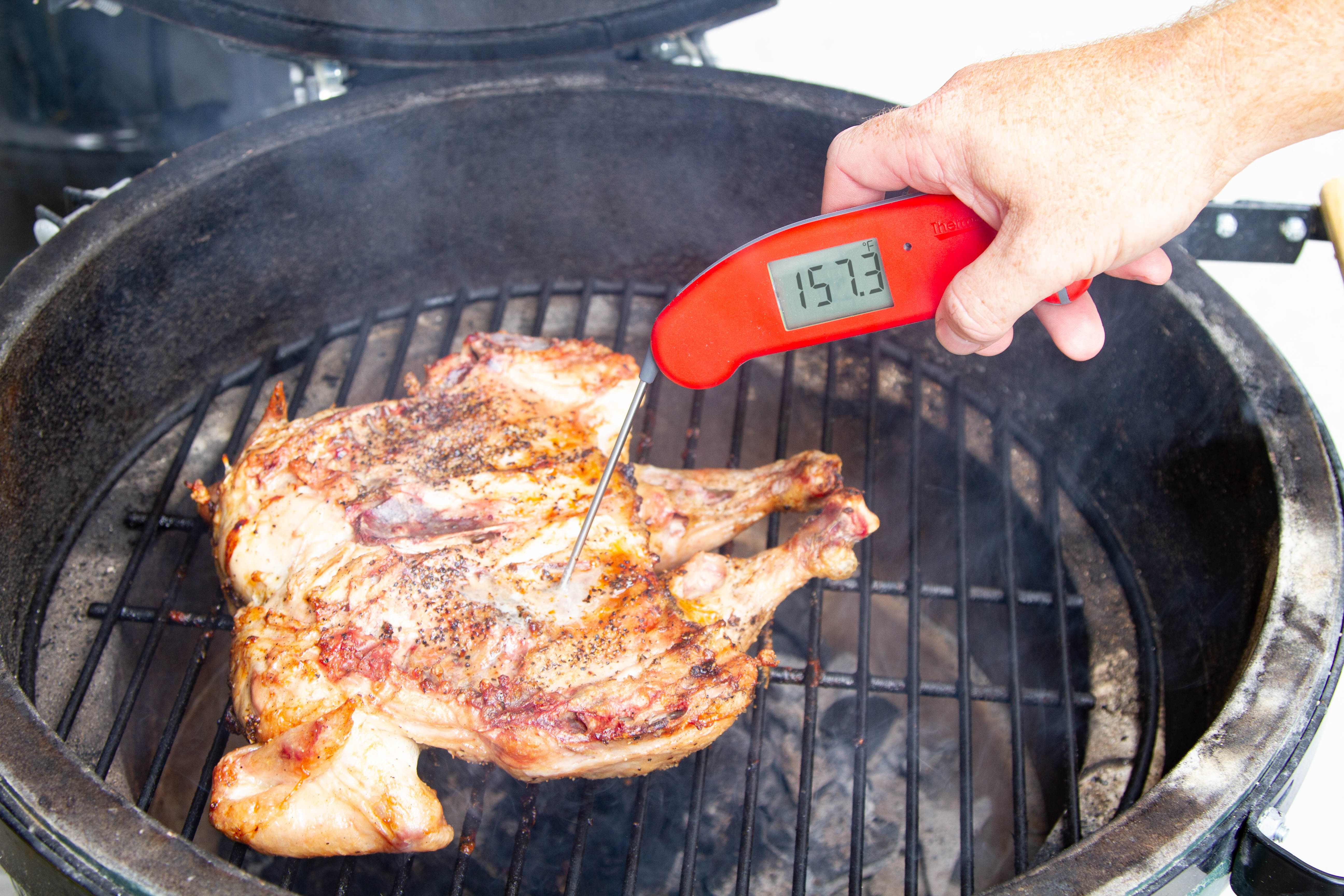 Where To Put The Thermometer In A Whole Chicken | Detroit Chinatown
And if you’re roasting a whole bird with the giblets still inside? Remove them first. I know, I know, it’s gross. But you can’t temp a bag of gizzards. That’s a different kind of chaos.
So, to sum up: thigh, away from bone, go for 165-175°F. Don’t stress about the wing. Don’t temp the void. And for the love of all that is crispy, let it rest. Now go forth, you magnificent chicken-roasting genius. The golden skin awaits. And remember: even if you mess up the thermometer placement, you’ll still have a story to tell over dinner—and probably some pretty good chicken anyway. You’ve got this.
