Where Do House Centipedes Come From

There is a strange, almost reluctant appreciation that can develop for the house centipede. For many of us, the first encounter is a shock—a creature with fifteen pairs of imp...
:max_bytes(150000):strip_icc()/GettyImages-1461287290-3b837ff53e034d1aa28cf299a2c0d9c9.jpg)
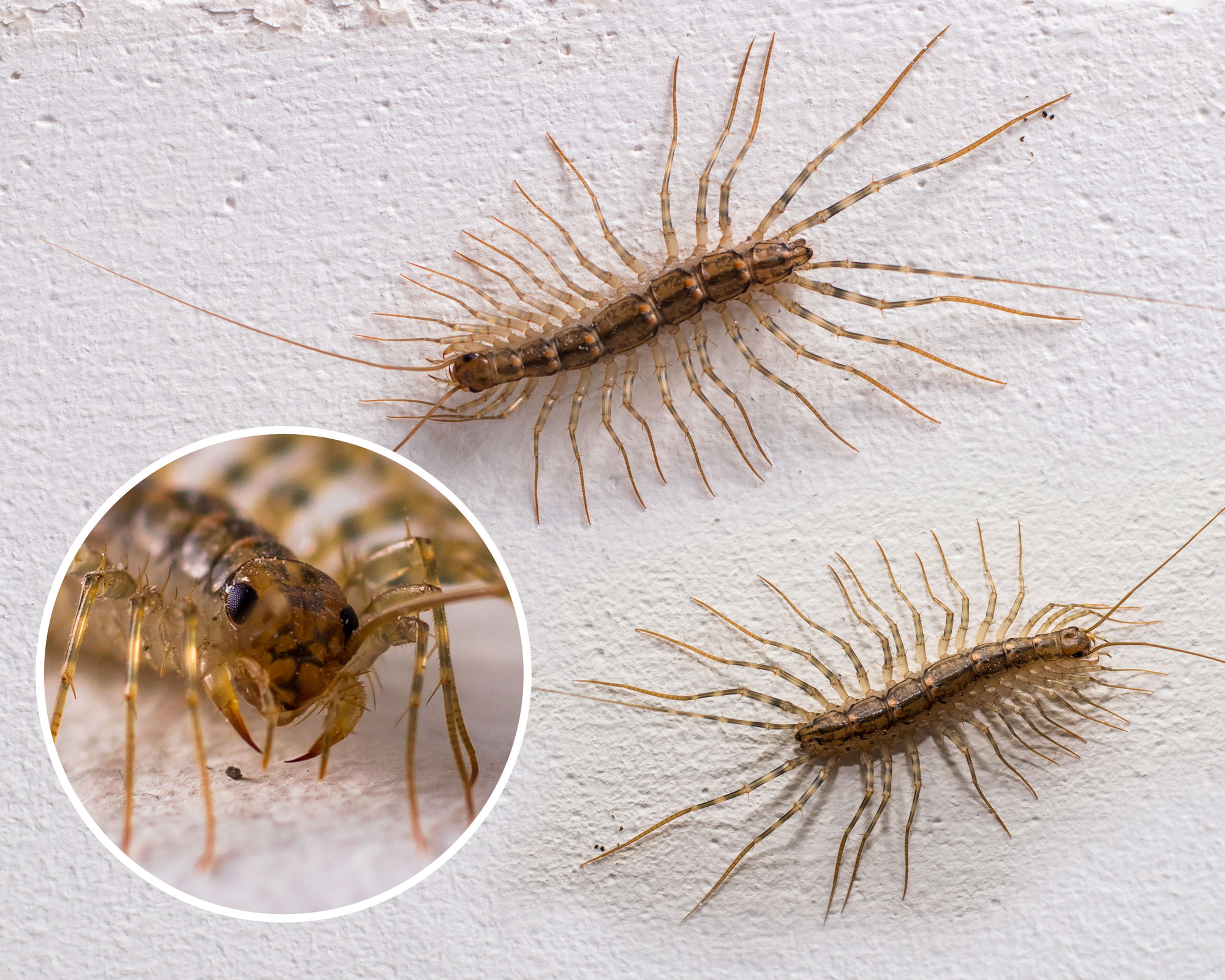
There is a strange, almost reluctant appreciation that can develop for the house centipede. For many of us, the first encounter is a shock—a creature with fifteen pairs of impossibly long, delicate legs undulating across a bathroom floor at night. Yet, for those who learn to see past its alien appearance, this arthropod is a silent, tireless ally in the home. Its key purpose is that of a voracious predator, and its primary benefit is offering a completely natural, chemical-free form of pest control that enhances the hygiene and comfort of everyday life.
To understand where they come from, we must first understand their ancient lineage. House centipedes (Scutigera coleoptrata) are not native to human dwellings. They originated in the Mediterranean region, a warm climate with plenty of damp crevices and abundant insect prey. Over centuries, they hitched a ride with human trade and travel, spreading across the globe. They thrive in the humid, dark environments that our homes simulate—basements, crawl spaces, bathrooms, and potted plant soil. They are not “invaders” in the malicious sense; they are simply following their food source: spiders, silverfish, cockroaches, and even bed bugs.
Consider a typical suburban home. A leaky pipe under the kitchen sink creates a tiny, humid microclimate. This invites silverfish, which feed on paper and glue. When a house centipede emerges from a crack in the baseboard, it is not there to disrupt your life; it is there to hunt that silverfish. In this scenario, the centipede acts as a silent guardian. Without it, you might eventually need to use harsh pesticides or sticky traps. The presence of house centipedes is often a sign of a broader pest issue, not the problem itself—they are the solution in a package we often misjudge.
Must Read
The benefits extend far beyond simple pest reduction. Unlike many insects, house centipedes are nocturnal and incredibly shy. They spend their entire lives avoiding light and human contact. They do not damage wood, fabric, or food stores. Their venom is potent enough to paralyze their prey but is rarely dangerous to humans—comparable to a mild bee sting for most. By maintaining a small population of these creatures in your home, you are essentially enlisting a free, self-sustaining extermination crew that works 24/7, reducing your reliance on commercial bug sprays that can be harmful to pets and children.
To explore this relationship on your own, you can start by changing your perspective. If you see one, do not crush it. Instead, observe its path. It is likely heading toward a crack or a dark corner. The next simple tip is to reduce their entry points not by sealing them out completely, but by sealing dampness. Fix leaky pipes, use a dehumidifier in the basement, and clear out cluttered cardboard boxes. A drier, less cluttered home is less hospitable to the centipedes’ prey, and the centipedes will naturally move on.
 How to keep centipedes out of your house: 4 simple methods | Homes and
A fascinating experiment is to take a jar test in early autumn. Place a small, moist piece of paper towel in a mason jar in a dark corner of your basement for two nights. You may find a centipede has taken refuge there. Carefully release it into an outdoor flowerbed or a garage. Alternatively, you can create a “refuge zone” in a rarely used part of the basement—a small pile of stone or old, dry wood—where centipedes can hunt without ever venturing into your living spaces. This simple act of coexistence teaches you the rhythms of your home’s ecosystem.
Ultimately, the house centipede’s origin story is a lesson in unintended consequences. It came from the Mediterranean, but it thrives because we created the perfect insect hotel. The best way to manage them is not to wage war on the centipede, but to address its supporting cast: the moisture and the other insects. By sealing cracks after eliminating those sources, you can reduce their numbers without losing their benefits. Next time you see that flickering, many-legged shadow, pause. It is not a monster; it is the natural world’s most efficient pest control, living in your walls, doing its job in the dark.
:max_bytes(150000):strip_icc()/GettyImages-1461287290-3b837ff53e034d1aa28cf299a2c0d9c9.jpg&description=Where+Do+House+Centipedes+Come+From)