Where Do Courgettes Come From

Okay, let’s settle a dinner-table debate and get to the bottom of a question that’s probably kept you up at night (or at least during a particularly slow episode of your favou...
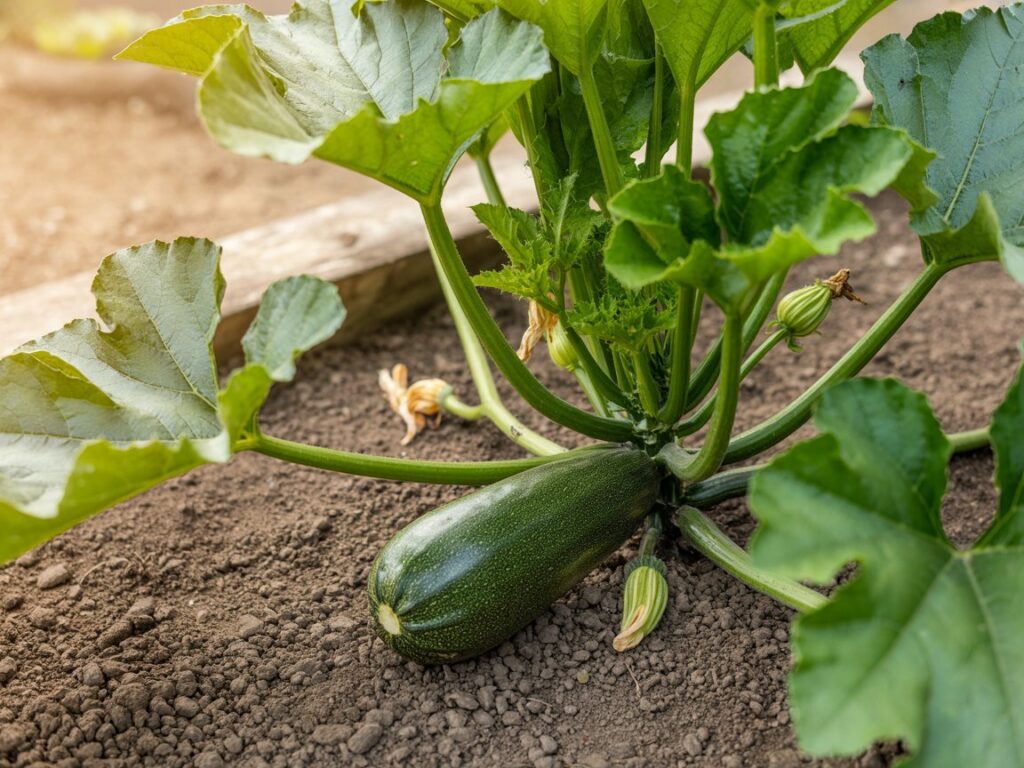
Okay, let’s settle a dinner-table debate and get to the bottom of a question that’s probably kept you up at night (or at least during a particularly slow episode of your favourite cooking show): Where do courgettes actually come from? Not, like, the supermarket aisle. I mean their secret origin story—the one involving ancient patience, Italian sunshine, and a whole lot of botanical trickery.
First, a quick reality check. That humble green (or yellow, or stripey) vegetable you’ve been roasting, spiralizing, or secretly hiding in your friend’s brownies? It’s a summer squash—a member of the Cucurbita pepo family. Think of it as the cool, elongated cousin of the pumpkin and the butternut squash. But here’s the plot twist: courgettes were basically invented by people. They didn't just pop up in a wild field one day, winking at us.
Their true homeland? Central and South America, specifically Mexico and the surrounding regions, about 7,000 to 10,000 years ago. Indigenous peoples there domesticated wild squashes, selecting for non-bitter, firm-fleshed varieties. Those early squashes were more like hard-shelled gourds—great for storage, terrible for a quick stir-fry. Then came the real magic. Spanish and Portuguese explorers, bless their adventurous appetites, scooped up those seeds and sailed them back to Europe in the 16th century. And it’s there, under the gentle Mediterranean sun of Italy, that the courgette as we know it was born.
Must Read
The Italians—brilliant, beautiful, pasta-loving people—looked at this imported American squash and said, “Hey, why wait for it to get big and hard? Let’s eat it when it’s tiny, tender, and tastes like summer.” So they bred plants specifically to be harvested young, at just 6 to 8 inches long. They even gave it a new name: zucchina (the diminutive of zucca, meaning "squash"). The French, being French, called it courgette (from courge, meaning "gourd," plus the diminutive -ette). And that’s the name that travelled to the UK. Yes, that’s right: zucchini and courgette are the exact same thing. The only difference is an ocean, a little je ne sais quoi, and which side of the Atlantic you’re standing on. So if you ever hear someone smugly insisting they prefer “zucchini” to “courgette,” just nod, smile, and know they’re arguing about a word for a squash that was originally from Mexico and raised by Italians.
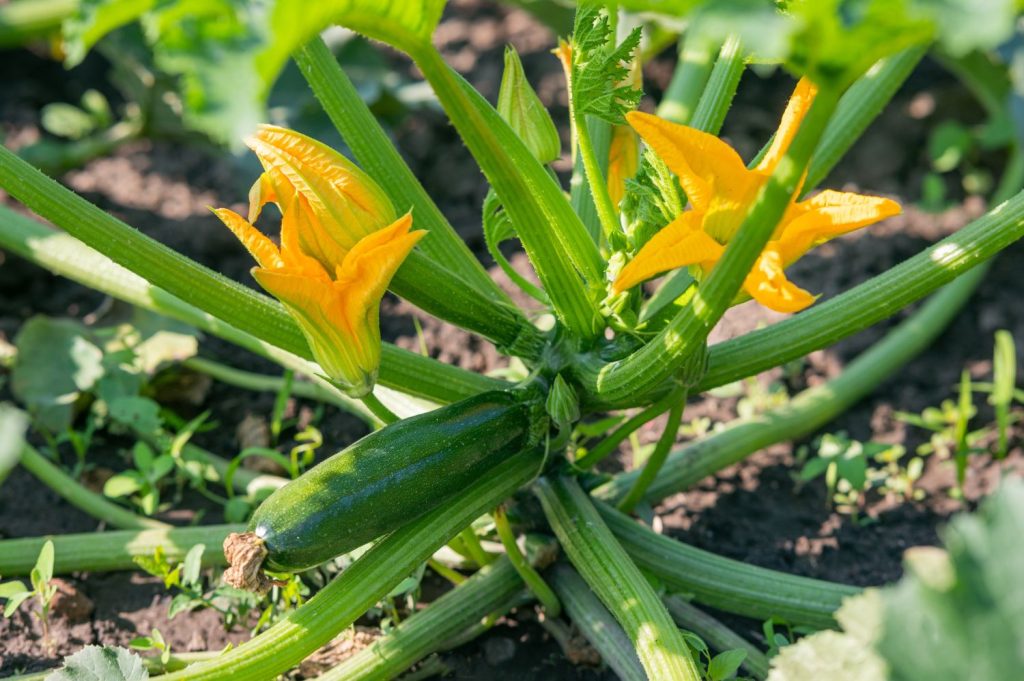 Courgettes: profile, origin & characteristics - Plantura
Now, the truly absurd part: Courgettes are technically a fruit. Botanically speaking, they develop from the flower of the plant and contain seeds, making them a type of berry (a pepo, to be precise, but don’t worry, there won’t be a test). So every time you cook a courgette, you’re cooking a fruit that’s pretending to be a vegetable. It’s the vegetable world’s ultimate undercover agent. And they grow with aggressive enthusiasm. One friend who grows them will inevitably leave bags of the oversized green torpedoes on your doorstep with a desperate note: “Please take these. The plant is gaining sentience.”
So next time you slice one for a salad or a stir-fry, give it a little wink. You’re eating a globe-trotting, time-traveling, botany-defying marvel. A fruit from America, raised in Italy, named in France, and now starring on your plate. It’s a tiny, delicious lesson in how our world is more connected than a farmers’ market table. And remember: you’re not just eating a vegetable. You’re eating a story of human ingenuity, a dash of botanical trickery, and a whole lot of love for eating things young and tender. Life, like a good courgette, is best savoured when it’s fresh, a little ridiculous, and always, always worth celebrating.

