Where Did The Meat Pie Originate

Let’s be honest: a meat pie is basically a hug you can hold in your hand. You’ve got that flaky, buttery crust on the outside, and inside? A warm, savory, often glorious mess...
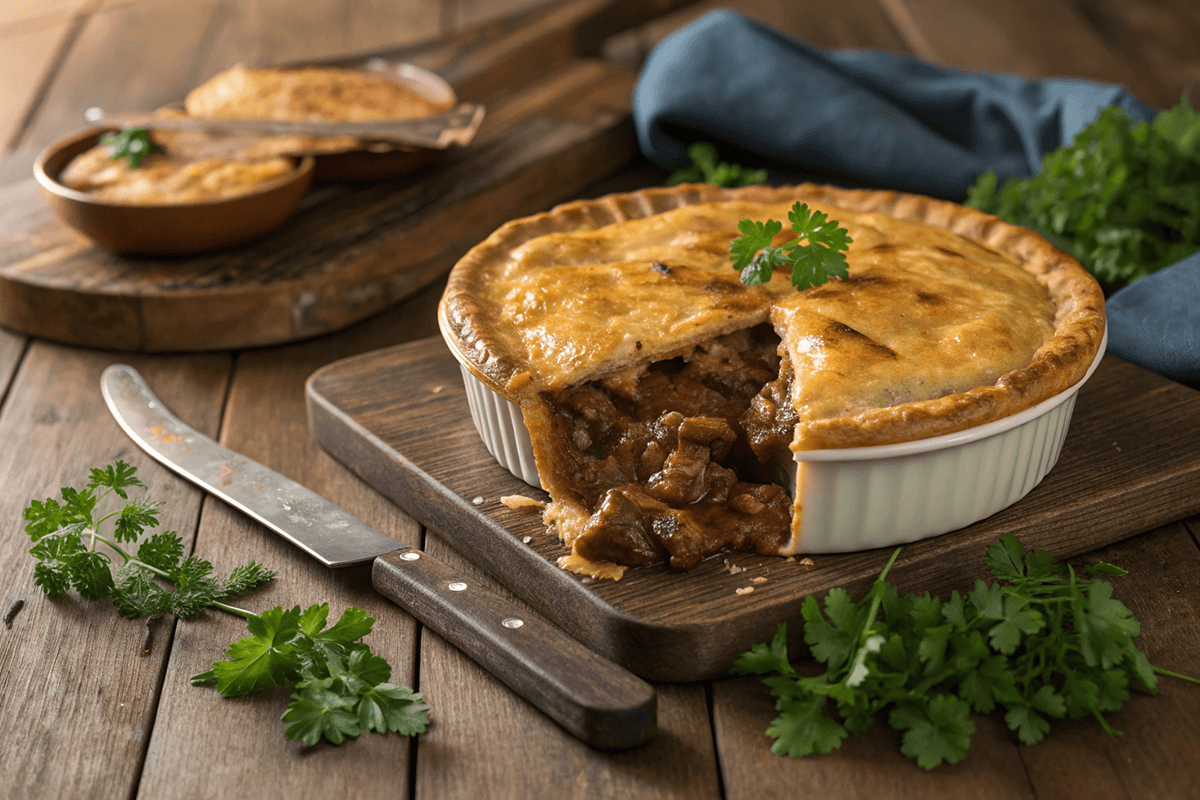
Let’s be honest: a meat pie is basically a hug you can hold in your hand. You’ve got that flaky, buttery crust on the outside, and inside? A warm, savory, often glorious mess of seasoned meat and gravy. It’s the ultimate comfort food, whether you’re grabbing one from a gas station in Australia or baking one from scratch on a rainy Sunday. But have you ever stopped mid-bite and wondered, where did this glorious portable meal actually come from?
The ancient trail of crumbs
Believe it or not, the meat pie isn’t a modern invention. It didn’t pop up with the first fast-food drive-thru. The earliest ancestors of the pie can be traced all the way back to ancient civilizations like the Egyptians, Greeks, and Romans. They weren't making the flaky, buttery pastries we know today, though.
Back then, they basically created a hard, thick crust—almost like a clay pot made of flour and oil. The crazy part? That crust wasn't meant to be eaten. It was just a container, a reusable vessel to hold and cook the meat filling. Imagine getting a pot pie where the crust is basically Tupperware. Rude, right?
Must Read
So, the “pie” was more about function than flavor. The wealthy would get the tender meat, while the poor got the soggy, gravy-soaked crusts. It’s a little backwards compared to how we fight over the crust today, isn’t it?
The big medieval upgrade
Fast forward a few thousand years to Medieval Europe. This is where things get interesting. The pastry itself started to evolve into something you’d actually want to eat. Cooks began adding butter, lard, and eggs to the dough, creating a richer, flakier treat.
And here’s a funky detail: these medieval pies were often called “coffins.” Creepy, I know. But the tall, sturdy crusts were literally designed like little boxes to keep the meat inside preserved for weeks. Kings and knights would take these “coffin pies” on long journeys or into battle.
It was like the world’s first protein bar, but way more delicious. Think of it as the original, pre-modern MRE—just without the foil packet. Why did they bother? Because the pie crust was the ultimate food hack for a world without refrigerators.
Why the Romans and Greeks matter
Let’s not skip over the Roman influence too quickly, because they were obsessed with stuffing things. Roman cookbooks from the 1st century AD show recipes for “patina” and other baked dishes that combined meat, spices, and a crust. They were the first to really experiment with fillings, adding things like pine nuts, raisins, and honey to their meats.
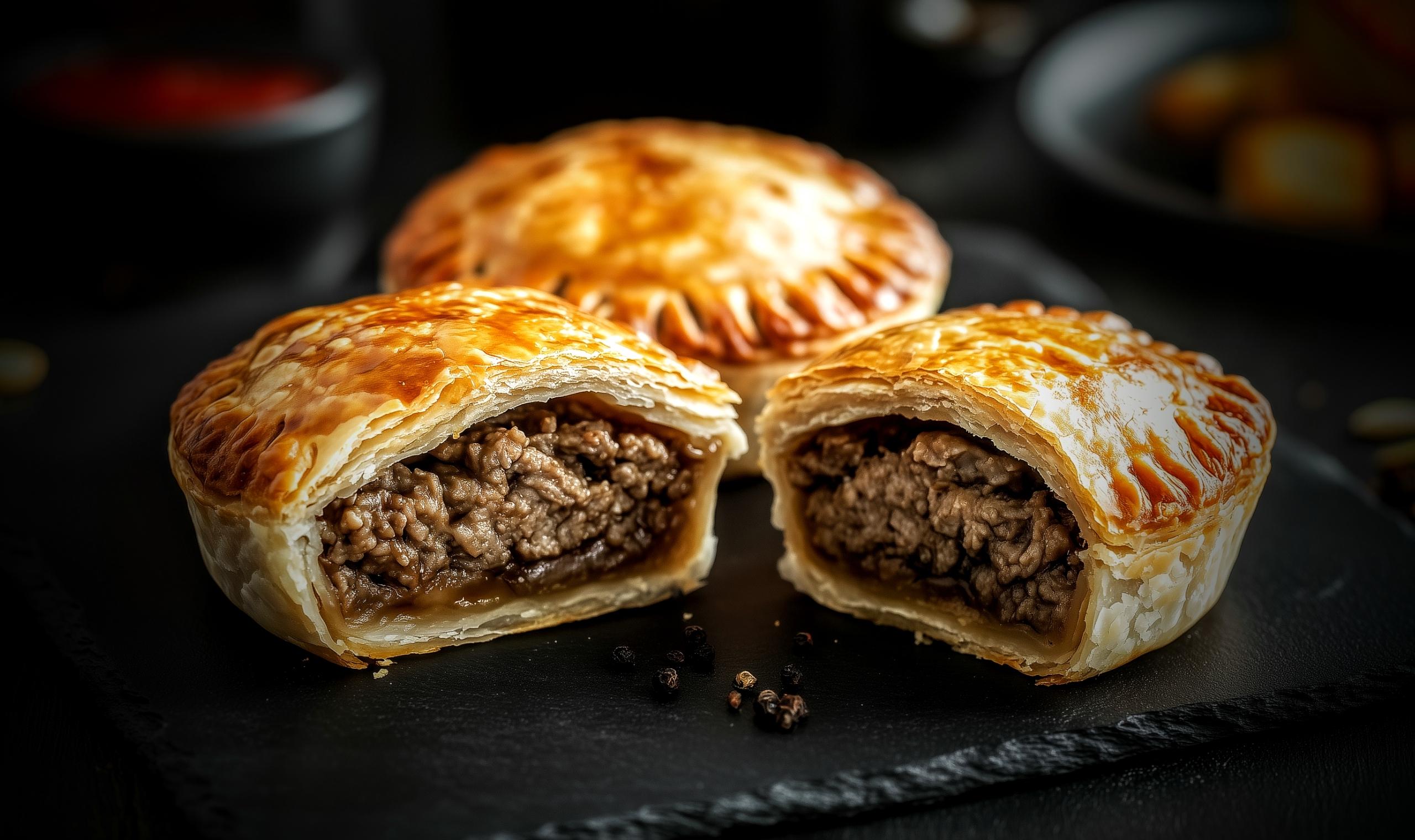 The Iconic Australian Meat Pie: A Delicious Journey - The Pie Journal
Meanwhile, the Greeks had “artocreas,” which was literally meat baked inside a bread shell. It’s the same basic concept we still crave today. You see, every culture was independently thinking, “Hey, what if I wrapped this meat in dough and cooked it?” It’s like a universal food instinct.
So, while we can’t point to one single person who invented the meat pie, it’s cool to think of it as a global accident that everyone had at roughly the same time.
The real pie explosion: Britain gets involved
If you want to know where the modern meat pie as we know it came from, you have to look at the British Isles. The English, Scots, and Irish took the concept and ran with it. By the 14th century, they were making “pyes” filled with everything from venison to songbirds.
What’s wild is that the crust was still often called a “coffin,” but now it was actually tasty. Cooks would put a living bird inside the pie for a dramatic reveal at feasts. Imagine cutting into your chicken pot pie and a live pigeon flies out. That’s not comfort food; that’s a surprise party!
Eventually, the British took this portable meal to the rest of the world through colonization. That’s why you now find empanadas in Spain, samosas in India, and tourtière in Canada. The meat pie is the true world traveler.
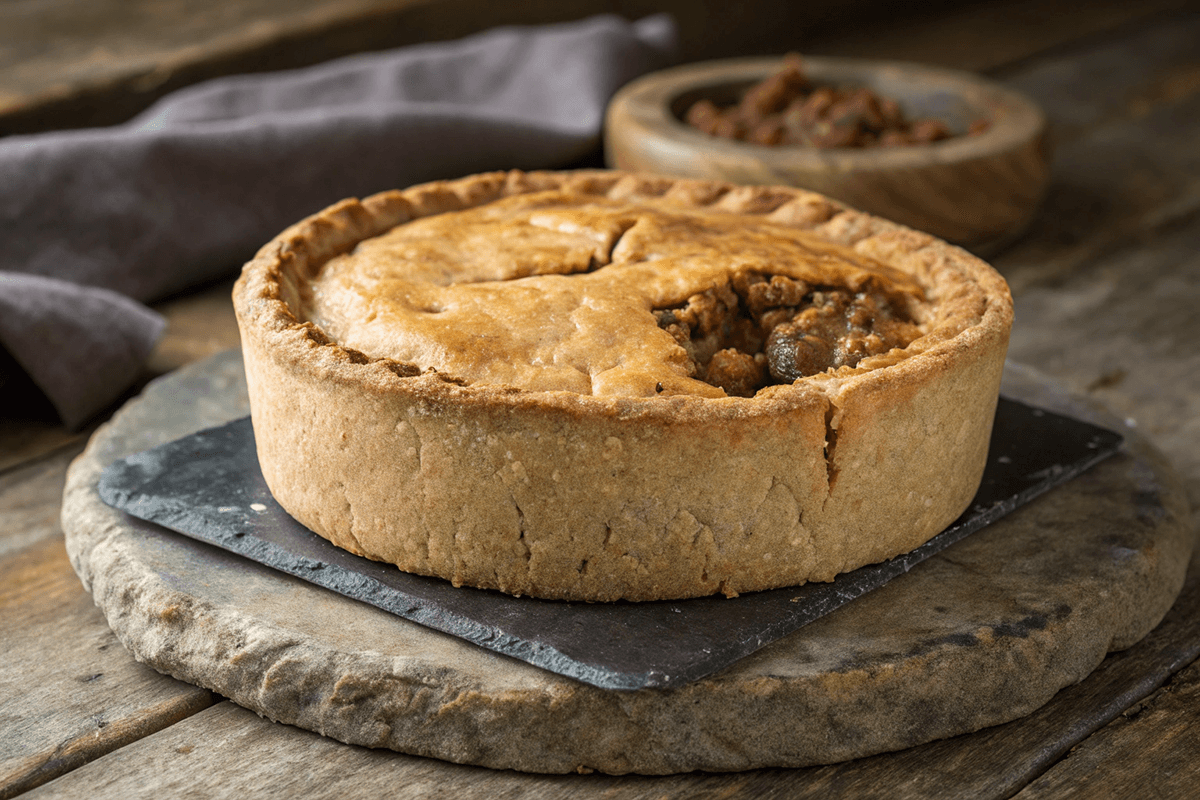 Where Did Meat and Potato Pies Originate? 5 Delicious Facts!
Where did the Aussie pie come from?
Now, you might be thinking about that delicious, flaky Australian meat pie you see at cricket matches. That specific version didn’t arrive until the 18th and 19th centuries. British convicts and settlers brought their recipes down under, but the climate and ingredients forced tweaks.
They couldn’t get the same gamey meats or high-quality butter, so they adapted. The Australian meat pie became smaller, cheaper, and more dense—perfect for a working-class lunch. Today, it’s so iconic that you’ll find “pie floaters” (a pie floating in a bowl of pea soup).
It’s a funny evolution, isn’t it? From a Roman’s hard, inedible shell to a tender Aussie pie that you douse in ketchup. We’ve come a long way, baby.
So, why is this all so cool?
Here’s the bottom line: the meat pie is proof that humans are inherently resourceful. We took the simple idea of wrapping leftovers in dough and turned it into a global cultural phenomenon. Every single country put its own spin on it. The spiced lamb in a Moroccan pastilla, the minced pork in a British pork pie, the curried beef in a South African samoosa—they’re all cousins.
It’s also a story of connection. When you eat a hot meat pie, you’re sharing a tradition that a peasant in Medieval England, a soldier in ancient Greece, and a modern truck driver in Australia all enjoyed. Not many foods can claim that kind of timeline.
So next time you bite into one, don’t just taste the gravy. Appreciate the journey. It traveled across centuries and continents to land in your hands. Pretty cool for a snack, huh?
