Where Did Spaghetti And Meatballs Originate

Let’s be honest: there are few things more comforting than a big plate of spaghetti and meatballs. You know the scene—twirling the pasta around your fork, cutting into a tende...

Let’s be honest: there are few things more comforting than a big plate of spaghetti and meatballs. You know the scene—twirling the pasta around your fork, cutting into a tender meatball, that rich tomato sauce staining the corners of your smile. It feels like the ultimate Italian hug, right? Well, hold your garlic bread, because the story of this beloved dish is a little more American than you might think.
The Italian Grandmother Myth
If you picture a nonna in a sun-drenched kitchen in Naples tossing spaghetti and meatballs together, you are not alone. So many of us have that romantic image lodged in our brains. The truth? In Italy, you rarely find a dish labeled “spaghetti and meatballs” on a menu. Italian meatballs, or polpette, are usually eaten on their own, without pasta, or in a light broth.
Spaghetti in Italy is a first course, a simple affair with olive oil or a light marinara. A giant pile of pasta swimming in sauce with hefty meatballs? That’s a hearty, American-style innovation. It’s a little like expecting a Texan to eat a British “chip butty” for Sunday roast—both are delicious, but they come from vastly different culinary families.
Must Read
The Real Melting Pot: Immigrant Kitchens
So, where did this magical combo actually get its start? The answer lies in the early 1900s, in the cramped kitchens of Italian-American immigrants in cities like New York. These families were working hard, often with limited budgets. A little bit of meat (stretched with breadcrumbs and eggs) went a lot further when served over cheap, filling spaghetti.
It was a meal of survival and ingenuity, not tradition. Think about your own family’s “pantry surprise” dinner—the one where you throw leftover chicken into ramen because that’s what you have. That’s the same spirit. Spaghetti and meatballs was a resourceful creation born from the need to feed a crowd on a few pennies.
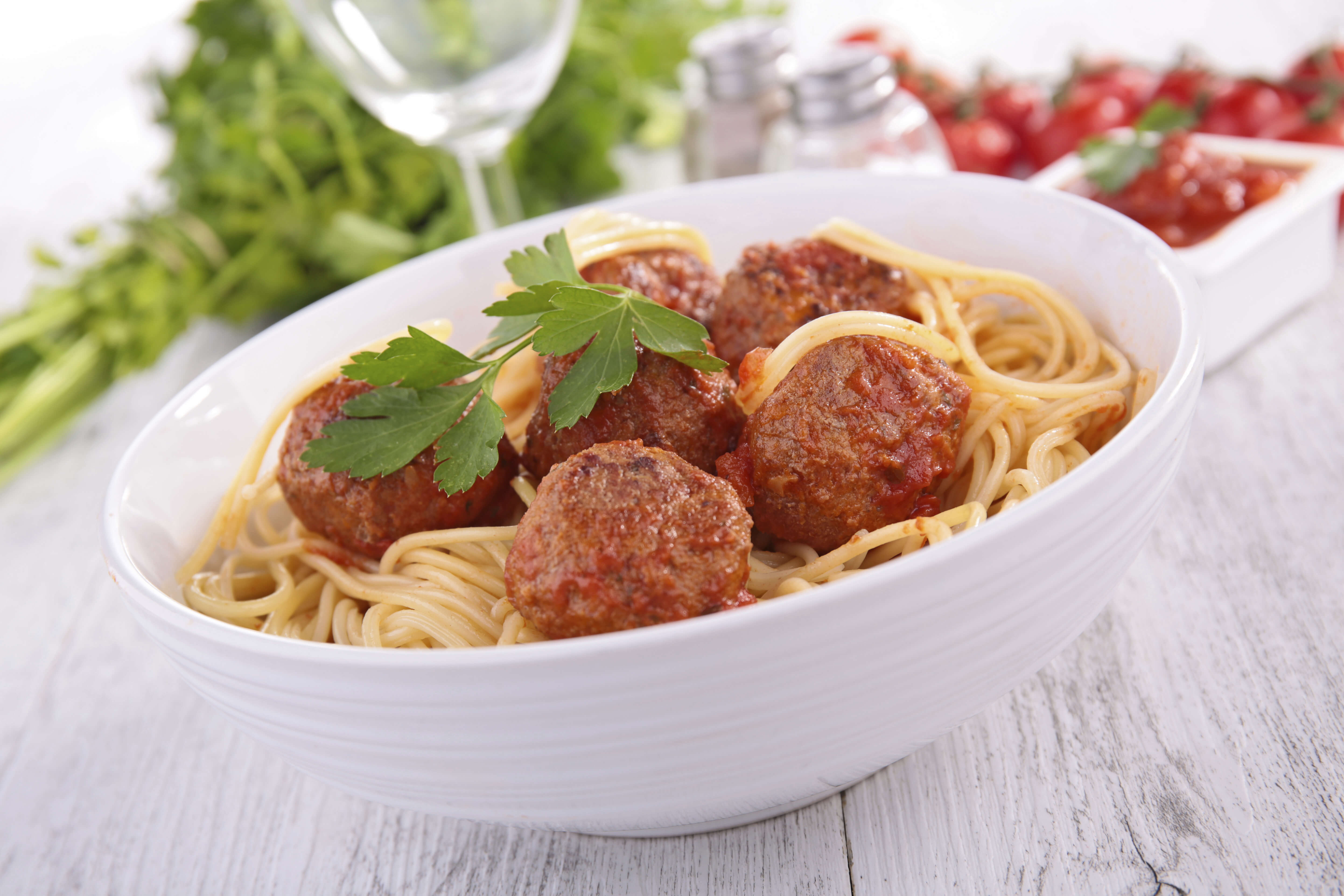 A History Of Spaghetti And Meatballs - Escoffier Online
Why It Hit the Big Time
Once this dish hit the American dining scene, it exploded. Why? Because it’s almost impossible to dislike. It’s the culinary equivalent of a cozy blanket on a rainy day. Restaurants started serving it because it was cheap to make, easy to love, and reminded people of Sunday dinners at grandma’s house—even if that grandma was from Brooklyn, not Bologna.
By the mid-20th century, canned versions and frozen dinners cemented its place in American culture. You couldn’t swing a ladle in a diner without hitting a plate of spaghetti and meatballs. It became our collective comfort food, a dish that says “I care about you” without needing fancy words.
A Little Story, a Little Lesson
I remember my first “real” spaghetti and meatball dinner at a friend’s house. Her dad was a first-generation Italian-American, and he made the sauce for six hours. I asked if his Nonna had taught him. He laughed and said, “Nonna taught me how to stretch a pound of beef into a meal for nine children by putting it over pasta.” That moment clicked for me.
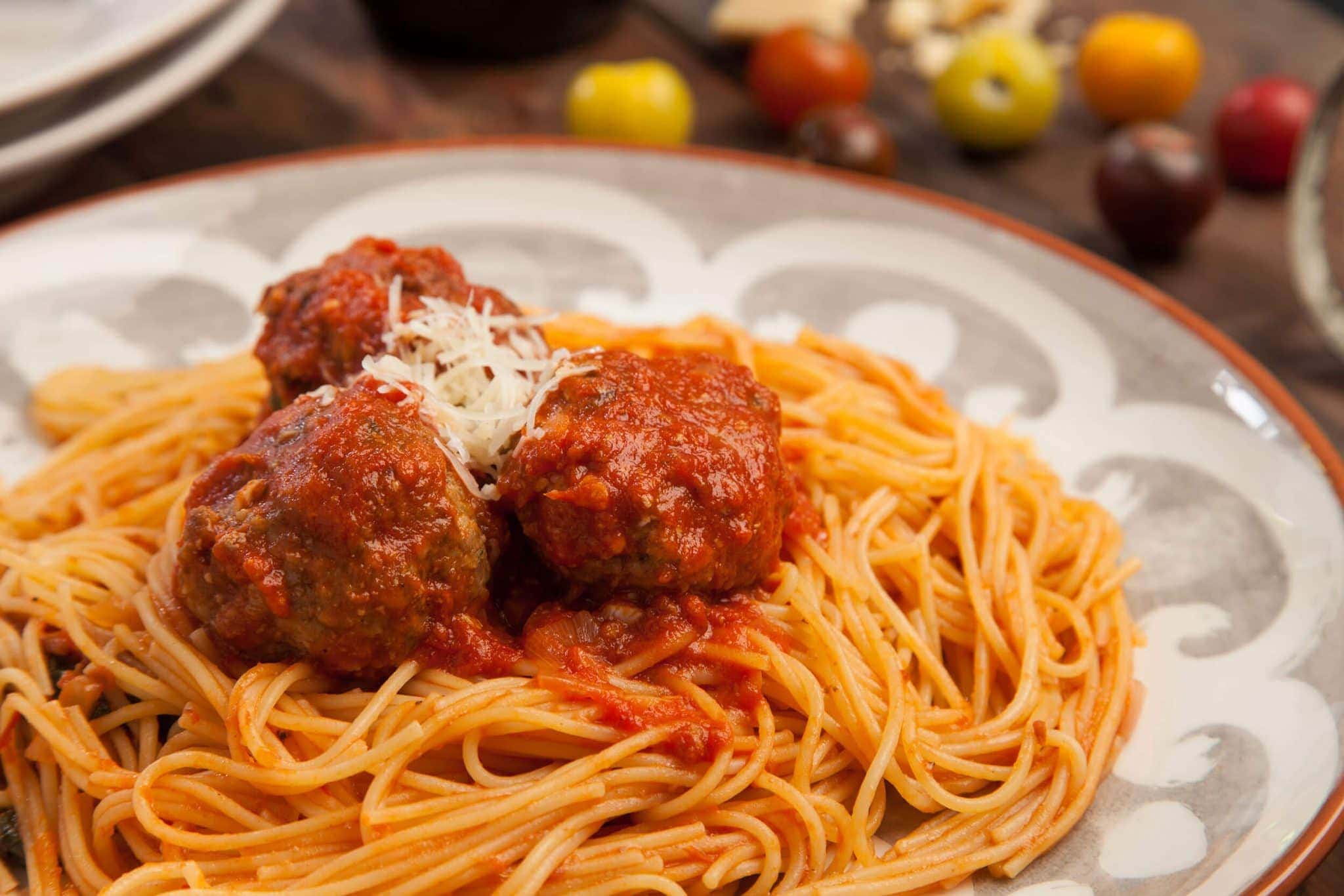 Origin of Spaghetti: How Well Do You Know Your Pasta?
That’s why you should care. This dish isn't about esoteric Italian purity. It’s about the beautiful, messy story of immigrants adapting and creating something new. It’s about making the best with what you’ve got, and turning a simple plate of food into a symbol of love and belonging.
What This Means for Your Dinner Table
Next time you make spaghetti and meatballs, savor the contradiction on your plate. You are eating a dish that is both Italian and American, old and new, fancy and humble. It’s a little like your favorite pair of jeans—perfectly worn in, comfortable, and totally yours, even if it started life as something else.
So, no, you won’t find this exact plate in a Roman trattoria. But you know what you will find? Warmth, flavor, and a story that connects you to millions of other people who just wanted a good, hearty meal. And honestly, that’s a tradition worth celebrating. Mangia!
