Where Did Chips And Salsa Originate

There are few pleasures in life as universally satisfying as the crunch of a crisp tortilla chip meeting the bright, zesty burst of fresh salsa. This simple duo has become a s...
There are few pleasures in life as universally satisfying as the crunch of a crisp tortilla chip meeting the bright, zesty burst of fresh salsa. This simple duo has become a staple of gatherings, from casual family dinners to lively football parties, offering a moment of pure, unadulterated enjoyment. Its key purpose is not just to satisfy hunger, but to create connection—a shared bowl that encourages conversation, laughter, and the ritual of dipping. For many, chips and salsa are the first signal that a meal will be relaxed and convivial, transforming an ordinary evening into something celebratory. The benefits for everyday life are clear: it requires no utensils, minimal prep, and can adapt to any palate, making it a stress-free solution for host and guest alike.
To understand where this beloved combination came from, we must first look to its two key components: the chip and the salsa. Salsa, which simply means "sauce" in Spanish, has ancient roots in Mesoamerica. The Aztecs, Olmecs, and Mayans were known to mix tomatoes, chili peppers, and ground squash seeds to accompany their meals. These early salsas were not the jarred, tomato-based condiments we often buy today; they were a fresh, chunky paste used to add flavor and moisture to staples like beans and maize. This was a foundational element of their cuisine, long before the first tortilla chip was ever fried.
The tortilla chip itself is a relatively modern invention, though its ancestor, the totopo, is ancient. Totopos were stale, day-old tortillas that were cut into pieces and fried or baked to preserve them. They were often served with a side of salsa, creating the original chip-and-dip experience. The commercial birth of the tortilla chip as we know it is often credited to Rebecca Webb Carranza in the late 1940s in Los Angeles. She owned a tortilla factory and, frustrated with misshapen tortillas that were being thrown away, she cut them into triangles, fried them until crispy, and sold them at local markets. The innovation was simple: instead of using stale tortillas, she used freshly cut, fried masa, creating a product specifically designed for dipping.
Must Read
The story of chips and salsa as a national phenomenon cannot be told without mentioning mass production and marketing. In the 1950s and 1960s, Mexican-American communities began popularizing these items in the broader U.S. market. Brands like El Paso’s “Tortilla King” and later “Fritos” capitalized on the trend, producing pre-made chips and bottled salsas. A pivotal moment was the introduction of the iconic red and yellow jar of Pace Picante Sauce in 1947, which cleverly marketed itself with the jingle “Get a jar of Pace, and a bag of chips.” This pairing moved chips and salsa from a regional specialty to a coast-to-coast snack, cementing its place in American culture as the default party offering.
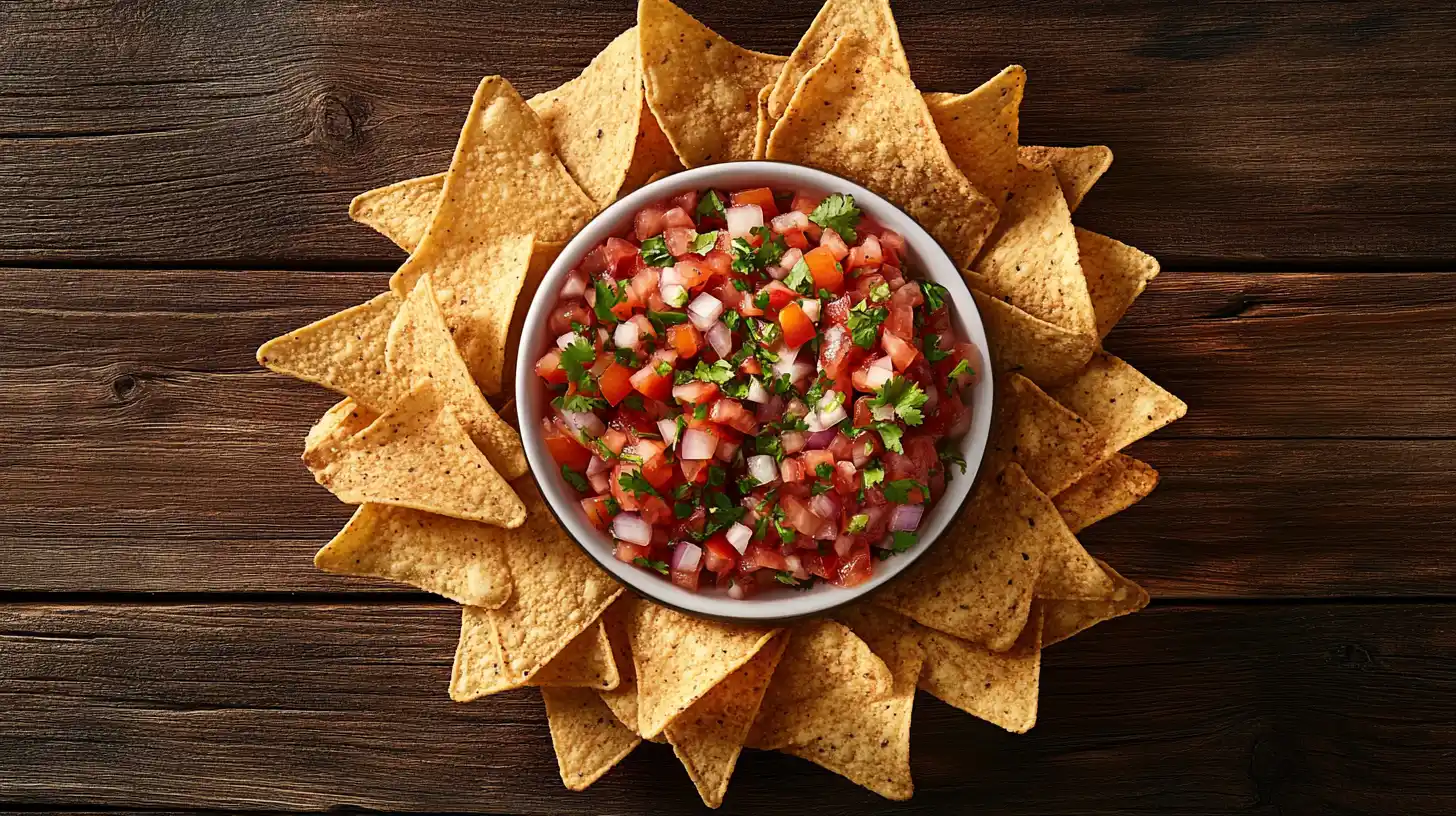
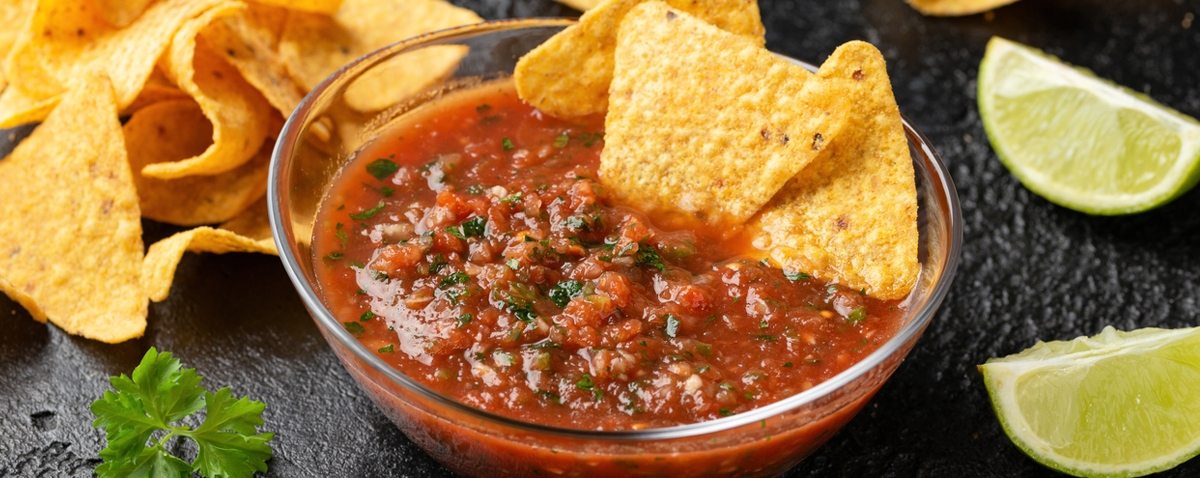
Today, chips and salsa are enjoyed far beyond their origins, but their heart remains in Mexico. The traditional version still honors its roots: thick, handmade tortilla chips (often twice-fried for extra crunch) served with a salsa that is bold, acidic, and fresh. Whether it’s a fiery salsa roja, a tangy salsa verde, or a creamy guacamole-like sauce, the relationship between the chip and the salsa is one of balance. The chip should be sturdy enough to scoop without breaking, and the salsa should be chunky enough to cling. This synergy is what makes the experience so satisfying—a perfect textural contrast between the crisp and the smooth, the salty and the bright.
 The Origins of Salsa: One of the Best Dips for Tortilla Chips
To explore this culinary tradition on your own, start with homemade chips. Buy fresh corn tortillas, cut them into quarters, and fry them in oil at 350°F until golden. Drain on paper towels and sprinkle with salt while hot—this yields a chip far superior to any bagged version. For a simple salsa, try the classic pico de gallo: dice equal parts ripe tomato, white onion, and cilantro, then add a minced jalapeño, a squeeze of lime, and a pinch of salt. Land, for an authentic touch, fire-roast your tomatoes or tomatillos before blending. Finally, always serve your salsa at room temperature; cold salsa from the fridge dulls the flavors. With these tips, you can recreate the age-old magic—a bowl of connection that celebrates a history of resourcefulness, spice, and shared joy.
In essence, chips and salsa are more than a snack; they are a cultural artifact that traveled from ancient Mexican kitchens to modern pantries worldwide. Their origin story is one of ingenuity—turning leftover tortillas into a crunchy vessel for a sauce that had been perfected over centuries. Whether you’re dipping at a backyard barbecue or a formal dinner, you’re partaking in a tradition that emphasizes freshness, simplicity, and community. So next time you reach for that chip, appreciate the journey from a humble Aztec table to your hand—and enjoy every bite.