Where Are Pistachios Grown In The United States

You know that little green nut that makes everything better? From ice cream to that bag of trail mix you grab on a road trip, the pistachio is a superstar. But have you ever w...
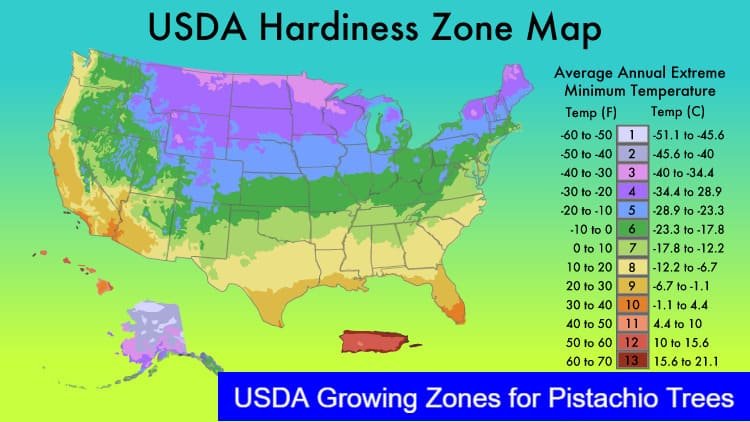
You know that little green nut that makes everything better? From ice cream to that bag of trail mix you grab on a road trip, the pistachio is a superstar. But have you ever wondered where these tasty little guys come from in the United States? Spoiler alert: it’s not from a magical nut tree in your backyard.
The answer is almost entirely California. More specifically, the hot, dry Central Valley. Picture this: endless rows of trees under a blazing sun, with the Sierra Nevada mountains watching from the distance. That’s where about 99% of America’s pistachios are born.
Why California? Blame the weather (in a good way)
Pistachios are picky. They need hot summers and cold winters to grow properly. California’s Central Valley has that perfect, sweaty balance. It’s like the Goldilocks of nut-growing regions—not too humid, not too rainy.
Must Read
If you’ve ever tried growing a houseplant in a dark bathroom, you know the struggle. Now imagine trying to grow a pistachio tree in a rainy place like Seattle. It would just shrug and refuse to make nuts. That’s why California is the pistachio king.
The first commercial pistachio trees were planted there back in the 1970s. Since then, the industry has exploded. Today, we’re talking about over 300,000 acres of pistachio trees. That’s roughly the size of Los Angeles, but way snackier.
But wait—there’s a little bit of Arizona and New Mexico
Okay, so California gets the glory, but a few other states sneak into the game. Arizona and New Mexico have small but proud pistachio farms. These areas have the same hot, dry climate, just with more cacti and less traffic.
If you’re ever driving through southern New Mexico, you might spot a roadside stand selling local pistachios. They’ll likely be pink with sea salt, and you’ll buy a bag. That bag will last about ten minutes in your car. Trust me.
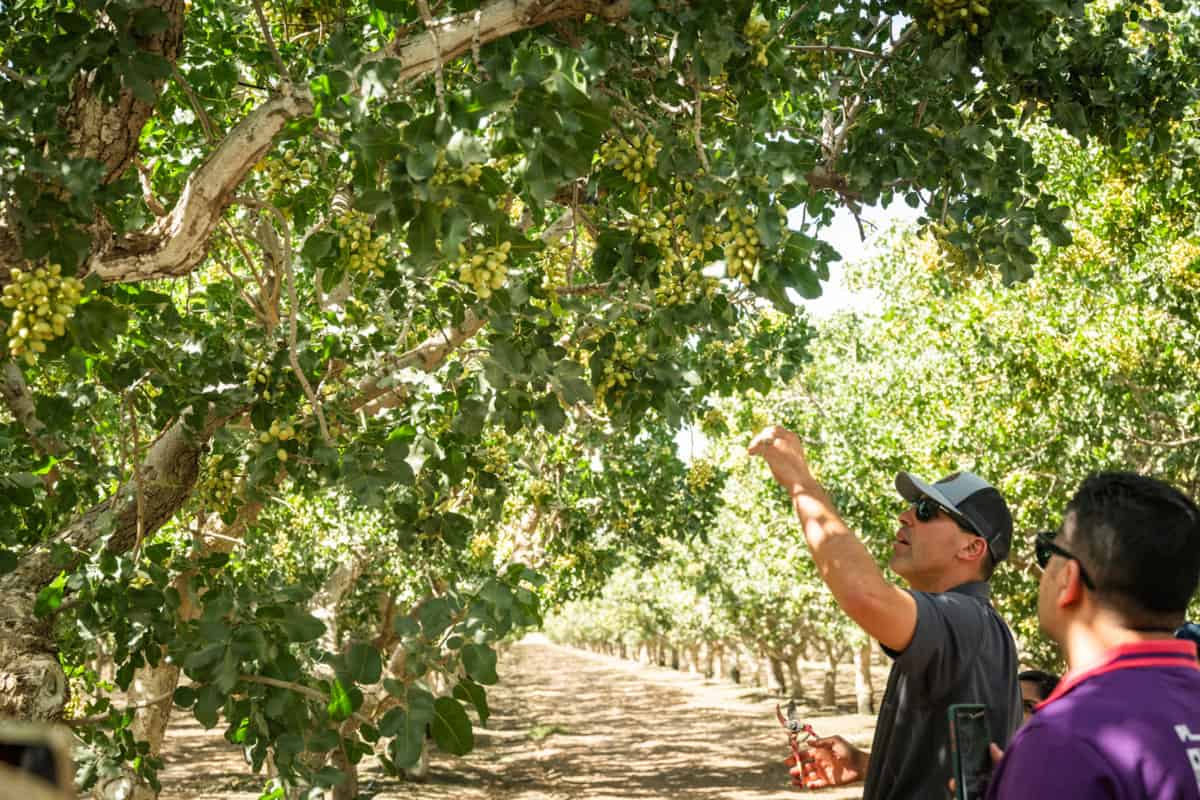 What is a Pistachio Nut and How Are They Harvested? - California Grown
These states only produce a tiny fraction of the national crop, but they have heart. Plus, they’re perfect for a quirky vacation photo holding a giant pistachio statue.
Why should you care? Because you eat them without thinking
Think about your day. Maybe you had a pistachio latte. Maybe you snuck a handful from the bulk bin at the grocery store. Maybe you love that green gelato. Each one of those came from a California farm, picked by a machine or a person.
It’s not just about the nut itself. The pistachio industry supports thousands of jobs. It keeps water flowing in dry areas (that’s a whole other story). And it gives you something to crack open during a boring Zoom meeting.
Next time you’re at a party and someone asks, “Where are pistachios from?” you can casually say, “Oh, mostly California’s Central Valley.” Then watch them be impressed. You’re now the nut expert.
A little story from the farm
I once visited a pistachio farm in the heart of California’s Fresno County. The farmer told me that pistachio trees take seven years to produce their first real harvest. Seven years of watering, pruning, and waiting. That’s longer than some marriages.
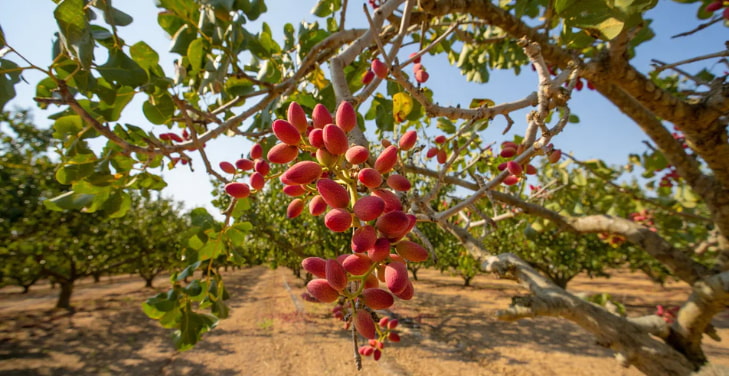 Where Are Pistachios Grown? Top Regions and Climate Facts
When the harvest finally comes, it’s a spectacle. Machines shake the trees, and the nuts rain down like green hail. They’re dried, sorted, and sent to your grocery store. And you thought your commute was stressful.
He also showed me how a pistachio naturally splits its shell open when ripe. That little crack is the nut’s way of saying, “I’m ready, eat me.” Nature is weird and wonderful.
What about the future?
Climate change is a big worry for pistachio growers. They need those cold winters, and they’re getting warmer. But farmers are clever. They’re using drones, better irrigation, and new tree varieties to keep the nuts coming.
So yes, your pistachio habit is safe—for now. But next time you crack one open, give a little nod to the sun, the soil, and the seven-year wait. And maybe buy a bag from a New Mexico roadside stand. Support the underdogs.
Because whether you’re munching them at a baseball game or topping your salad, pistachios are a tiny piece of America’s agricultural soul. Enjoy every green, salty bite.
