When Should Drivers Consider Fitting A New Set Of Tyres?

There is a quiet, often overlooked satisfaction in the way a car grips the road on a rainy evening, the steering wheel feels taut and responsive, and the journey is punctuated...

There is a quiet, often overlooked satisfaction in the way a car grips the road on a rainy evening, the steering wheel feels taut and responsive, and the journey is punctuated by a low, reassuring hum rather than a nervous drone. For many drivers, this sense of connection and control is not just about getting from A to B; it is about feeling safe, confident, and in command of their machine. While engine power and suspension are glamorous, the humble tyre is the only part of the vehicle that actually touches the tarmac. Its condition directly transforms an ordinary commute into a secure, enjoyable experience. Yet, many of us delay the crucial decision to replace them, often until it is too late.
The key purpose of a properly functioning set of tyres goes far beyond simply holding air. Modern tyres are engineered to provide critical grip in wet conditions, disperse water to prevent aquaplaning, and maintain stability at high speeds. A new tyre with deep, sharp tread channels water away from the contact patch, allowing the rubber to stay pressed against the road. This is not merely about passing a technical inspection; it is the difference between making a sharp turn on a damp corner and feeling the back end slide. For everyday life, this means you can drive your children to school in the rain with genuine peace of mind, or take a long highway trip without the constant anxiety of a blowout.
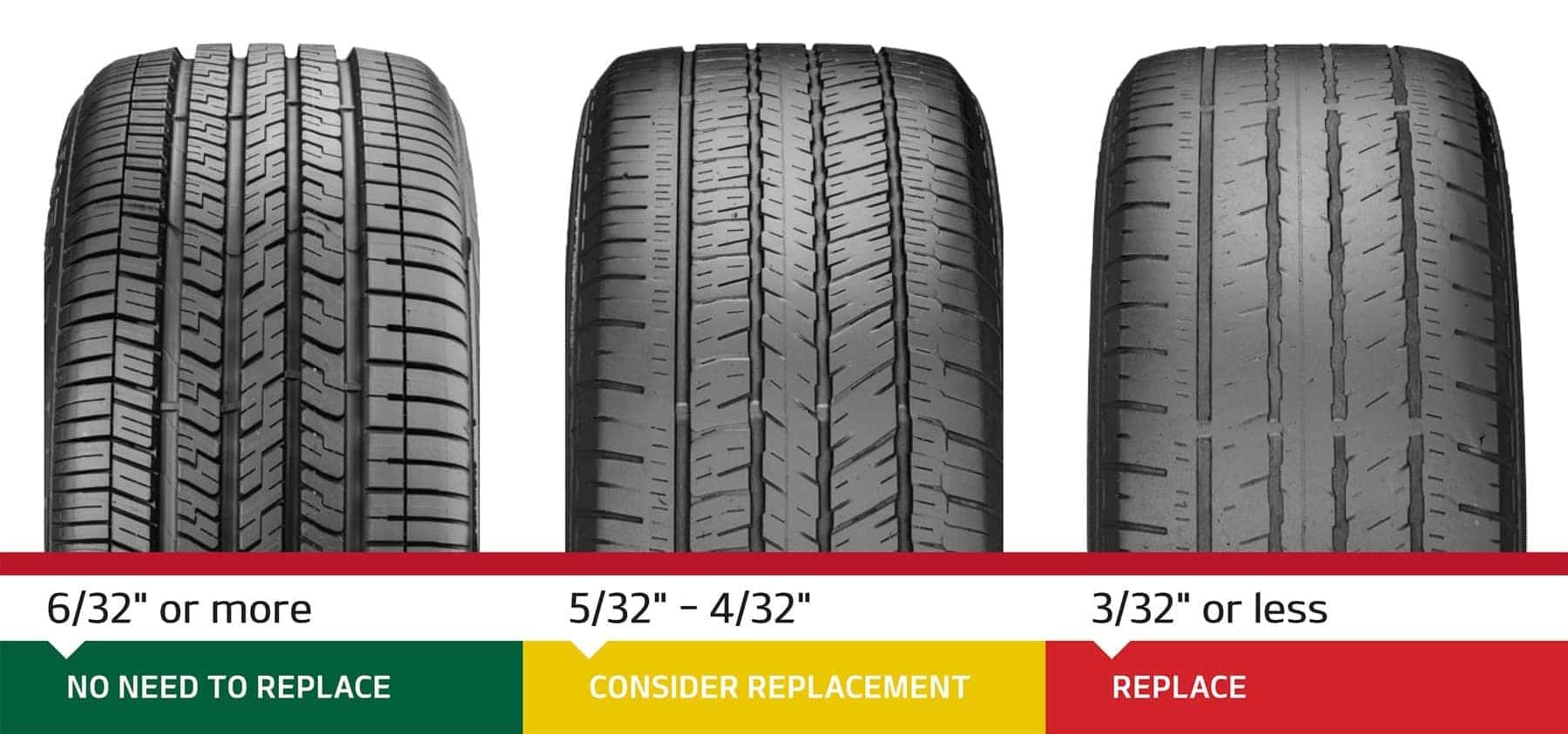
So, when should a driver actually consider a new set? The first and most obvious sign is the legal tread depth. In many regions, the minimum legal limit is 1.6 millimetres. However, relying on this limit is a dangerous mistake. While legal, a tyre at 1.6mm is already a compromise. For wet weather performance, experts strongly recommend replacing tyres when the tread reaches 3 millimetres. At this point, the ability to channel water drops significantly. A simple test is the 20p coin test: insert a 20p coin into the main tread grooves. If the outer band of the coin is visible, your tread is below 3mm and replacement should be a priority.
Must Read
Beyond tread wear, time and visual cues play an equally vital role. Tyres are made of rubber compounds that harden and become brittle with age, regardless of mileage. After five to six years from the date of manufacture, the rubber loses its flexibility and grip. Check the sidewall for a small oval stamp with four digits—this is the week and year it was made (e.g., "3520" means week 35 of 2020). If your tyres are older than six or seven years, consider replacing them even if the tread looks deep. Also, look for visible cracks, bulges, or lumps on the sidewall or tread. These indicate internal structural damage, often from hitting a pothole or kerb, and are a clear signal that the tyre is no longer safe.
Seasonal shifts are another excellent time to reassess. If you drive a performance saloon or a family SUV, switching to a dedicated set of winter tyres when the temperature consistently drops below 7°C (45°F) can dramatically improve safety. Winter rubber uses a special compound that stays soft in the cold, offering far better grip on snow, ice, and even just cold, wet roads. Similarly, if your summer tyres are showing signs of wear as autumn approaches, it is the perfect moment to invest in a new set before the worst weather arrives. A real-world scenario: imagine driving home on a December evening on a road that suddenly turns icy. A worn all-season tyre will slide at the first hint of a hill, while a new winter tyre will crawl up with confidence.
 Tires
Tires
Finally, listen to your car and your own instincts. If you notice a persistent vibration through the steering wheel or a low, rhythmic droning sound that gets louder with speed, your tyres may be worn unevenly or have developed internal belt separation. This is a clear warning you should never ignore. Furthermore, consider your driving style and the car’s power. If you drive a high-torque electric vehicle or a powerful sports car, you will wear tyres faster. For these drivers, fitting new tyres the moment the tread approaches 4mm could be the difference between exhilarating control and a costly loss of traction during a quick overtake.
To explore this on your own, make it a habit. Perform a visual inspection once a month: check each tyre for cuts, bulges, and even wear. Use a tread depth gauge or the coin test to measure depth at several points across each tyre. Note the month and year of manufacture. And most importantly, never mix radically different tread depths or brands on the same axle. Fitting two new tyres on the rear axle—even on a front-wheel-drive car—is often recommended to prevent the back end stepping out in a slide. A small investment of ten minutes a month can keep you safe, save fuel, and preserve that wonderful feeling of a car that handles exactly as it should.