When Making Chili Do I Drain The Beans

Chili is one of the most beloved comfort foods across the nation, from casual weeknight dinners to neighborhood cook-offs. Whether you're a seasoned cook or just starting out...

Chili is one of the most beloved comfort foods across the nation, from casual weeknight dinners to neighborhood cook-offs. Whether you're a seasoned cook or just starting out in the kitchen, you've probably stumbled upon the age-old debate: should you drain the beans before tossing them in your chili? This seemingly small decision can actually make a big difference in the final texture, flavor, and even the nutrition of your dish. Let's break it down so you never have to second-guess yourself again.
To understand why draining matters, it helps to know what's in that can of beans. The liquid inside — often called aquafaba or simply brine — contains starch, salt, and thickening agents that some people find too heavy or too salty. If you love a thick, rich chili with a hearty mouthfeel, choosing not to drain your beans means you're adding both liquid and extra body to your pot. On the other hand, if you prefer a thinner, more broth-like consistency, draining the beans gives you full control over how much added moisture ends up in your recipe. Additionally, draining reduces the sodium content, which is a smart move for families watching their salt intake or anyone following a heart-healthy eating plan.
Let's look at a few real-world scenarios where this choice really comes into play. Picture a chaotic Sunday afternoon — you've got three kids home from soccer and you're throwing together a big pot of chili with ground beef, tomatoes, and kidney beans. Un-drained beans will help you achieve that stew-like thickness without needing to add extra tomato paste or simmer for an extra thirty minutes. Now imagine a backyard potluck where you're competing against your neighbor's famous Texas-style chili. Deserving judges often frown on anything too soupy, so draining your beans well and letting the other ingredients shine through is probably your best strategy. Another example: meal prepping for your office lunches. Lighter, drained beans tend to freeze and reheat better without turning your chili into a mushy mess by midweek.
Must Read
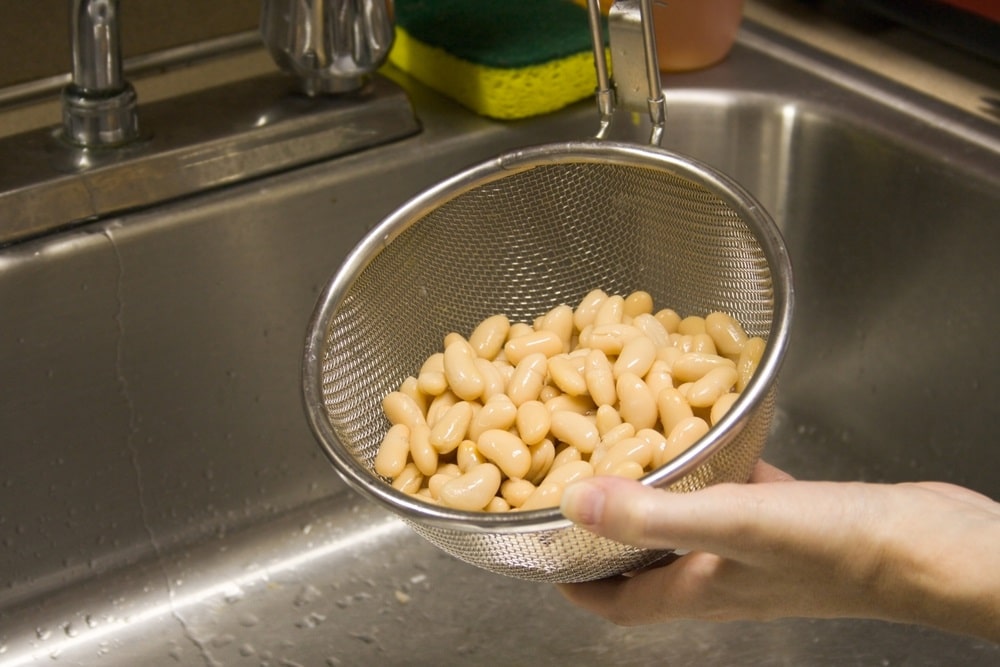
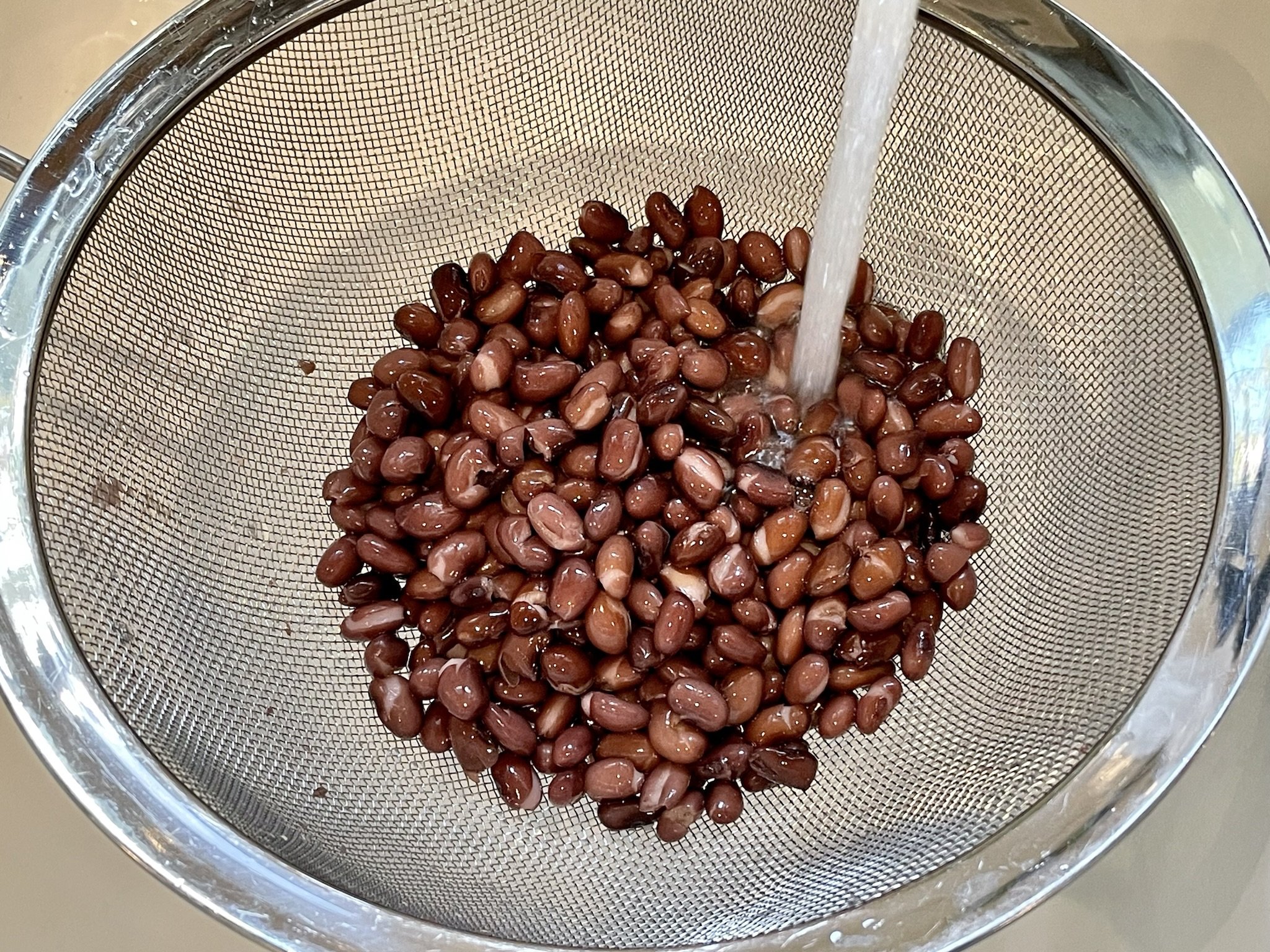
Now let's get into some practical tips that can help you nail this every time. First, if you decide to drain, pour the beans into a colander and rinse them briefly under cold water — this washes away excess starch and salt. Second, consider saving the bean liquid in a separate container instead of throwing it down the drain; you can add it back in a little at a time until your chili has exactly the consistency you want. Third, taste your chili before and after adding beans — sometimes the seasoning needs a quick adjustment once those extra liquids hit the pot. And finally, if you're using no-salt-added beans, draining matters less for health reasons, so the choice becomes purely about texture preference.
 HEARTY VEGETARIAN CHILI - Best Ever Make Ahead Chili! — Prep My Recipe
Ultimately, there is no single right answer — it all comes down to what you're aiming for. If you want a hearty, spoon-coating chili that sticks to your ribs on a cold night, keep those beans in all their un-drained glory. If you're after something lighter and more flexible, go ahead and drain. The beauty of chili is that it's incredibly forgiving, and experimenting will teach you what works best with your particular recipe and your family's taste buds.
So the next time you crack open a can of beans for chili night, you'll know exactly what to do. This small but meaningful kitchen decision can elevate your dish from good to truly memorable, and it's yet another reason why chili remains a go-to favorite for cooks everywhere. Grab that can, make your choice, and enjoy every delicious bite. Happy cooking!