When Is Butternut Squash Ripe To Pick

Butternut squash is one of those joyful garden treasures that turns home cooking into something truly special. There is something incredibly satisfying about watching a vine c...
Butternut squash is one of those joyful garden treasures that turns home cooking into something truly special. There is something incredibly satisfying about watching a vine creep across your garden, spotting the golden skin of a swelling squash, and knowing that harvest is just around the corner. Knowing exactly when butternut squash is ripe to pick can make the difference between a disappointing, bland gourd and a creamy, sweet masterpiece. This guide will walk you through the fun signals, tricks, and tips that perfectly timed harvesting has to offer, helping you get the very best out of every squash you grow.
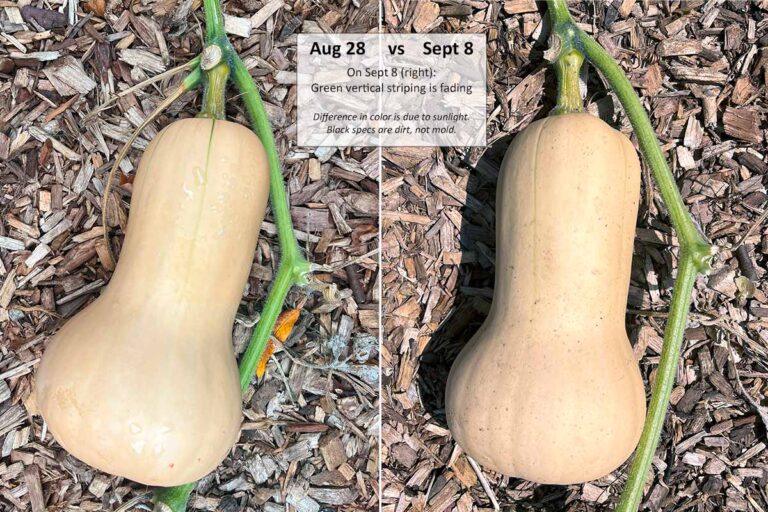
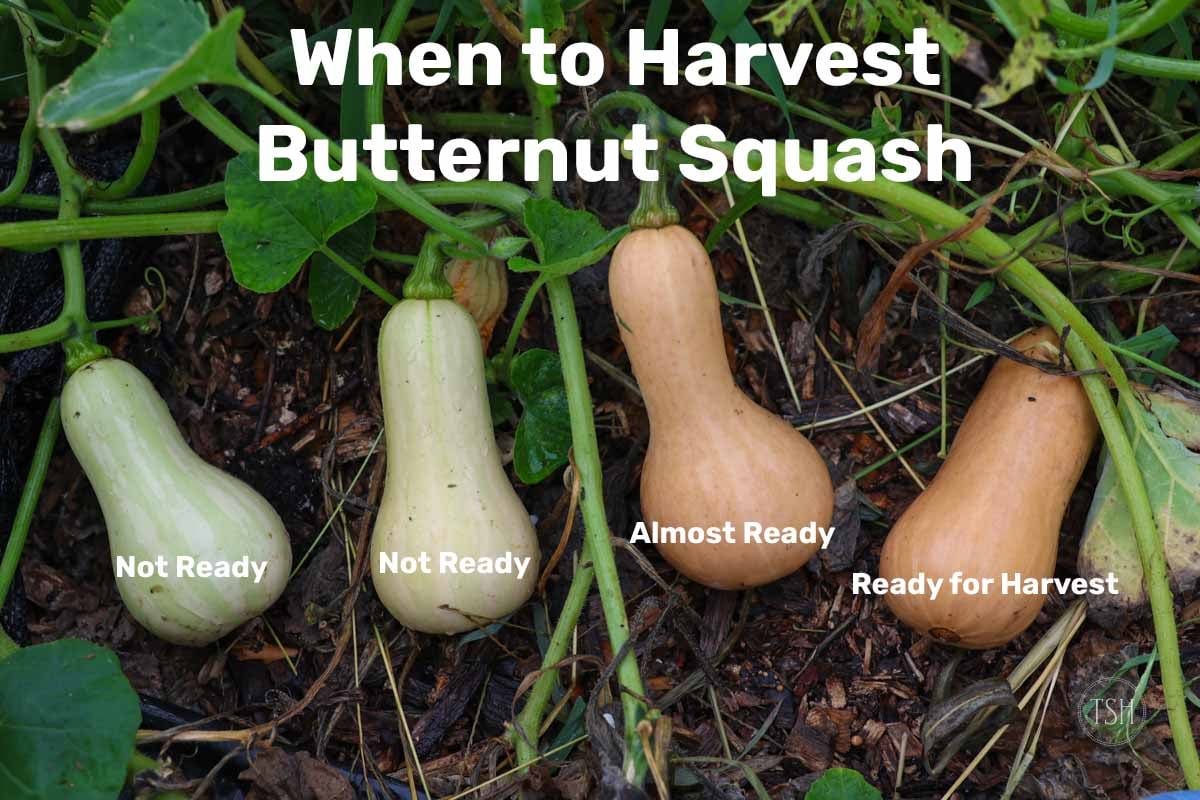
The most reliable indicator of ripeness is the color and texture of the skin. A mature butternut squash moves from pale green to a consistent light tan or buff color across its entire surface. Along with this color change, the rind should feel hard and tough—so firm that your fingernail cannot easily scratch it. If the skin still shows soft green patches or feels pliable under pressure, the squash needs more time on the vine. Firmness is key: press your thumb against the rind, and it should not give at all. This simple test requires nothing more than your hands and a few seconds of attention, yet it offers one of the strongest clues that your squash is ready.
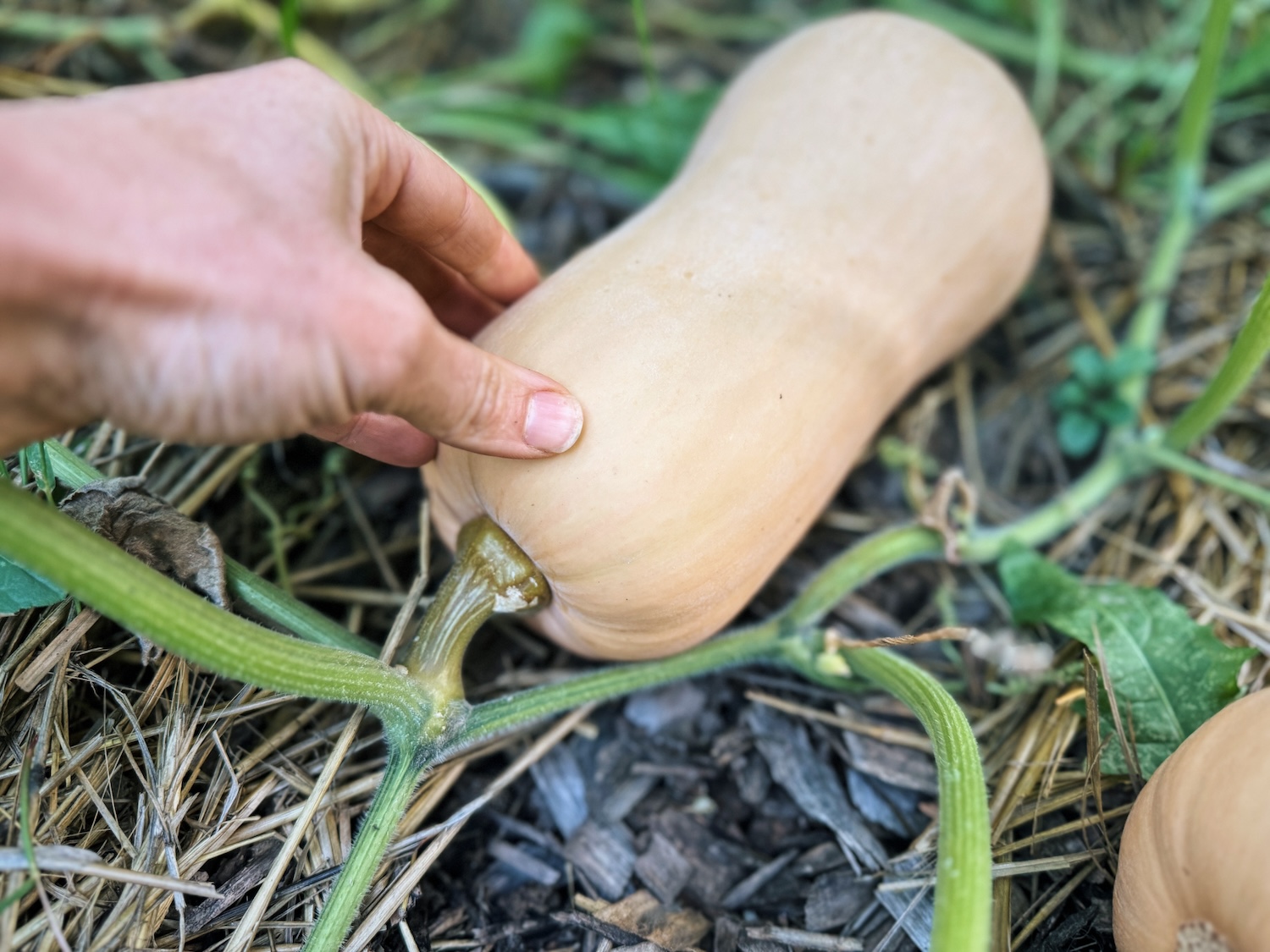
Another wonderful sign to watch for is what gardeners sometimes call the "nail test," where you gently press a fingernail into the rind of any ripe squash bearing vine. If a slight dent appears but the skin doesn't break, the squash may still be maturing. If no dent appears at all, you are likely looking at a fully ripe fruit. Gardeners also look at the vine itself: in most cases, the stem where the squash attaches will begin to dry, crack, and turn brown. This is a natural signal from the plant that it is winding down production for that individual squash. Combining skin color, hardness, and stem condition gives you a confident, triple-check method for making the final call.
Must Read
Timing your harvest is also about读懂 understanding with the calendar. Butternut squash typically needs about 100 to 120 days from transplanting to reach full maturity, depending on the variety. While numbers alone shouldn't dictate everything, they are a helpful safety baseline. Start checking your squash roughly three to four weeks before that mark. A practical and creative approach is to pick one squash early in the window, let it cure for a week, and taste it. If the flavour is sweet and the texture creamy, your remaining squashes in that zone are almost certainly ready too. This little taste test turns harvest into an interactive experiment that the whole family can enjoy.
Weather plays a surprising role as well. Once your squash reaches ripeness, don't leave it sitting on the vine through a freeze. Even one frost can damage the rind, cause internal breakdown, and seriously shorten storage life. On the flip side, wait too long in a wet autumn and you risk the fruit absorbing moisture or beginning to rot. A smart rule of thumb is to harvest at the first sign of any cold snap or heavy rain.
 When to Harvest Butternut Squash
Curing is the often-overlooked final step that transforms good squash into great squash. After picking, set your butternut squash in a warm, airy spot—80°F (about 27°C) with good ventilation—for roughly ten days. During curing, the sugars inside redistribute, the stem seals off properly, and the skin toughens into a protective shield. Once cured, store the squash in a cool, dry location like a basement or pantry. With this method, a well-timed harvest can yield squash that stays fresh for several months.
In the end, knowing when your butternut squash is ripe is a blend of science, observation, and a little personal judgment. Use the color change, nail test, stem drying, and calendar awareness, and you will rarely miss the mark. Harvest with warmth, cure with patience, and reward yourself with the creamiest, sweetest homemade soups, roasts, and pies that only a perfectly ripe squash can deliver. Happy harvesting!