When Is Butternut Squash Ready To Pick

So, you've decided to grow butternut squash. Congratulations — you've basically signed up for a marathon where the finish line is a giant, beige, vaguely phallic gourd. Now yo...
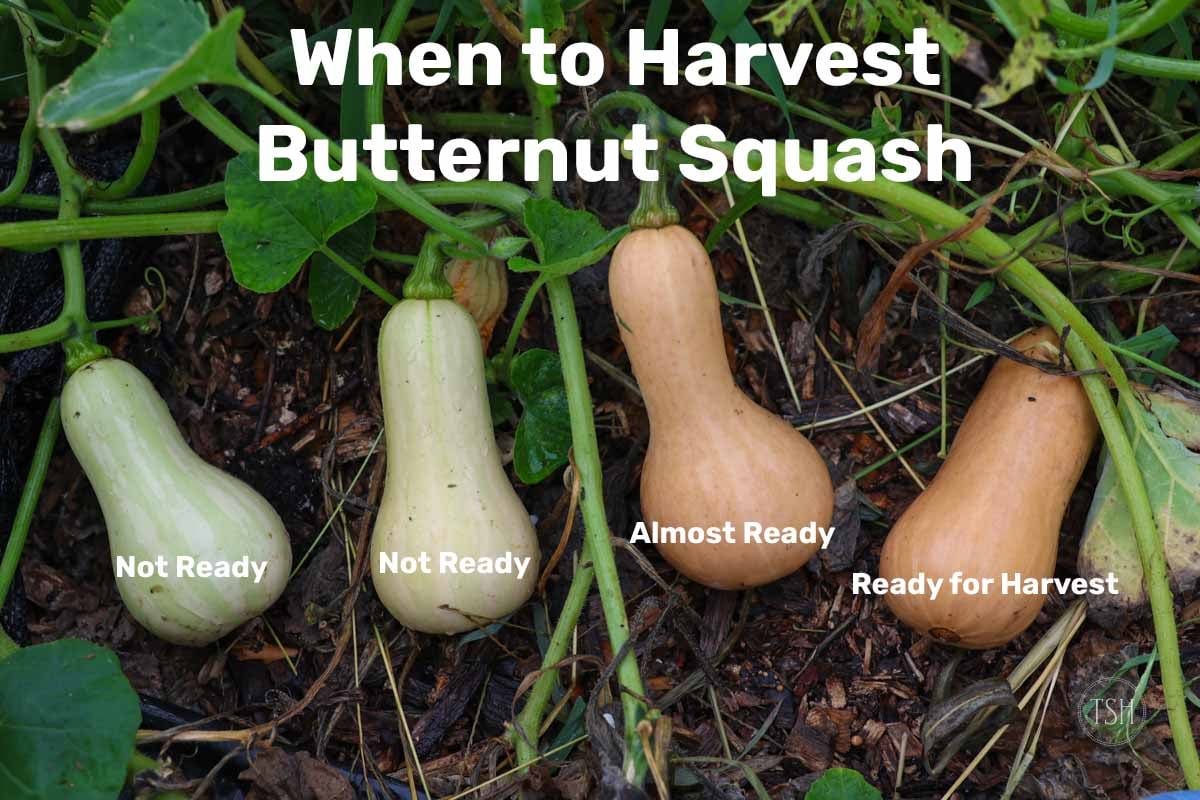
So, you've decided to grow butternut squash. Congratulations — you've basically signed up for a marathon where the finish line is a giant, beige, vaguely phallic gourd. Now you're standing in your garden, staring at it, wondering: "Is this thing ready, or am I about to harvest a vegetable that's still in its emotional phase of development?"
The Great Color Game
Here's your first clue: check the color. When butternut squash is perfectly ripe, it turns from a pale green to a gorgeous tan or creamy beige — like the difference between your friend before vacation and your friend after two weeks in Santorini.
If your squash still looks like a giant green cucumber with delusions of grandeur, give it more time. Butternut squash needs patience, and honestly, so does every good relationship.
Must Read
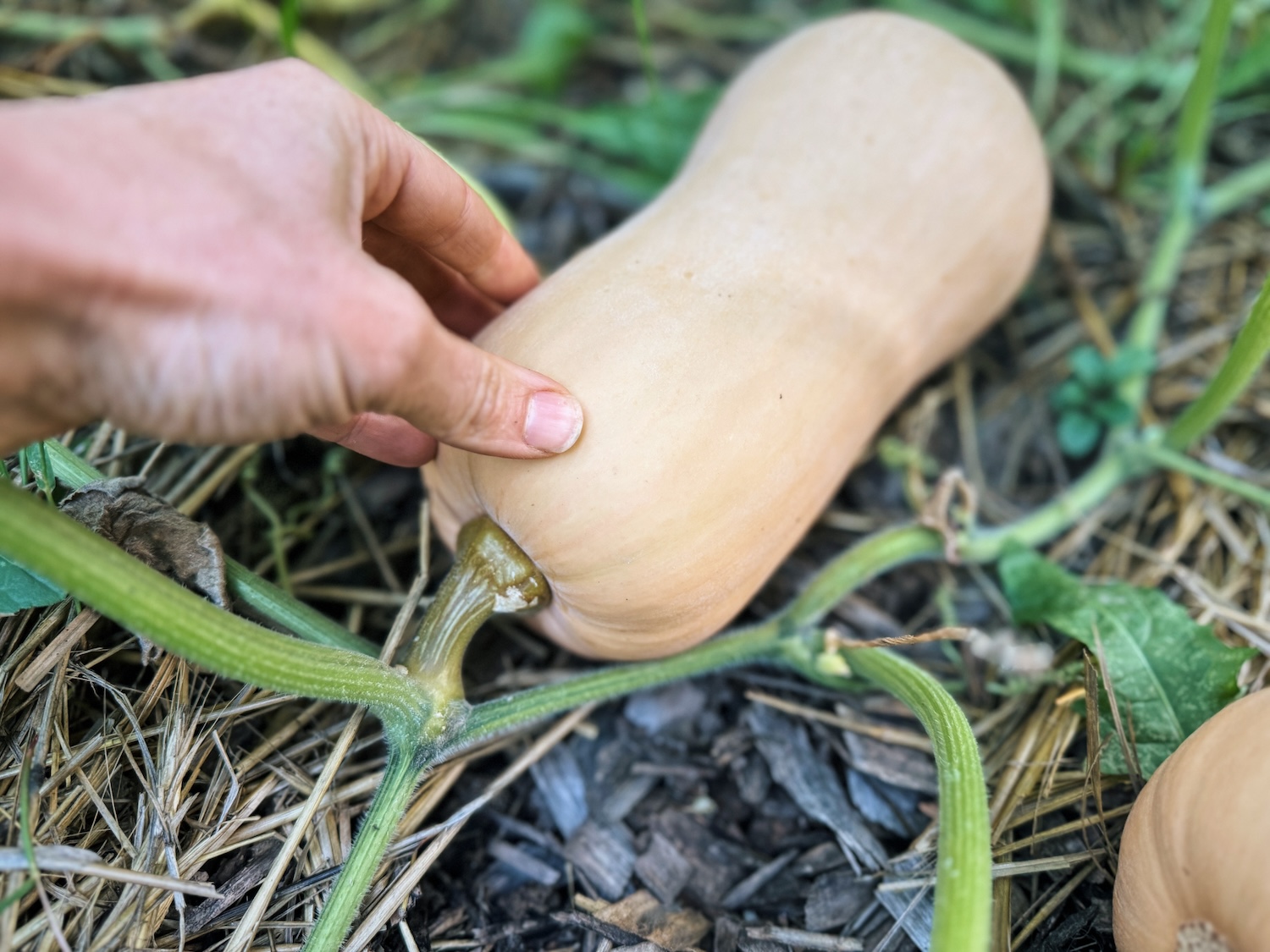
The stem is another telltale sign. If it's still bright green, your squash is texting the vine saying "one more week, BRB." But when that stem turns brown and dry, it's basically packing its bags and saying, "I'm ready to leave this vine."
The Thumbnail Test (Yes, Really)
Here's a fun one: take your thumbnail and gently press into the skin. If it feels rock-hard and your nail just slides off in defeat, you're good to go. If your thumbnail actually dents the skin like it's a waterbed, that squash is still hitting the gym.
Some bold farmers also give the squash a slight whack with a knuckle. A ripe butternut gives you a hollow, drum-like sound — think of it as the squash answering your knock at the door. An unripe one sounds muted and flat, like a teenager's I-guess response.
 Green Butternut Squash
The Stem Strategy
When harvesting, always cut — never pull — and leave about two inches of stem attached. That little stem stub is like the squash's security blanket; it keeps moisture out and extends your squash's shelf life dramatically.
A butternut squash with a proper stem cut can last an astonishing three to six months stored in a cool, dry place. That's basically more shelf life than your leftover takeout, and infinitely more delicious on a roasted vegetable tray.
Frost, Temptation, and the Art of Waiting
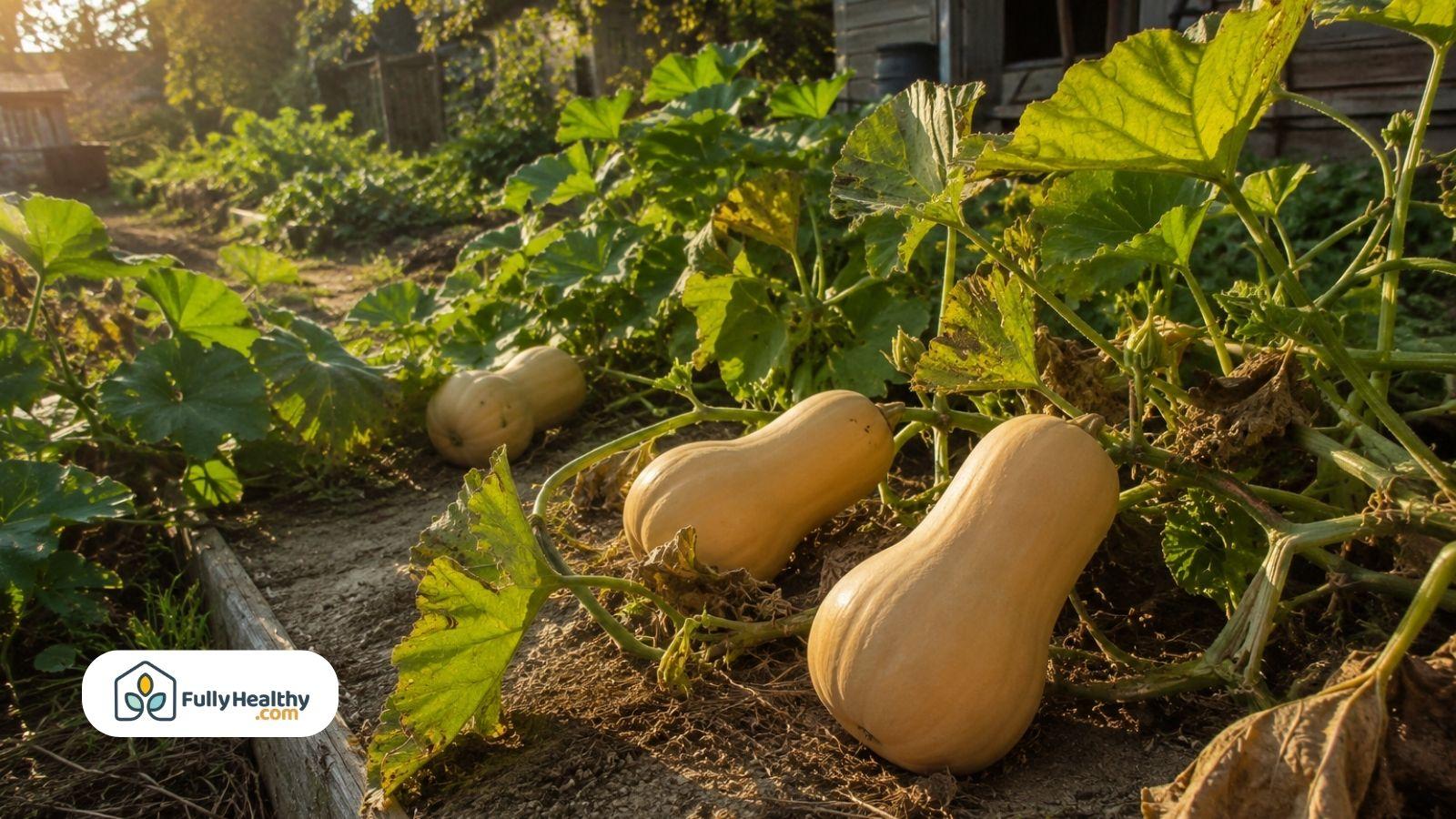
Here's the plot twist: you should ideally harvest butternut squash before the first frost hits. Frost is to your squash what Monday morning is to your workout plan — a complete and utter mood killer.
Once frost touches the skin, the squash can start to rot faster than your gym motivation in February. So keep one eye on the date and one eye on the forecast, like a paranoid weatherman with a garden.
 When To Pick Butternut Squash? Harvest Tips
But here's where it gets tricky: even if the frost arrives early, you can salvage still-green squash. Just sort of let it "cure" on a porch or in a shed at room temperature for a week or two. It's basically a spa day for squash — minus the cucumber slices over the eyes.
The Size Factor (Because Size Does Matter Here)
A ripe butternut squash typically measures around ten to twelve inches long and weighs somewhere between two and five pounds. If yours is the size of a toddler, don't worry — it just had big ambitions this season.
However, bigger doesn't always mean better. Enormous butternut squash can become fibrous and seedy inside, like biting into a tennis ball that's trying to be soup. Go for medium-sized, smooth-looking squash for the best texture and flavor.
The "Dried Vine" Theory
Another reliable trick: if the vine leaves near the squash are yellowed or dying, it's a decent sign that the fruit has stopped growing and is wrapping things up. The plant is basically firing the vine mailing list and letting the squash know it's time for its solo debut.
 When to Harvest Butternut Squash
That said, don't rely on this one alone. Some vines are just tired and dramatic. Check multiple signs together — color, stem, hardness, and sound — for the full picture.
Eating, Curing, and the Sweet Payoff
Here's the ultimate reward for your patience: once cured, butternut squash gets incredibly sweet. The natural starches convert to sugars, and suddenly that plain beige gourd becomes a caramel-flavored masterpiece in the oven.
You can roast it, puree it into soup, spiralize it into noodles, or even bake it into pie. Honestly, butternut squash is the Swiss Army knife of vegetables — it shows up to everything and never disappoints.
So next time you're in the garden, staring at your squash respectfully, just run through the checklist: tan color, brown stem, thumb-resistant skin, and a frost-free forecast. Harvest it right, keep it with its stem cap, cure it in a cool spot, and prepare your taste buds for one of autumn's greatest triumphs. And this time, nobody's ghosting you with color codes and stem tips — the squash speaks for itself.
