When Did The Measles Vaccine Come Out

Okay, let’s time travel for a sec. Before TikTok, before the internet, heck, before color TV, there was this incredibly nasty virus called measles. It wasn't just a rash and a...

Okay, let’s time travel for a sec. Before TikTok, before the internet, heck, before color TV, there was this incredibly nasty virus called measles. It wasn't just a rash and a fever; it was a scary beast that could cause pneumonia, brain swelling, and even death. So, when did we finally get the superpower to fight it? The answer is way more interesting than a simple date on a calendar.
The Big Debut: A Vaccine is Born
The first licensed measles vaccine hit the scene in 1963. That’s right, the same year the Beatles released their first album, we got a shot that would save millions of lives. Imagine that—while everyone was humming "I Want to Hold Your Hand," scientists were handing out tiny vials of immunity. It was a game-changer, like going from a horse-drawn carriage to a rocket ship overnight.
But here’s the thing: that first version was a killed virus vaccine. It worked, but it wasn’t the final boss. It required multiple boosters and didn't offer the same long-term shield as what we have today. Think of it like learning to bike with training wheels—functional, but not quite the smooth ride we were hoping for.
Must Read
Then came the upgrade. In 1968, a scientist named Dr. Maurice Hilleman and his team released a live, attenuated (weakened) version. This was the gold standard. It sparked a stronger immune response with just one shot, making the vaccine far more effective. It’s like swapping your training wheels for a sleek, ten-speed bike—suddenly, you’re cruising.
Why This Timing is Cooler Than You Think
Let’s pause and appreciate the context. Polio was still terrifying people in the early 1960s. The smallpox vaccine was decades old, but measles was still a childhood certainty. Almost every kid got it. So, inventing a measles vaccine in ‘63 felt like turning down the volume on a blaring alarm—a massive relief for parents who lived in fear of the “measles party” (yes, that was a thing where parents would purposely expose their kids to get it over with).
But here’s where it gets wild. The success of the vaccine led to a massive campaign in the 1970s and 80s. By 2000, measles was declared eliminated in the United States. That means the virus stopped circulating naturally here. Think about that: a disease that once hospitalized 48,000 people a year and killed 500 was basically wiped out. It’s like turning a raging river into a trickle with a single, brilliant dam.
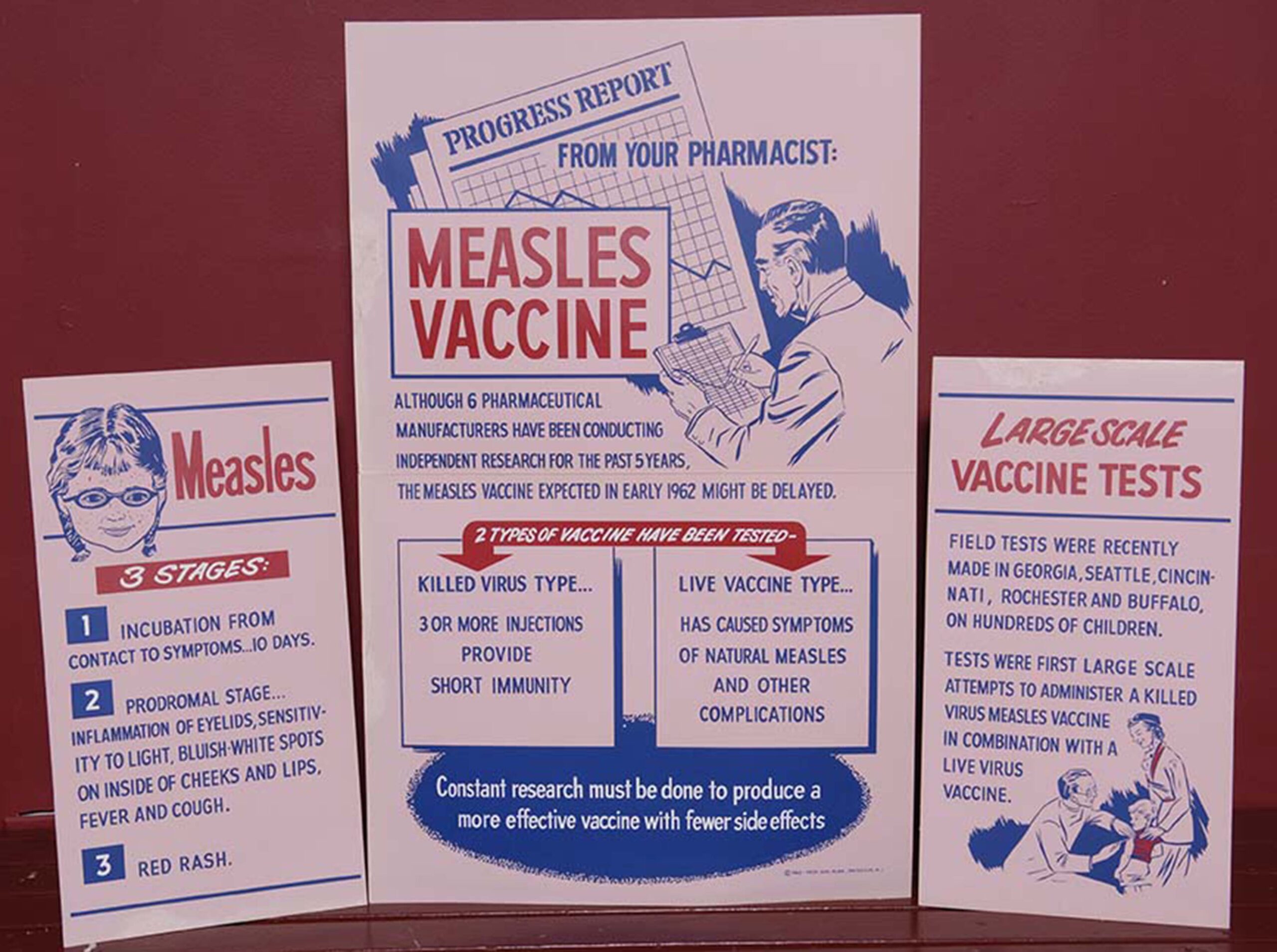 Visual Histories - Early Public Education on the Measles Vaccine
It’s also cool because the measles vaccine wasn’t a solo act. It came in a combo pack. In 1971, the MMR vaccine (Measles, Mumps, Rubella) was introduced. One shot, three diseases. That’s like ordering a pizza that also comes with a free burger and fries—a total bargain for your immune system.
Wait, What About the OG Vaccine?
You might be wondering: did that 1963 killed-vaccine version just disappear? Sort of. It was used for a few years, but because it wasn’t as stable or long-lasting, it was phased out by the early 1970s. The live, attenuated 1968 version became the hero we still use today. It’s a little tweak in history, but it made all the difference—kind of like how the first iPhone was revolutionary, but the iPhone 3G was the one that actually changed everything.
So, when you hear someone say “the measles vaccine is from the 1960s,” don’t just nod. Think about what that meant. It was a time of social upheaval, space races, and miracle medicine. A time when scientists looked at a disease that had haunted humanity for thousands of years and said, “Nope, not anymore.”
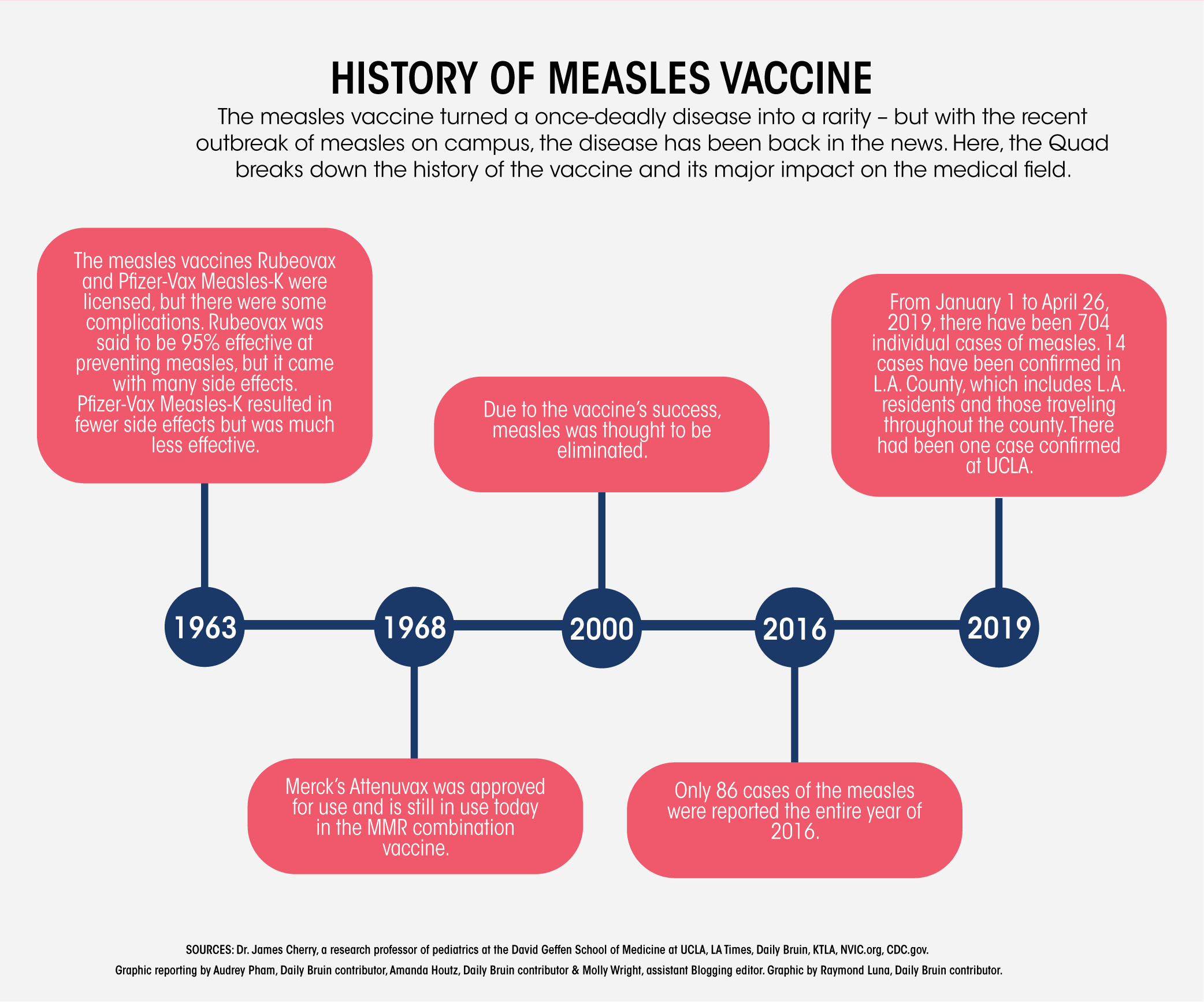 Measles Vaccine History
The Real Magic: What It Changed
Before the vaccine, measles infected about 4 million people in the U.S. annually. That’s roughly the population of Los Angeles, every single year. After the vaccine? Cases dropped by 99%. That’s not a lucky streak; that’s a scientific miracle. It’s like going from a Los Angeles-sized traffic jam to a quiet, empty road.
And here’s the really mind-blowing part: the vaccine hasn’t changed much since 1968. That formula is still doing its job, protecting babies, school kids, and adults. It’s a timeless piece of tech, like a classic leather jacket that never goes out of style. Except this jacket literally stops a virus from turning your lungs into a battlefield.
So, next time you see a child with a Band-Aid on their arm after a doctor’s visit, remember the story. It’s not just a shot. It’s a piece of 1963, upgraded in ’68, that quietly changed the world. Pretty cool, right? The measles vaccine came out when people were still using rotary phones, and it’s still saving lives today. That’s not just history—that’s a legacy.
