Whats The Green Stuff In Mussels

So, you’re sitting there, looking at a steamed mussel, and you notice it. That weird, greenish blob nestled inside the shell. Your brain screams, “Whoa, is that a parasite? A...
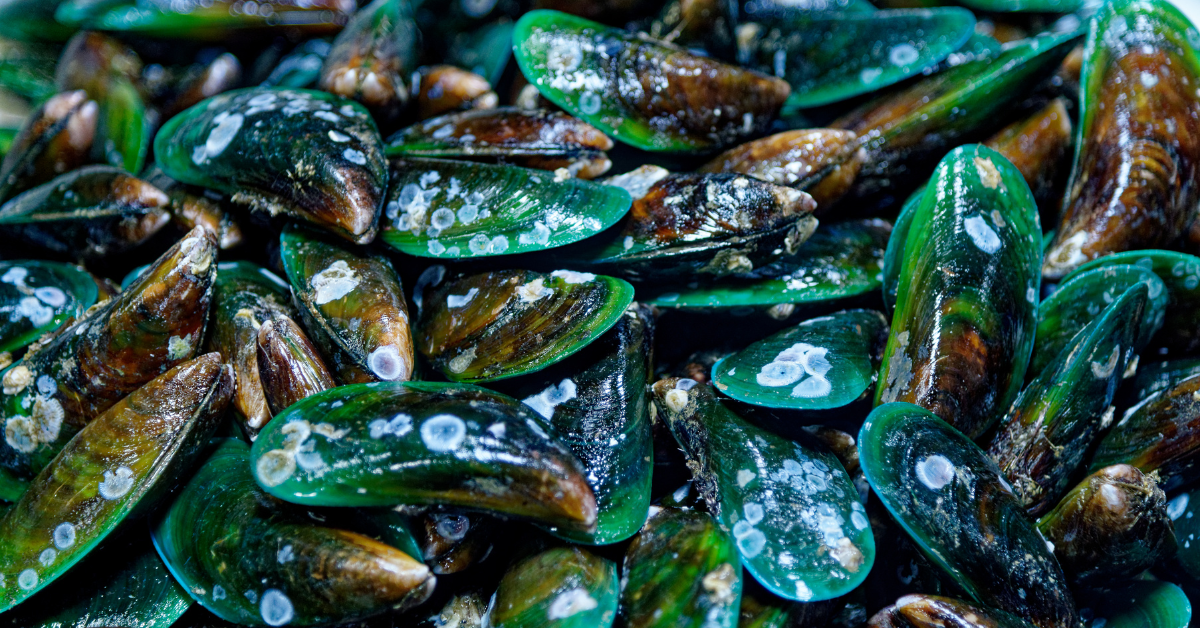
So, you’re sitting there, looking at a steamed mussel, and you notice it. That weird, greenish blob nestled inside the shell. Your brain screams, “Whoa, is that a parasite? A slimy alien? Did I just pay for mold?”
Take a breath. I promise, it’s not gross. In fact, that little green spot is one of the coolest things about eating mussels.
Let’s call it what it really is: the “liver” of the sea. More scientifically, it’s the hepatopancreas. Fancy name, right? It’s basically the mussel’s combo organ for digestion and filtration.
Must Read
Think of it as a tiny, underwater supercomputer that processes everything the mussel eats. And what does it eat? Plankton—specifically, phytoplankton.
Now, here’s where it gets wild. That green color? It’s basically mussel makeup. When a mussel chows down on a specific type of green microalgae, the pigments from that algae collect inside its digestive gland.
Why Isn’t It Always Green?
You might have noticed that sometimes the green stuff is bright and vivid, and other times it’s barely there. That’s the mussel’s secret diary of its last meal.
If you see a deep, forest-green blob, that mussel was feasting on a heavy dose of green algae recently. If it’s pale or yellowish, it might have been eating a different type of plankton—or it was just a bit hungrier.
It’s a lot like how flamingos are pink because they eat shrimp. Mussels are just… green-flamingos. But in shell form. And they don’t fly.
Is It Safe To Eat? (The Question Everyone Asks)
Here’s the short answer: Yes, absolutely. You can eat the whole mussel, including the green stuff. Some chefs even call it the flavor bomb of the mollusk.
That gland is packed with concentrated umami—that savory, meaty taste. It’s like the mussel’s own little sponge of ocean flavor. Many people actually prefer it.
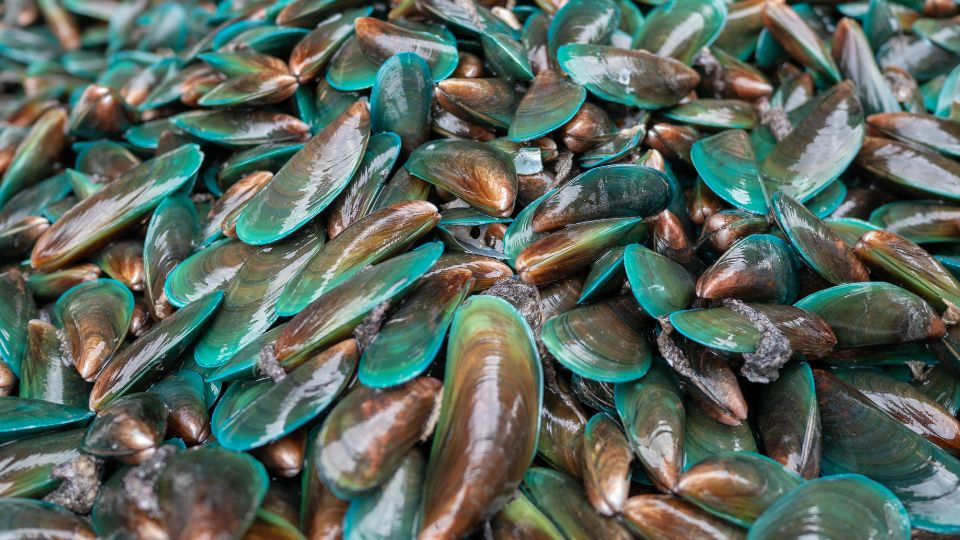 Mussel
But let’s be real: if the texture bugs you, or the color freaks you out, just scrape it off. Nobody at the table is judging you. You do you.
A Fun Comparison: The Mussel’s Green Gadget
Have you ever seen a green tomato or an avocado that’s a bit too ripe? That’s kind of what we’re dealing with here. It’s not rot; it’s just chemistry doing its thing.
Think of the mussel as a tiny, aquatic composting bin. It filters seawater, keeps the good stuff (nutrients), and builds this green reservoir. It’s actually a sign of a healthy, well-fed mussel.
If you ever get a mussel that’s completely clear or white inside, you might worry more. That often means it’s been starved or farmed on a synthetic diet. The green is a badge of authenticity.
The Science Snack: Pigments and Light
Here comes the funky science part. The green pigment is often a compound called chlorophyll. Yes, the same stuff that makes grass green and powers plants.
But mussels don’t photosynthesize. They just borrow the pigment from the algae they eat. It’s like they’re wearing a green coat made from their lunch.
And here’s a neat trick: if you cook mussels and the liquid turns a weird, olive-green color, that’s just the gland breaking down. No worries—it’s the same reaction that happens when you boil broccoli too long.
 Mussel For Dogs Online | cumberland.org
Should You Be Skeptical? Only About One Thing
While the green gland is totally normal, there is one thing to keep an eye out for: a really unusual, bright neon-green or blue-green tint. That’s not from algae.
That rare case can happen in farmed mussels if they’ve been exposed to copper sulfate (a treatment for parasites). But don’t freak out—this is super uncommon, and reputable farms don’t use it in dangerous levels.
Your average mussel from a good fishmonger or restaurant? The green stuff is just a trophy of a happy, plankton-rich life.
The Bottom Line: Embrace the Green
So next time you crack open a mussel and see that emerald blob, don’t flinch. Give it a little nod. You’re looking at the engine room of one of the ocean’s hardest-working filter feeders.
It’s the mussel’s liver, its stomach, its detox center, and its flavor secret all rolled into one. Kind of makes you appreciate the little guy, doesn’t it?
Plus, if you do eat it, you get that extra hit of briny, oceanic complexity. It’s like eating the sea’s version of a concentrated gravy. Trust your taste buds—they know what’s up.
And if someone at the table asks, “What’s the green stuff in mussels?” you can smirk, lean in, and say, “Oh, that? That’s the good part. It’s the mussel magic.”
