What's The Difference In Turnip Greens And Collard Greens

Let’s settle a debate you didn’t know you were having. Turnip greens vs. collard greens. They’re both leafy, green, and southern-fried staples. But trust me, they are not twin...
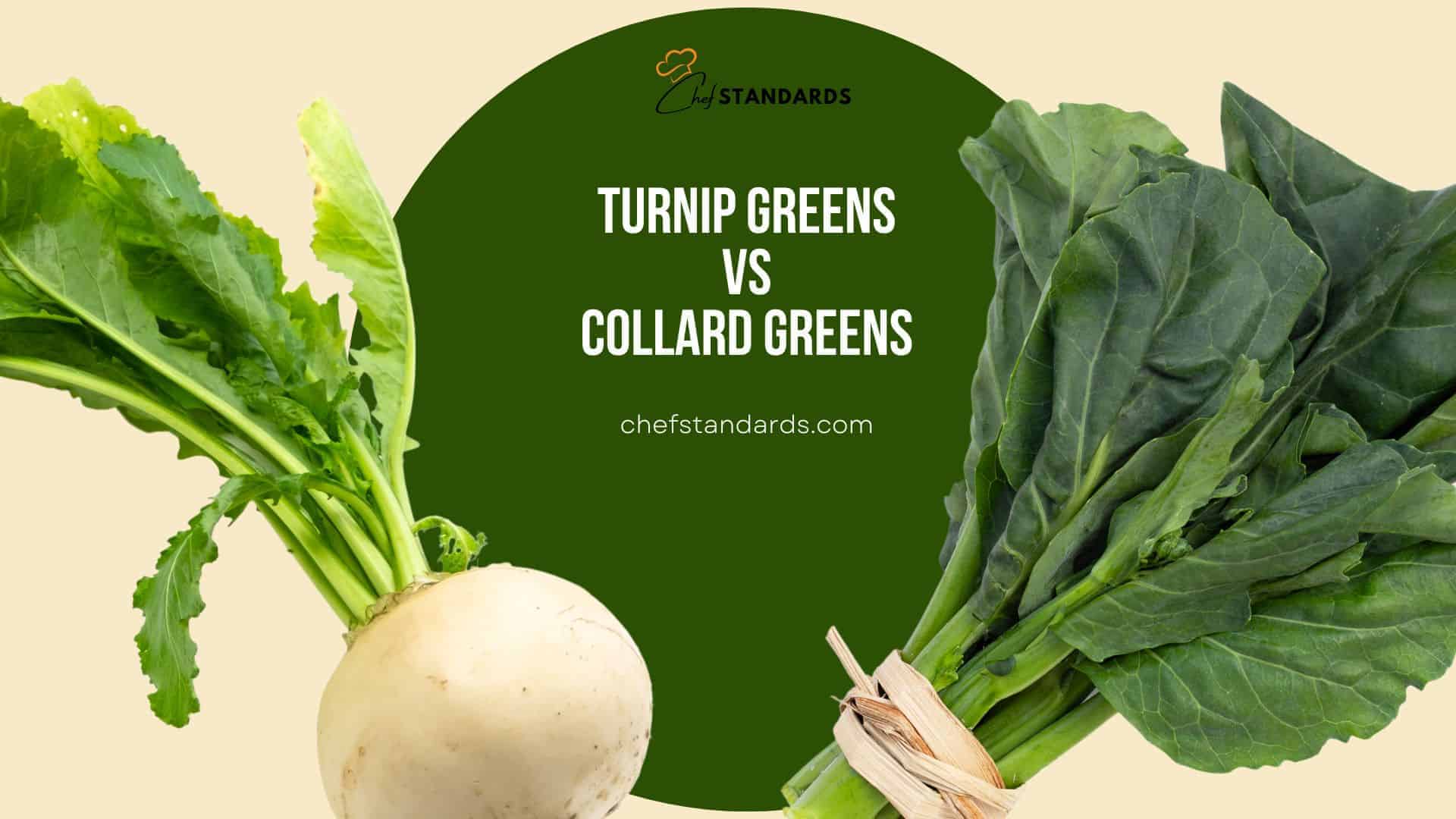
Let’s settle a debate you didn’t know you were having. Turnip greens vs. collard greens. They’re both leafy, green, and southern-fried staples. But trust me, they are not twins.
First, The Obvious: Looks Matter
Collard greens are the bodybuilders of the leafy world. Their leaves are huge, flat, and waxy, like a dinner plate dipped in olive oil. Turnip greens are the delicate, ruffled cousins, with thinner leaves that look like they were sketched by a fancy chef.
Collards have a thick, white stem you can’t ignore. Turnip greens have small, tender stems that practically melt. One is a tank; the other is a ballerina.
Must Read
The Flavor Face-Off
Collard greens are earthy and sturdy. They taste like a hug from the soil, with a slightly bitter, cabbage-like punch. They laugh in the face of long cooking times.
Turnip greens are spicier and peppery. They have a bite, like a gentle little kick from a radish’s distant cousin. They’re the sassy friend who arrives late but keeps the party interesting.
Here’s a fun trick: turnip greens change personality depending on age. Young ones are mild. Old ones? They’ll clear your sinuses.
Roots: The Secret Weapon
Collard greens are a one-trick pony. They don’t grow a sexy, edible root. Just leaves, leaves, and more leaves. Boring, right?
Turnip greens come with a bonus prize: the turnip itself! That bulbous, white or purple root is a vegetable celebrity. You get two dishes from one plant. Double the vegetable, double the bragging rights.
Think of collards as the solo artist. Turnip greens are the band with a hit album and a killer tour bus.
Cooking: Slow vs. Speedy
Collard greens are marathon runners. They need a long, slow simmer—often for over an hour—to break down their tough fibers. Throw in a ham hock, and they become silky and forgiving.
Turnip greens are sprinters. Ten minutes in a hot skillet with garlic, and they’re done. Overcook them, and they turn into sad, gray mush. Nobody likes sad mush.
Pro tip: If you’re late for dinner, pick turnip greens. If you have all day and a good podcast, collards are your pal.
The Quirky Truth About Bitterness
Bitterness is where things get funny. Collard greens are bitter by design. It’s their signature, like a sour candy’s pucker. Some people adore it; others run screaming.
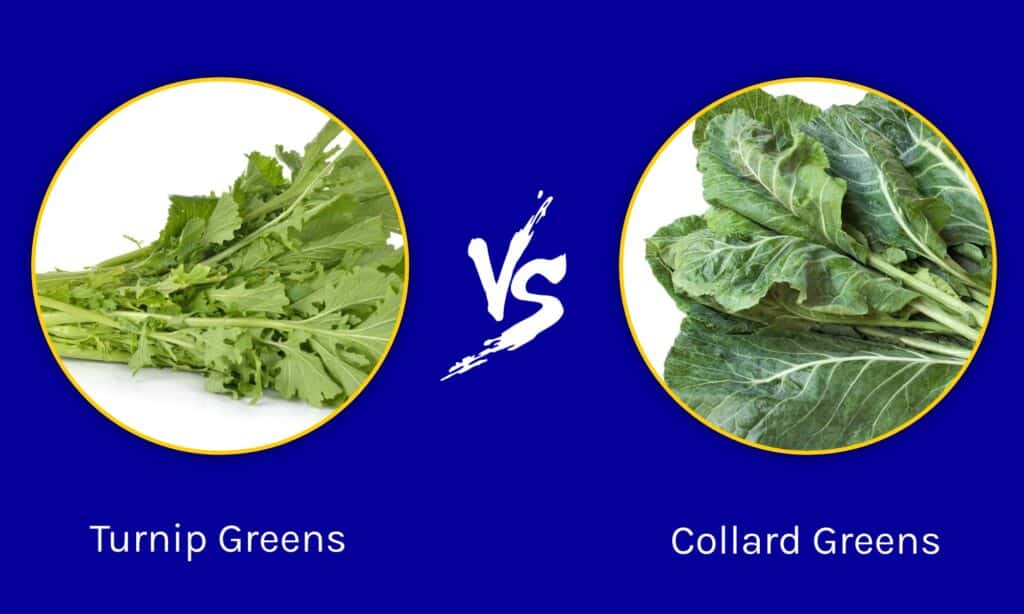 Turnip Greens vs Collard Greens: What’s the Difference? - A-Z Animals
Turnip greens are bitter only if you mistreat them. Harvest them late, and they’ll bite back with a vengeance. Harvest them young, and they’re sweet and cooperative.
Here’s a gross but funny fact: bitter greens are actually good for your liver. So even when they’re sassy, they’re secretly helping you. Gross, but heroic.
Southern History: The Ultimate Tie-Breaker
Collard greens are the king of Southern cuisine. They’ve been slow-cooked with pork for centuries, served on New Year’s Day for luck. If you miss collards on January 1st, apparently you’re out of luck. The pressure is real.
Turnip greens were the rebellious substitute during tough times. If you had a turnip patch, you had greens. They were the scrappy, resourceful vegetable of the Depression era.
Both are tied to tradition, but collards are the grandparent with the big Bible. Turnip greens are the cousin who shows up with a guitar and a story.
Nutrition Nonsense (But Fun)
Both are superheroes of vitamins. Collard greens have more calcium than milk. Yes, leaves beat cow juice. Turnip greens are loaded with vitamin K, which basically makes your blood clot like a ninja.
But here’s the funny part: turnip greens have more iron than collards. If you’re feeling sluggish, turnip greens are your tiny, leafy paramedics. Collards are then the slow-burning furnace that keeps you warm.
Either way, you’re eating a multivitamin disguised as a vegetable. Take that, kale.
The Final Verdict (No Wrong Answers)
So what’s the difference? Collard greens are a commitment. They want time, patience, and a ham hock. Turnip greens are a fling—quick, spicy, and gone before you miss them.
Pick collards if you want a meal that feels like a ceremony. Pick turnip greens if you want a flavor pop and a free root vegetable.
Or, be a chaos agent: cook them together. Mix collards for texture and turnip greens for bite. Your taste buds won’t know what hit them. You’re welcome.
