What's The Difference Between Yellow Cake And White Cake

Let’s be honest: walking into a bakery and seeing a yellow cake next to a white cake can feel like a deliciously confusing moment. What’s the difference? Is one healthier? Doe...
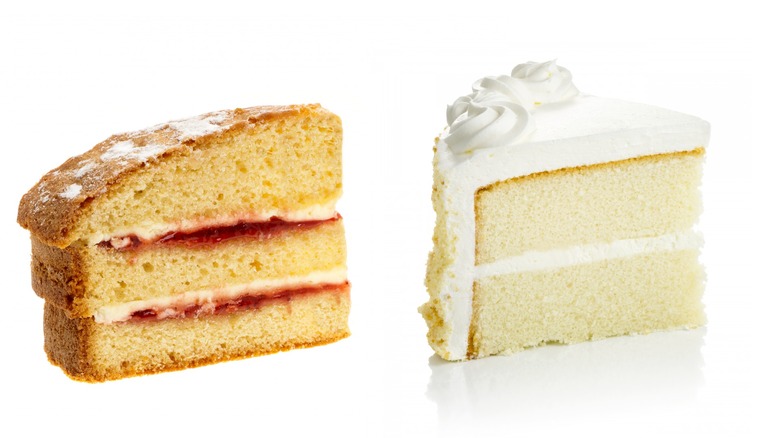
Let’s be honest: walking into a bakery and seeing a yellow cake next to a white cake can feel like a deliciously confusing moment. What’s the difference? Is one healthier? Does one taste like sunshine? Today, we’re cracking the code, and I promise it’s about to make your next dessert choice way more fun.
The Secret is in the Eggs (Yes, Really!)
Here’s the simple, game-changing truth: the difference is all about the eggs. Yellow cake uses whole eggs, including the yolks. White cake uses only egg whites, leaving the yolks out entirely.
That golden yolk is what gives yellow cake its warm color and a richer, almost buttery flavor. White cake, on the other hand, is a blank canvas—pure, fluffy, and pale as a cloud. It’s the egg whites that give it that delicate, airy crumb.
Must Read
So, if you see a cake that’s pale like snow, you know it’s a white cake. If it looks like a slice of morning sunshine, that’s your yellow cake. See? You’re already a cake detective!
Flavor Face-Off: Rich vs. Delicate
Now, let’s talk taste. Yellow cake has a noticeably richer flavor—think of it as the cozy, comforting hug of the cake world. The yolks add fat and emulsifiers that make it taste almost like a pound cake’s lighter cousin.
White cake? It’s more delicate and subtle. It’s not bland—it lets the frosting and fillings do the heavy lifting. You get a sweet, vanilla-forward bite with a texture that practically floats.
Which one wins? That’s like asking if coffee or tea is better! It all depends on your mood. Feeling bold and decadent? Go yellow. Want a light, elegant dessert? White cake is your hero.
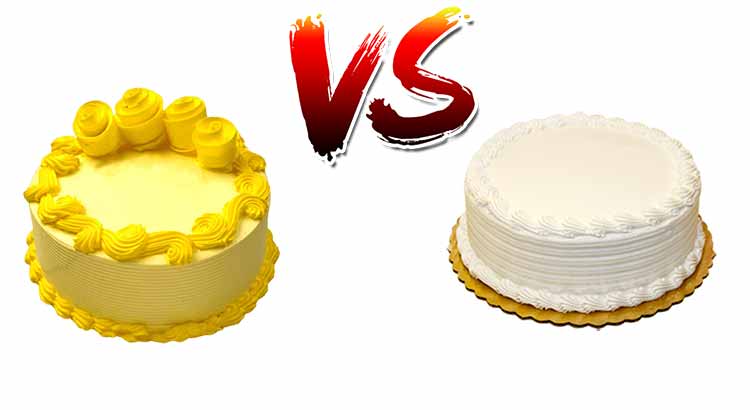 Yellow Cake vs Vanilla Cake (7 Differences Explained) - The Dough Academy
The Texture Twist: Moist vs. Fluffy
Texture is where things get really interesting. Yellow cake tends to be moister and denser—but not heavy! The fat from the yolks locks in moisture, making it perfect for stacking into tall, celebratory layers.
White cake is famously fluffy and airy, almost like a sponge. It’s a show-off for its tall, straight sides and delicate crumb. This makes it the classic choice for wedding cakes or any cake that needs to look pristine.
Here’s a pro tip: if you’re making a cake that will sit for a day (like for a party), yellow cake stays softer longer. White cake is best eaten on day one. Though, honestly, have you ever seen a cake last three days in a house with hungry people? I didn’t think so.
Why This Makes Life More Fun
Knowing the difference isn't just for baking nerds—it’s your secret weapon. Next time someone asks, “Which cake should we get?” you can confidently say, “Well, do we want a rich, nostalgic yellow cake or a light, elegant white cake?” You’ll sound like a genius.
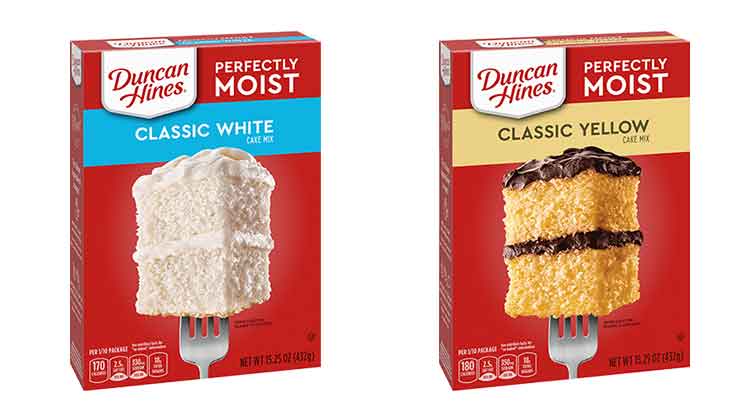 Yellow Cake Vs White Cake | Yellow Cake with Rich Chocolate Buttercream
It also unlocks a world of baking experiments. Want a more flavorful white cake? Try browning the butter first! Want a fancier yellow cake? Swap half the whole eggs for egg yolks only—it becomes even more decadent. The rules are there for you to play with.
And here’s a little known secret: red velvet cake is just a chocolate-flavored buttermilk cake with a little yellow cake in its DNA. See? This knowledge connects dots you never knew existed!
The Final Slice: No Wrong Answers
So, what’s the difference between yellow cake and white cake? It’s about choice. It’s about knowing that a single ingredient—the yolk—can completely change a cake’s personality. And that’s not just baking; that’s art.
Here’s the uplifting part: there is no wrong answer here. Whether you crave the richness of a yellow cake or the ethereal fluff of a white cake, you’re celebrating joy in a slice. Life is too short for bad cake, and now you know exactly how to avoid it.
So go ahead—pick a side. Or better yet, bake both. After all, the most inspiring thing you can do is never stop learning the sweet details. Because when you understand what makes two things different, you get to appreciate them both even more. And isn’t that what makes life delicious?
