Whats The Difference Between Waffle And Pancake Batter

There’s something deeply satisfying about a lazy weekend breakfast, and the great waffle versus pancake debate is a delicious part of it. This topic is enjoyable because it’s...
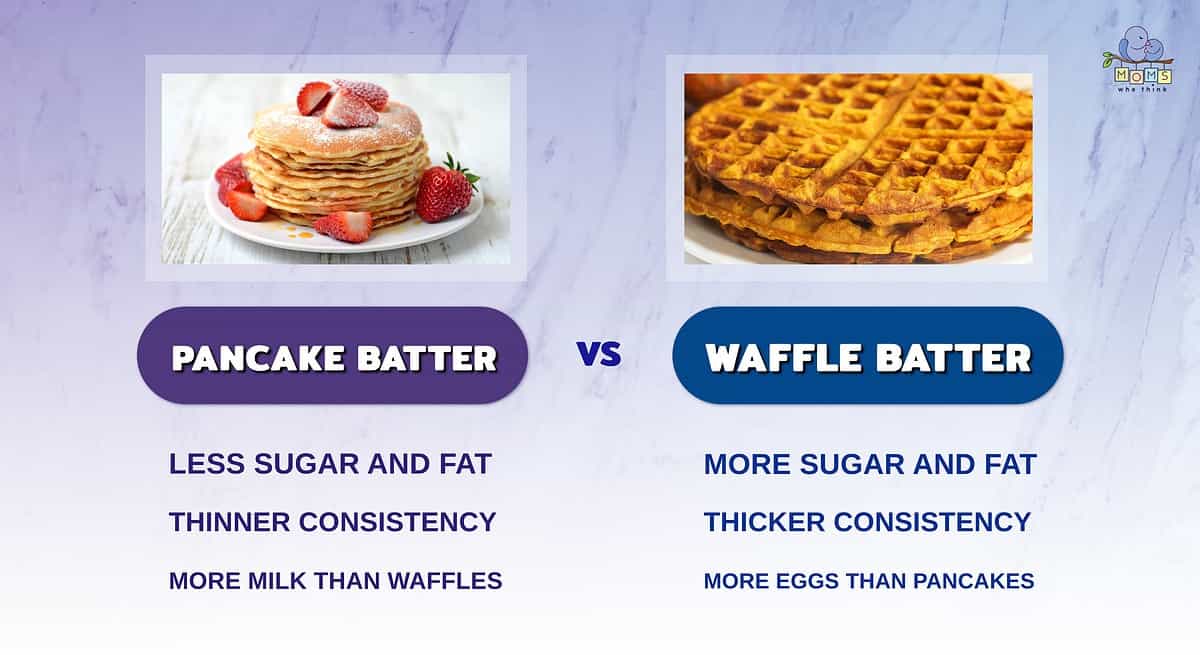
There’s something deeply satisfying about a lazy weekend breakfast, and the great waffle versus pancake debate is a delicious part of it. This topic is enjoyable because it’s practical—whether you’re a home cook, a brunch enthusiast, or a parent trying to please picky eaters, understanding the difference can elevate your morning meal. The main purpose here is to clear up the key distinction between two batters that look nearly identical but behave very differently. Getting this right means you’ll avoid soggy waffles or flat, dense pancakes. For example, a perfect waffle should be crisp on the outside and fluffy inside, while a great pancake is tender and evenly golden. Variations like buttermilk pancakes, Belgian waffles, or gluten-free versions all hinge on this same basic science.
The first and most crucial difference lies in the fat content. Waffle batter typically contains more fat—often melted butter or oil—than pancake batter. This extra fat is what gives waffles their iconic crispy exterior when cooked between hot irons. Pancake batter, by contrast, is leaner, which allows it to spread and cook flat on a griddle, resulting in a soft, cake-like texture. If you try to use pancake batter in a waffle iron, you’ll end up with a limp, greasy mess. As a rule of thumb, remember: more fat equals a crispier waffle.
Another major factor is the liquid ratio and leavening agents. Waffle batter is generally thicker and stiffer, with a higher ratio of flour to liquid. This thickness helps the batter hold its shape in the waffle iron without spilling over. Pancake batter is runnier, allowing it to spread evenly on a flat surface. For leavening, both use baking powder, but waffle recipes sometimes include beaten egg whites folded in at the end for extra lift and airiness. This creates those deep pockets that hold syrup and butter so well. Egg whites are a game-changer for waffle texture, while pancakes rely on a simpler, all-in-one mix.
Must Read
Sugar content also plays a role. Waffle batters often include a bit more sugar, which caramelizes at higher temperatures, adding both sweetness and a golden brown color. Pancake batters are usually less sweet because they’re meant to be topped with syrup, fruit, or whipped cream. If you’re making savory versions, like cornmeal waffles to go with fried chicken, you’d adjust the sugar downward. For pancakes, a little sugar helps with browning, but too much can make them burn on the griddle. The balance here is subtle but makes a noticeable difference in the final bite.
When it comes to cooking techniques, the equipment matters just as much as the batter. A waffle iron traps steam inside, which helps create that crisp crust, while a griddle or pan allows steam to escape freely, keeping pancakes soft. This means you can’t simply swap one for the other. A simple actionable tip: always preheat your waffle iron thoroughly before adding batter, and use a non-stick spray even if the iron claims to be non-stick. For pancakes, let the griddle reach a medium heat and wait until bubbles form on the surface before flipping—this ensures a fluffy interior.
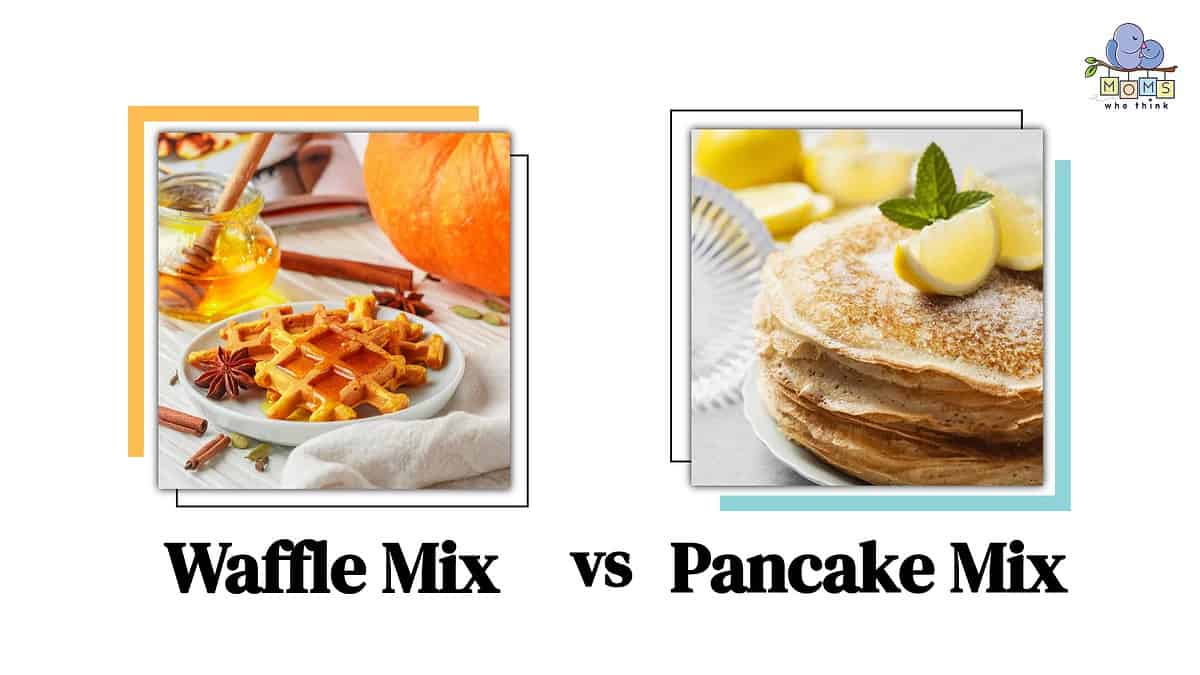 Pancake vs. Waffle Batter: Differences in Health and Appearance
If you’re new to making either, start with a trusted base recipe and experiment from there. For waffles, try a classic Belgian-style batter with separated eggs. For pancakes, a simple buttermilk recipe is forgiving and delicious. You can also make a hybrid “waffle-cake” by adding a bit more fat and sugar to pancake mix—but know it won’t be as crisp. The beauty of this topic is that you don’t need fancy skills, just curiosity. Once you understand the science, you can customize: add chocolate chips to waffles, blueberries to pancakes, or even swap in whole wheat flour for a heartier texture.
In the end, the difference between waffle and pancake batter comes down to a few intentional tweaks: more fat, thicker consistency, and often more sugar for waffles. But both are wonderful, and each has its place. So next weekend, don’t overthink it—just pick your tool, adjust your batter, and enjoy the process. Whether you’re a waffle devotee or a pancake purist, understanding these small changes lets you make the perfect version every time. And if you mess up? That’s just an excuse to eat the evidence.
