What's The Difference Between Vanilla And French Vanilla

You’re standing in the grocery aisle, staring at two bottles of extract. One says “Vanilla,” the other “French Vanilla.” What’s the real difference? Is it fancy French cows? A...
You’re standing in the grocery aisle, staring at two bottles of extract. One says “Vanilla,” the other “French Vanilla.” What’s the real difference? Is it fancy French cows? A secret recipe from Paris? Let’s dig in—without the stuffy food-science lecture.
The Short Answer: It’s Not About the Bean
Surprise: French vanilla doesn’t come from a French vanilla bean. Both extracts start with the same Vanilla planifolia orchid. The magic happens in how they’re made—and what gets added.
Regular vanilla extract is plain, pure, and straightforward. French vanilla, on the other hand, is a blend—usually combining vanilla extract with a few extra ingredients. Think custard notes, a touch of richness, and a creamy whisper.
Must Read
The Real Explainer: Custard vs. Candy
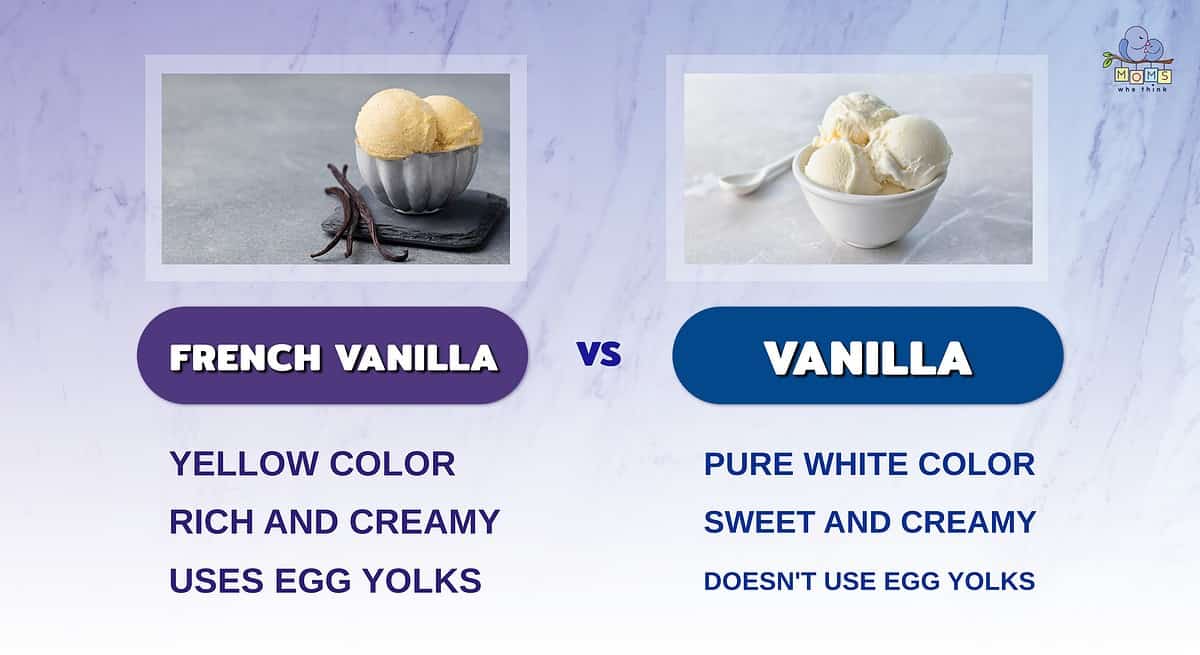
Here’s the fun part. French vanilla actually refers to a style of custard used in classic French ice cream. That custard (crème anglaise, if you’re feeling fancy) uses egg yolks, which give it a golden hue and velvety texture.
So when you buy “French vanilla” ice cream or extract, you’re tasting vanilla plus egg yolk notes. It’s richer, slightly buttery, and unmistakably dessert-like. Regular vanilla is simpler—like a clean, floral whisper without the creamy hug.
Let’s Compare: A Taste Test in Your Head
Imagine regular vanilla as a bright, sunny day. It’s pure, honest, and goes with everything—like a white t-shirt. French vanilla is that same shirt, but with a cashmere scarf and a little gold pin. It’s cozy, indulgent, and a bit dressy.
Now think about your favorite vanilla cupcake. Regular vanilla frosting tastes light and sugary. French vanilla frosting? It has that hidden eggy richness that makes you go, “Wait, is this custard?” Exactly.
Why Does French Vanilla Smell Different?
Your nose knows. French vanilla often adds ethyl vanillin, a synthetic compound that smells sweeter and creamier than natural vanilla. It’s like the difference between a fresh, green strawberry and a jam-filled strawberry candy.
 what is the difference between vanilla and french vanilla flavor
Brands use this to mimic that egg-custard aroma you can’t get from plain beans. So French vanilla scented candles? They’re usually 100% ethyl vanillin—no egg yolks, just clever chemistry. Smells delicious, though, right?
The Ice Cream Connection: A Great Example
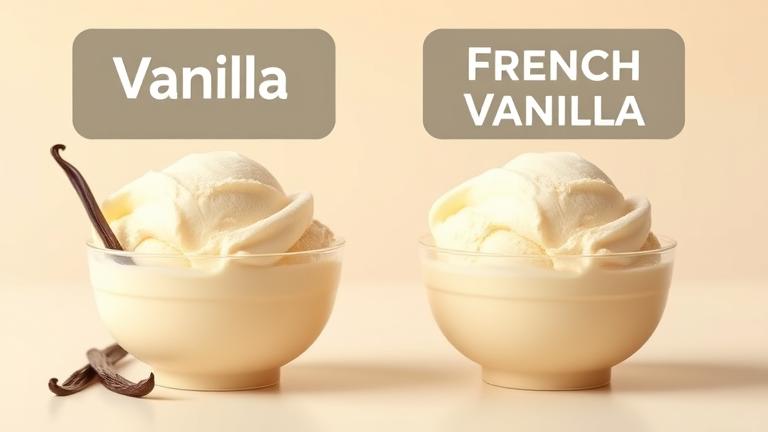
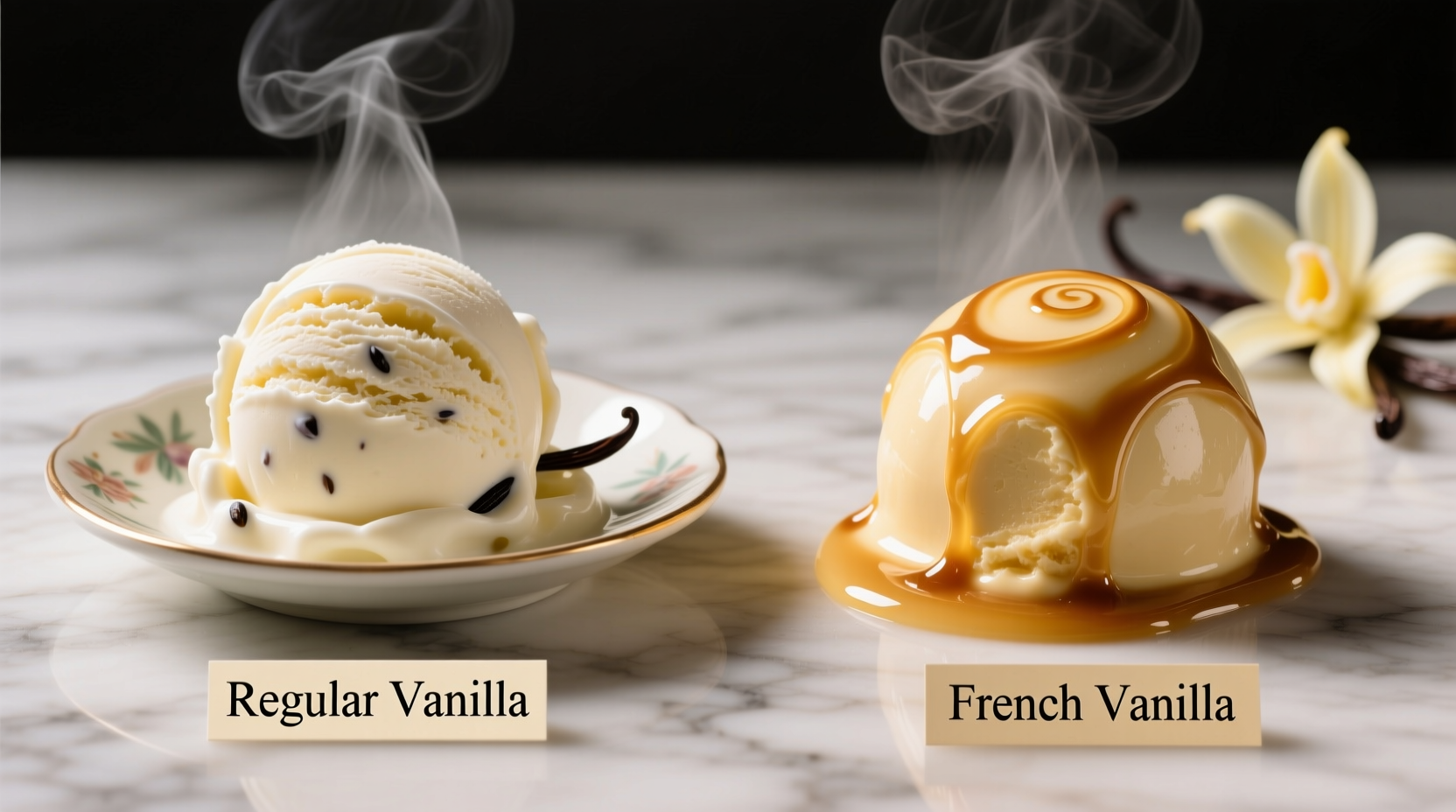
Grab a scoop of plain vanilla ice cream. It’s light, milky, and pure. Now grab French vanilla: it’s yellower (hello, egg yolks!), denser, and tastes almost like a frozen pudding.
That yellow color is a dead giveaway. Regular vanilla is off-white. French vanilla is a warm, buttery gold. See the difference? Your spoon already knew.
When Should You Use Each One?
Use regular vanilla extract when you want the pure, true flavor of the bean to shine. Think sugar cookies, blondies, or a simple glaze. It’s the supporting actor that doesn’t steal the show.
Reach for French vanilla when you want that extra oomph—pancakes, custard tarts, pound cakes, or anything that begs for creamy richness. It’s the star that takes a bow. Ever tried French vanilla in your coffee? Life-changing.
But Wait—Is French Vanilla Even French?
Here’s the twist: No, it’s not French in origin. The name comes from the French method of making ice cream (with egg yolks), not from France itself. Madagascar and Tahiti grow most of the world’s vanilla, not France.
 French Vanilla vs Regular Vanilla: Taste Differences Explained
So when you buy “French vanilla extract” at the store, you’re buying a style, not a geographic location. It’s like calling a dish “French toast”—it’s a technique, not a country. Kind of hilarious, isn’t it?
A Fun Party Fact: Vanilla vs. Vanillin
Natural vanilla extract contains hundreds of compounds. Vanillin is just one of them (the main one, but still). French vanilla often adds extra vanillin to boost that sweet, creamy slap.
That’s why French vanilla products smell so much stronger than the real thing. It’s like the difference between a single flower and a whole bouquet—both lovely, but one hits you differently. Which do you prefer? No wrong answer.
The Bottom Line: Choose Your Adventure
You don’t need a chemistry degree to pick the right one. Regular vanilla = clean, floral, versatile. French vanilla = rich, custardy, indulgent. Both are delicious—they just have different personalities.
So next time you’re baking, ask yourself: Do I want a gentle hug or a creamy kiss? Your taste buds will thank you. And hey, now you can impress your friends with the egg-yolk secret. You’re welcome.
P.S. — If you see “Madagascar vanilla” or “Tahitian vanilla,” that’s a whole other story. But that’s for another cozy blog post, right?
