What's The Difference Between Udon And Ramen

Japanese noodle cuisine has captivated food lovers around the globe, and two of its most iconic offerings — udon and ramen — often leave diners wondering what truly sets them...

Japanese noodle cuisine has captivated food lovers around the globe, and two of its most iconic offerings — udon and ramen — often leave diners wondering what truly sets them apart. Both are warm, comforting bowls of noodles in savory broth, yet they represent distinct culinary traditions, preparation methods, and eating experiences. Understanding the difference between these two staples not only deepens your appreciation for Japanese food but also helps you make more confident choices when browsing a Japanese restaurant menu or cooking at home.
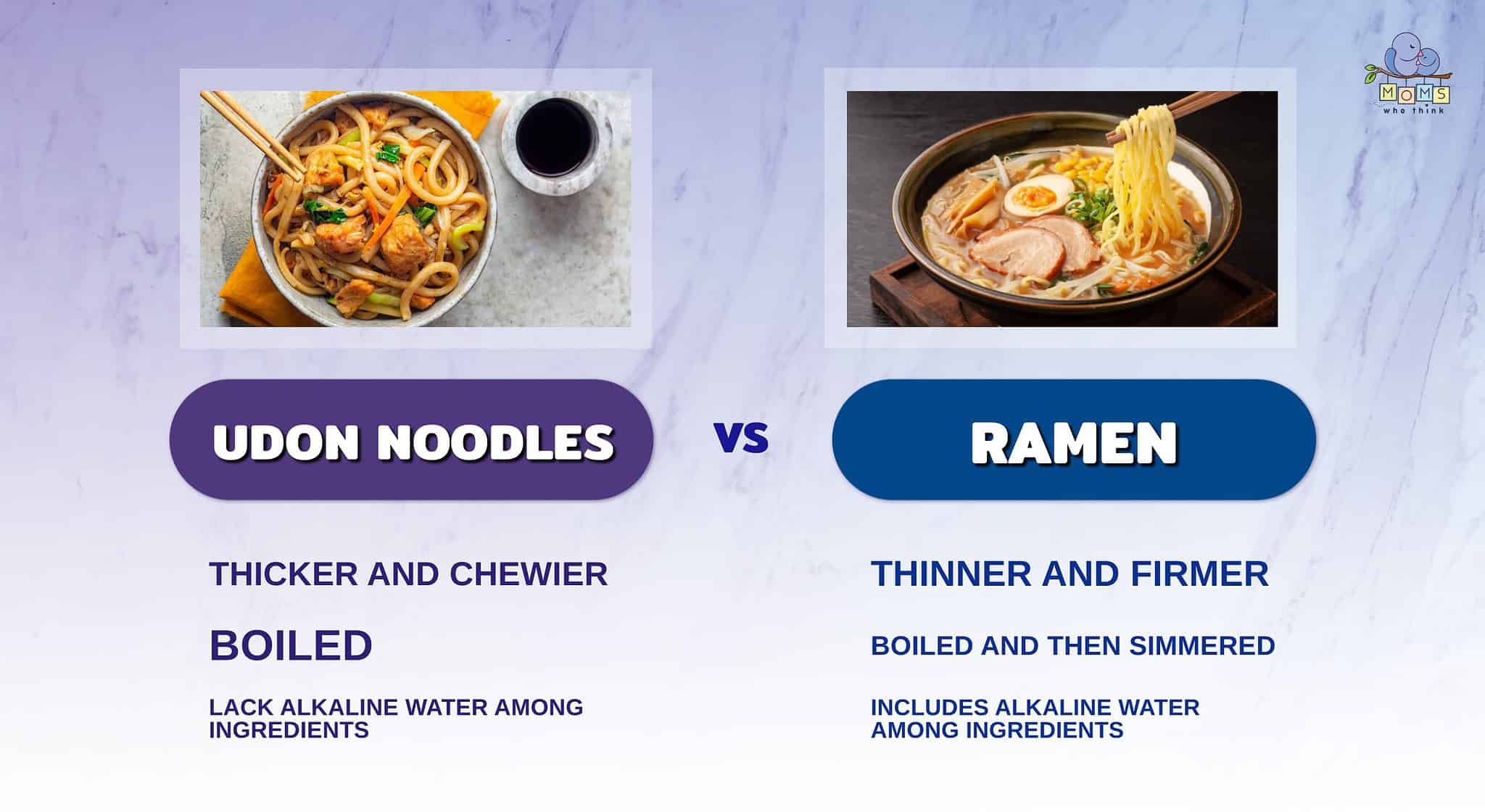
The most immediately noticeable difference lies in the noodles themselves. Udon noodles are thick, white, and chewy, made primarily from wheat flour, salt, and water. Their plump, pillowy texture gives each bite a satisfying weight and bounce. Ramen noodles, on the other hand, are thinner, springy, and typically made with wheat flour, water, and alkaline mineral water known as kansui, which gives them a slightly yellowish color and a firmer, more elastic chew. Ramen noodles are also often categorized as either fresh or dried, while udon ranges from mass-produced dried varieties to artisanal fresh noodles found at traditional udon shops across Japan.
The broth and toppings further separate these two beloved dishes. Udon is commonly served in a light, clear soup made from dashi (a broth based on kombu seaweed and katsuobushi bonito flakes) seasoned with soy sauce or miso. Toppings tend to be simple and elegant — green onions, tempura, kamaboko fish cake, or a soft-boiled egg. Ramen, by contrast, boasts notoriously rich and complex broths that simmer for hours. Tonkotsu (pork bone), shoyu (soy sauce), miso, and shio (salt) are the four major ramen styles, each with its own devoted fanbase. Ramen toppings are typically more elaborate, featuring chashu pork, nori, bamboo shoots, corn, butter, or seasoned eggs.
Must Read
The regional and cultural context of each dish also plays a role. Udon holds deep roots as everyday home cooking and is beloved in regions like Kagawa Prefecture — often called the "Udon Prefecture" — where locals consume udon more than rice. It is seen as unhurried, homestyle comfort food. Ramen, meanwhile, carries a more urban, late-night identity. Originating from Chinese wheat noodle soups imported to Japan, ramen evolved into a globally celebrated phenomenon, with whole shops dedicated to a single style. Events like local ramen festivals and competitive rankings show how passionately people debate their favorite bowls.
For everyday life, knowing the difference between udon and ramen can simplify your dining decisions. If you are craving something lighter, gentle, and easy on the stomach — perhaps on a cold morning or after a long day — udon is your goto. If you want bold, intense flavors and a more indulgent experience, ramen will satisfy that urge. For home cooks, udon is generally easier to prepare because the broth requires minimal simmering, while ramen often demands more advanced techniques and longer cooking times.
 Ramen Noodle vs Udon Noodle: Differences and Similarities – THE PLANT
If you want to explore both dishes on your own, here are a few simple tips. First, visit a Japanese grocery store and pick up fresh udon and ramen noodle packages along with miso paste and dashi — you can build simple bowls at home in under 30 minutes. Second, when dining out, ask the server to recommend the dish's signature style so you can experience the most authentic version. Third, don't hesitate to try baran-style udon from a vending machine in Japan or a tonkotsu ramen at a specialist shop — each experience will sharpen your understanding of what makes them unique.
In the end, both udon and ramen represent Japan's masterful ability to turn humble noodles into extraordinary culinary art. Rather than choosing one over the other, consider them two complementary expressions of comfort — one soft and quiet, the other bold and robust — waiting to be savored whenever the mood strikes.