What's The Difference Between Sour Cream And Yogurt

Few kitchen staples offer the creamy, tangy versatility of sour cream and yogurt. Both bring a luscious texture and a subtle zing to everything from a baked potato to a mornin...
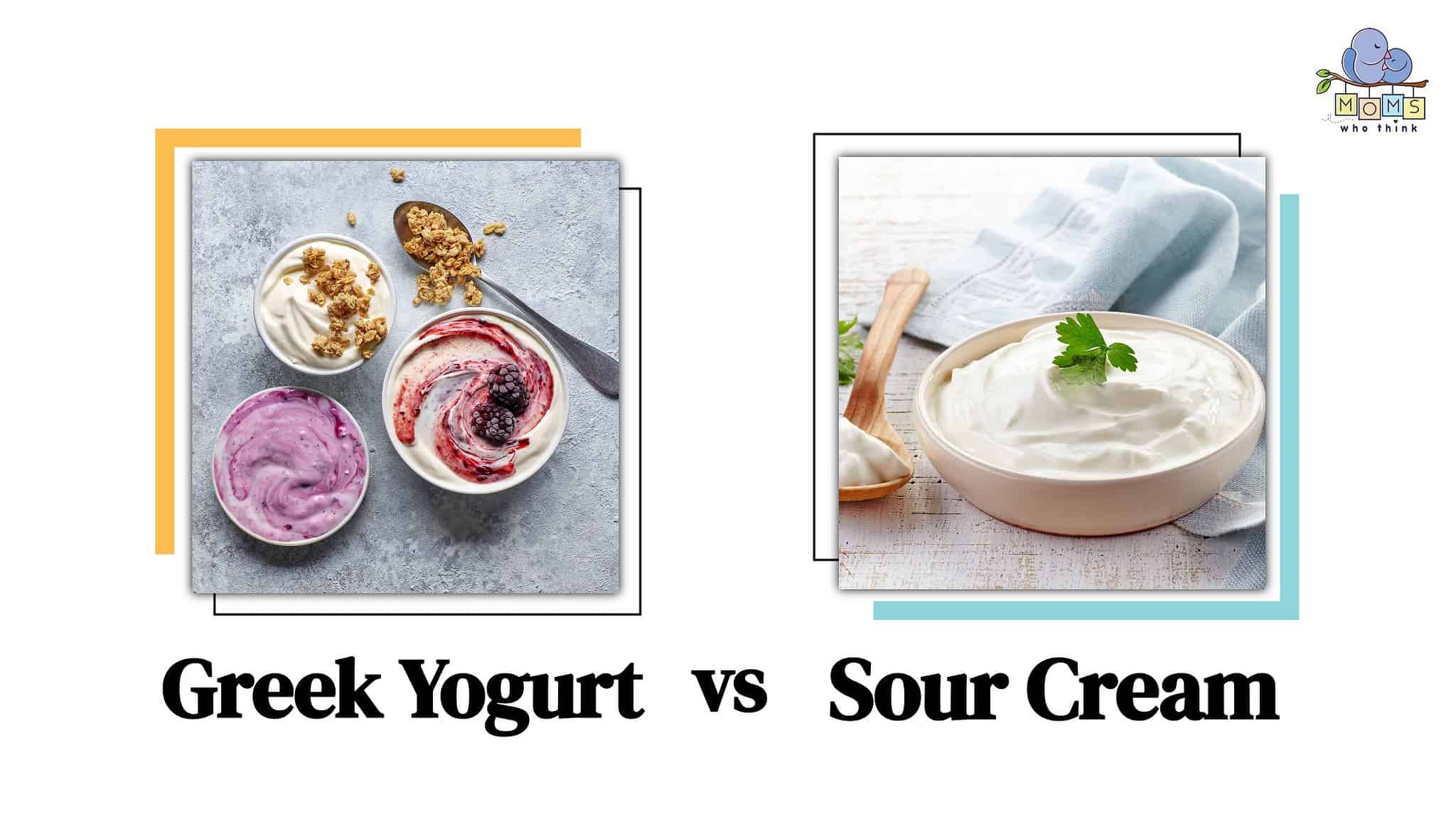
Few kitchen staples offer the creamy, tangy versatility of sour cream and yogurt. Both bring a luscious texture and a subtle zing to everything from a baked potato to a morning smoothie, making them indispensable for everyday cooking and snacking. People value them because they instantly elevate a dish, adding richness without overwhelming other flavors. Their key purpose is to act as a culinary transformer—thickening sauces, tenderizing baked goods, and providing a cooling contrast to spicy foods. For busy home cooks, keeping both on hand means having a simple way to turn a plain meal into something more satisfying, whether it’s a dollop on chili or a base for a quick dip.
The fundamental difference lies in how they are made. Sour cream is produced by adding lactic acid bacteria to light cream (containing about 18-20% milkfat). This fermentation thickens the cream and gives it that characteristic tang. Yogurt, on the other hand, is made by fermenting milk—which can be whole, low-fat, or skim—with different bacterial strains, typically Lactobacillus bulgaricus and Streptococcus thermophilus. This process creates a thicker, often more tart product with a considerably lower fat content. This difference in base ingredients is the primary reason for their distinct textures and nutritional profiles.
The most obvious divergence for the casual cook is fat content and consistency. Sour cream is noticeably richer due to its cream base, boasting around 20% milkfat, which gives it a smooth, spoonable, and dense texture that holds its shape well. Yogurt, particularly non-fat or low-fat varieties, is lighter and more watery. Greek yogurt, which is strained to remove whey, achieves a thickness closer to sour cream but lacks the same indulgent mouthfeel. If a recipe requires richness—like a creamy stroganoff or a velvet-textured cake—sour cream is often the superior choice. For a lighter, protein-packed base (like a marinade or breakfast bowl), yogurt wins.
Must Read
Nutritionally, they serve different daily needs. Yogurt is renowned for its high protein content, especially Greek yogurt, which can pack 15–20 grams of protein per serving. It also contains live probiotics that support gut health, making it a favorite for a nourishing start to the day. Sour cream is lower in protein and probiotics but is a good source of healthy fats and fat-soluble vitamins like A and D. For someone seeking a post-workout snack or a digestion-friendly meal, yogurt is the clear winner. However, for adding a satisfying richness to a dish without a sugary or fruity flavor—think loaded baked potatoes or tacos—sour cream’s fat content provides a satiating and flavor-boosting effect that yogurt cannot replicate.
Flavor and reaction to heat further set them apart. Sour cream has a mild, clean tang that is less acidic than many yogurts. Crucially, it is more heat-stable; when stirred into a hot sauce, it is less likely to curdle than yogurt, which can separate and become grainy when boiled. This makes sour cream the reliable choice for finishing soups, gravies, and baked casseroles. Yogurt’s sharper acidity and thinner consistency mean it's best used in dishes that are cooked gently (like a yogurt-marinated chicken) or served cold (like a cucumber salad). A wise tip: if a hot dish calls for yogurt, stir it in off the heat to preserve its smooth texture.
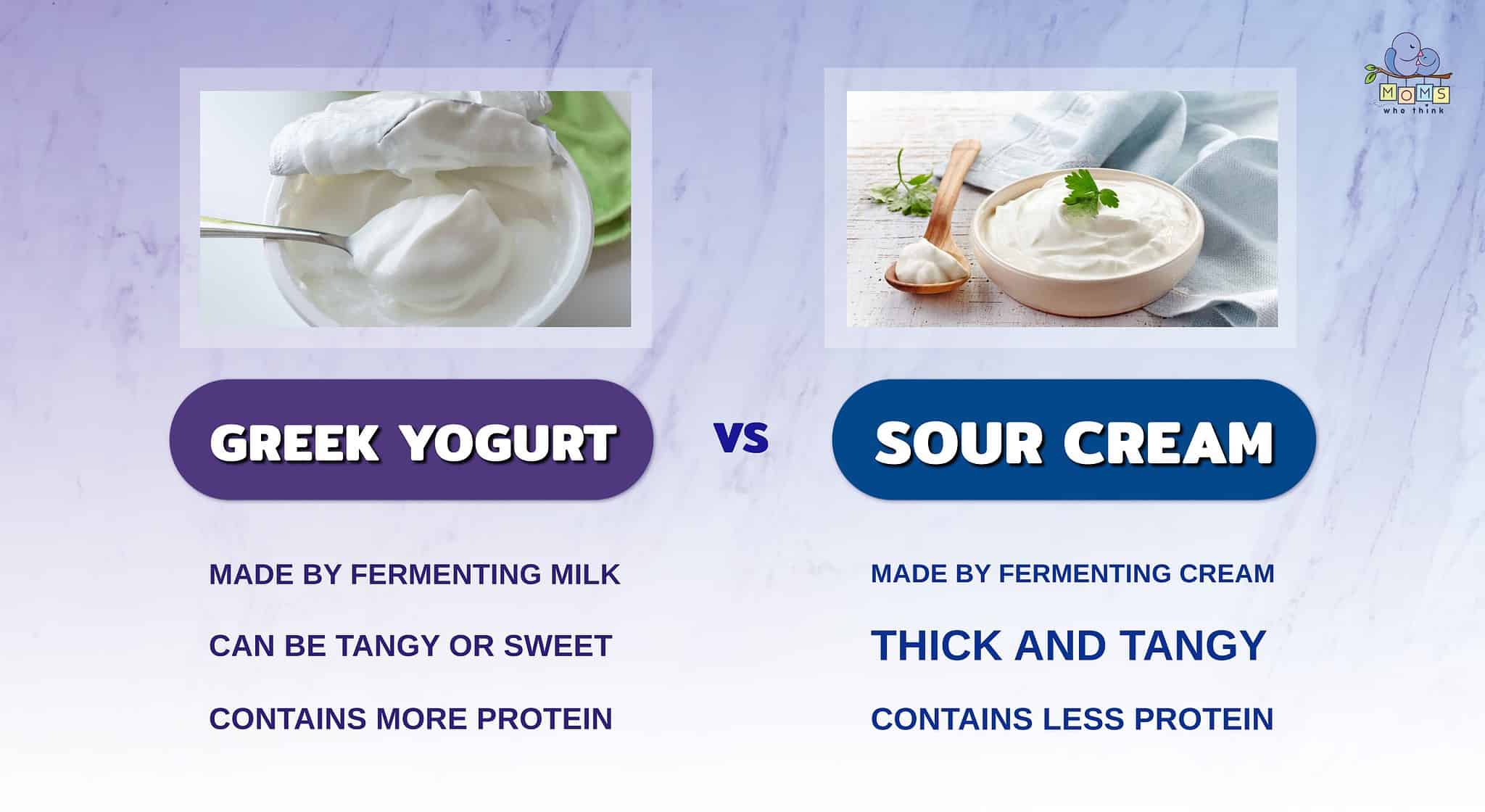 Greek Yogurt vs. Sour Cream: Which is Healthier and How Do They Compare?
In the kitchen, they are not always interchangeable, but they can be swapped with careful adjustments. For example, if a muffin recipe calls for plain yogurt but you only have sour cream, you can substitute it 1:1—though the result will be slightly richer and less tangy. Conversely, using Greek yogurt in place of sour cream for a dip works well, but you may need to add a teaspoon of lemon juice or vinegar to mimic sour cream’s brightness. A simple rule: use yogurt when you want protein and lower fat (smoothies, parfaits, dressings). Use sour cream when you need richness and stability (baked goods, creamy dips, saucy tacos). Knowing this distinction prevents culinary disappointment.
To explore this difference on your own, try a simple side-by-side tasting. Place a spoonful of full-fat sour cream next to one of plain whole-milk yogurt (not Greek). Note the sour cream’s silky dense feel on your tongue versus yogurt’s lighter, thinner, more acidic profile. Then, stir each into a simple mash—like cooked potatoes or refried beans—and observe how each alters the texture and taste. For a practical tip, use sour cream to enrich a batch of pancakes for tender, fluffy results, and use yogurt to create a quick, protein-packed ranch dip by mixing it with herbs and garlic powder. These small experiments reveal why both deserve a place in your refrigerator, each with its own unique purpose.

