What's The Difference Between Potstickers And Dumplings

Let’s be real—dumplings are basically a global obsession, and potstickers are the crispy-bottomed rock stars of the family. Knowing the difference isn’t just chef trivia; it’s...
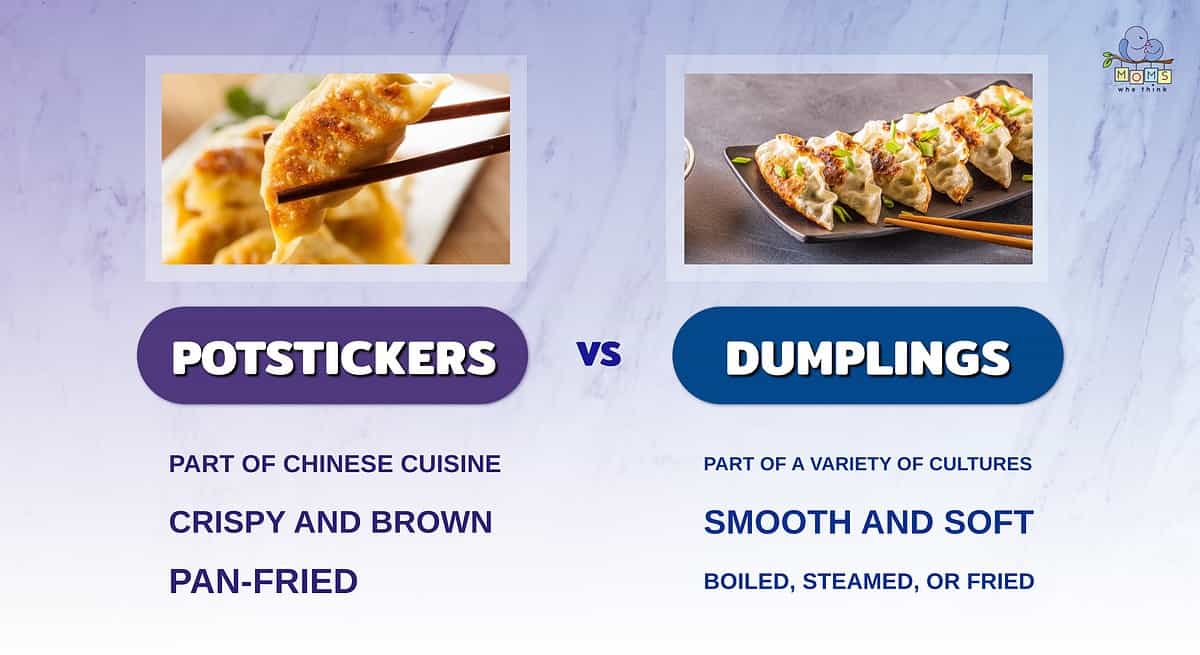
Let’s be real—dumplings are basically a global obsession, and potstickers are the crispy-bottomed rock stars of the family. Knowing the difference isn’t just chef trivia; it’s the key to ordering with confidence at your favorite takeout spot or nailing a homemade dinner that actually impresses your in-laws. For families, this knowledge means fewer “what’s for dinner?” arguments and more “these are amazing” compliments. For dinner party hosts, it’s a surefire way to look like you’ve got culinary superpowers without spending all day in the kitchen.
Here’s the core truth: all potstickers are dumplings, but not all dumplings are potstickers. Think of dumplings as the big-tent category—they’re any filled dough parcel (think Chinese jiaozi, Polish pierogi, or Italian ravioli) that’s boiled, steamed, or fried. Potstickers, however, are a specific style: they’re pan-fried on one side until crispy and golden, then steamed with a splash of water to cook the top. That contrast—crunchy bottom, tender top—is their entire identity.
Why does this matter for you? Because ordering at a restaurant or a grocery store becomes a stress-free zone. Picture this: your friend says, “I love potstickers,” and you can nod confidently and say, “Me too—especially the ones with the crispy lace from the pan.” At home, you avoid the tragedy of boiling a bag of frozen potstickers (which wastes their signature texture) instead of giving them that essential pan-sear. That one small choice turns a sad weeknight meal into a family favorite everyone cheers for.
Must Read
Real-life example: my neighbor Sarah used to think potstickers were just “fancy dumplings.” One Sunday, she accidentally boiled a batch for her kids, and they all said, “These are soggy—yuck.” The next week, she followed a simple pan-fry method, and her six-year-old declared, “These are the best things ever!” Now she hosts “potsticker parties” where friends gather to fold and fry together—a community tradition born from just knowing the difference.
Another classic scenario: you’re at a dim sum brunch with a group. The cart comes around, and the server says, “Har gow, siu mai, potstickers?” If you know that potstickers are the ones with the crispy, browned belly, you’ll grab the plate without hesitation. Your friends might look lost, but you’ll be the one splitting the batch with a knowing smile. That tiny bit of expertise turns a simple meal into a shareable win for everyone at the table.
 Dumplings vs Potstickers: The Distinction Between These Delicious Foods
Here’s a practical suggestion for your next kitchen adventure: when you buy frozen dumplings, always check the label for “potsticker” or “pan-fry.” If you want that iconic crunch, don’t boil them—just heat a skillet with oil, place them flat-side down (usually the unpleated side), cook until the bottoms are deep brown, then add a few tablespoons of water, cover, and steam until they’re translucent. Pro tip: serve them with a mix of soy sauce, rice vinegar, and a drop of chili oil—the tang cuts through the richness like a dream. For a fun twist, try a family potsticker bar: set out fillings like pork-and-chive, shrimp, or mushroom, and let everyone fold their own. Kids love making “ugly” ones, and you get a community-building activity that’s better than any board game.
In the end, the difference between potstickers and dumplings isn’t just a technicality—it’s a way to bring joy to your table. Whether you’re feeding a crowd or just yourself, understanding that one has a crispy soul and the other can be soft and soupy (like xiao long bao) makes every bite more intentional. So next time you’re craving comfort food, grab a pack of potstickers, fire up that pan, and listen for the sizzle. That’s the sound of you winning dinner.

