What's The Difference Between Plain Salt And Iodized Salt

So, you're standing in the supermarket aisle, staring at the salt section like it's a game of 'Which One Is Different?' Well, let me spill the beans, because this isn't your a...
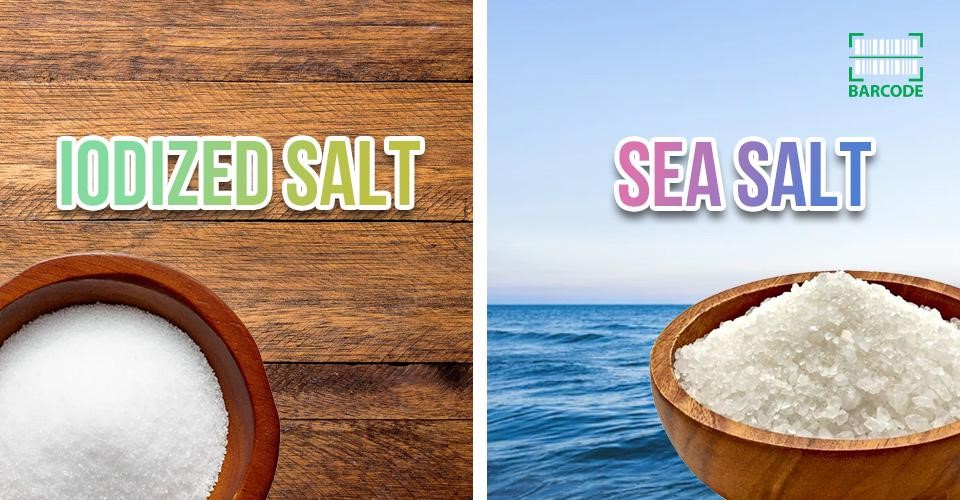
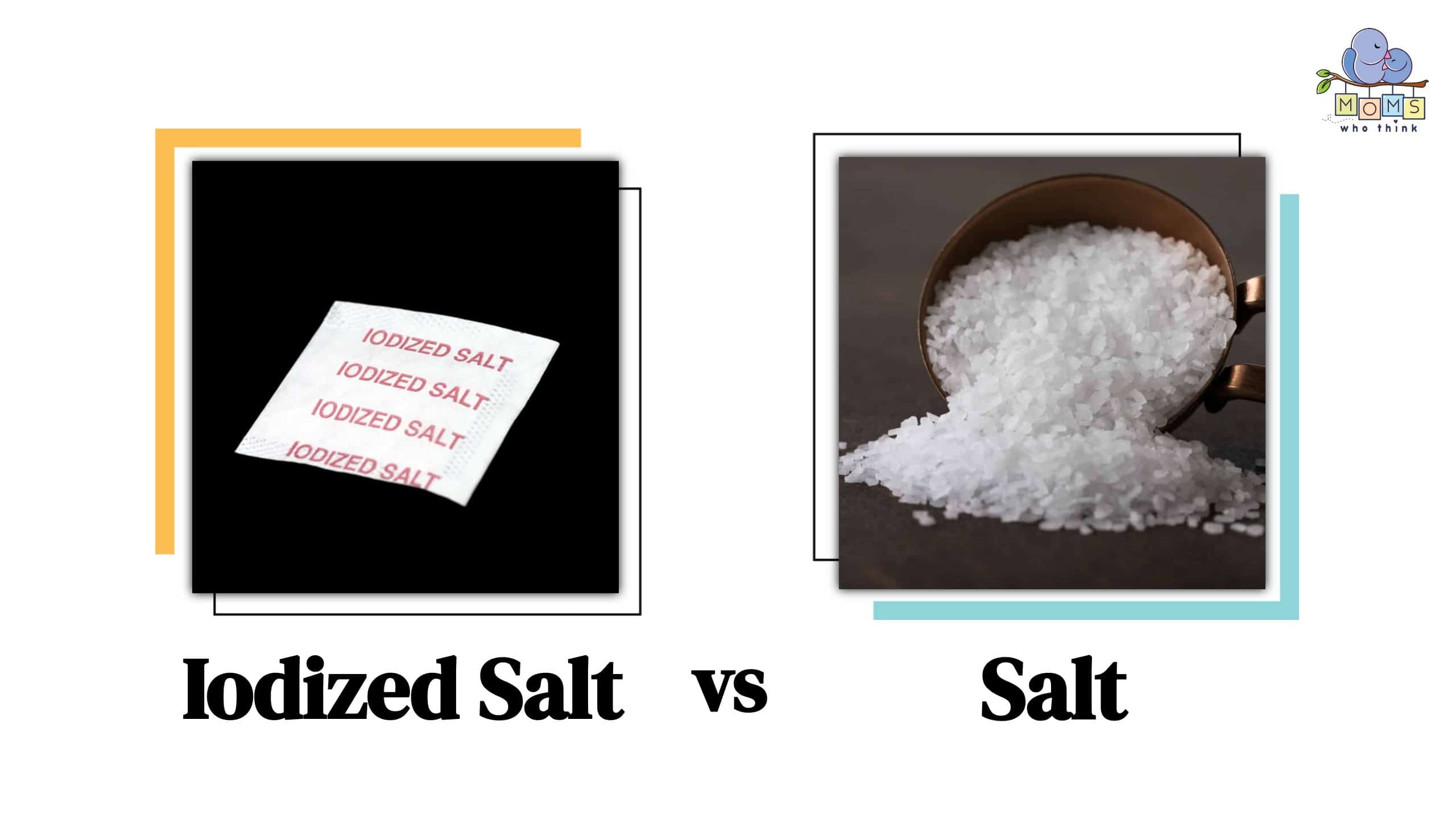
So, you're standing in the supermarket aisle, staring at the salt section like it's a game of 'Which One Is Different?' Well, let me spill the beans, because this isn't your average 'Spot the Difference' game. Today, we're talking about the great salt debate: Plain Salt vs. Iodized Salt. Buckle up, folks, 'cause it's about to get as salty as a bag of chips at a movie theater.
Plain Salt: The OG of the Salt World
Alright, let's start with the salt that's been around since the dawn of time (or at least since someone figured out that food tastes better when it's not just rocks and twigs). I'm talking about plain salt, also known as 'table salt'. This guy has been chilling in our kitchens for centuries, making our food taste awesome and our tears salty.
Plain salt is just sodium chloride, which is basically the salt version of a Hollywood couple - it's always together, and you can't have one without the other. It's mined from the earth, crushed, and then refined to get rid of any impurities. It's like the salt version of a makeover - it looks better, but it's still the same old salt at heart.
Must Read
Iodized Salt: The Superhero of the Salt World
Now, let's talk about the salt that's been saving the day since the 1920s. That's right, folks, I'm talking about iodized salt. This salt is like the Clark Kent of the salt world - it might look like plain old salt, but it's got a secret power.
Iodized salt is plain salt with a little something extra: iodine. Iodine is a mineral that our bodies need to function properly. It's like the salt version of a superhero sidekick - it might not be as famous, but it's just as important. Iodine helps our thyroid glands work properly, and it's especially important for pregnant women and babies.
So, how did we figure out that salt needed a superhero sidekick? Well, it turns out that goiter - a swelling of the neck due to iodine deficiency - was a big problem in some areas. People were walking around looking like they had a second chin, and it wasn't because they were eating too many salted caramel ice creams. Gross, right? So, the government stepped in and started adding iodine to salt to help prevent this from happening. Problem solved!
So, Which Salt Should You Choose?
Alright, so now you're probably thinking, 'Okay, Iodized Salt sounds like the winner here. It's got a superhero sidekick, and it's saving people from goiter. I'm sold!' But hold your horses, folks. It's not that simple.
While iodized salt is great for preventing iodine deficiency, it's not necessarily the best choice for everyone. Some people are actually allergic to iodine, and consuming too much of it can be harmful. Plus, some people prefer the taste of plain salt, and that's totally okay too. It's all about personal preference and what works best for your body.
And let's not forget about the salt alternatives out there. We've got sea salt, Himalayan salt, and even black salt. It's like the salt version of a buffet - there are so many options, it's enough to make your head spin.
 Salt Lake County Court Calendar - prntbl.concejomunicipaldechinu.gov.co
Salt Alternatives: The Wild Cards of the Salt World
So, what about these salt alternatives? Are they just trying to be the cool new kids on the block, or do they have something special to offer? Well, it depends on who you ask. Some people swear by the health benefits of these salts, while others think they're just a fancy way to charge more money for the same old sodium chloride.
Take Himalayan salt, for example. It's mined from ancient salt deposits in the Punjab region of Pakistan, and it's often pink in color. Some people claim that it has all sorts of health benefits, like improving digestion and balancing your body's pH levels. But the truth is, it's still mostly just sodium chloride, with a few trace minerals thrown in for good measure.
And then there's sea salt. It's made from the evaporation of seawater, and it often contains minerals like magnesium, potassium, and calcium. But here's the thing: those minerals are usually in such small amounts that they don't make a big difference to your health. It's like ordering a fancy cocktail and being disappointed when you realize it's mostly just ice and garnish.
The Bottom Line: It's All About Balance
So, what's the moral of the story here? Is there a clear winner in the great salt debate? Well, folks, I hate to break it to you, but there's no one-size-fits-all answer. The best salt for you is the one that you enjoy and that fits into a balanced diet.
Whether you're team plain salt or team iodized salt, the most important thing is to not go overboard. Too much salt can lead to high blood pressure, kidney problems, and other health issues. So, next time you're at the supermarket, don't stress too much about which salt to choose. Just remember the golden rule: everything in moderation.
And if you're still feeling confused, just remember this: salt is like the spice of life. It might not be the most exciting thing in the world, but it sure makes everything else taste a whole lot better. So, go forth and salt your food to your heart's content. Just don't forget to share the salt shaker with your friends. After all, sharing is caring, and salt is one thing we can all agree on.
