What's The Difference Between Pickles And Gherkins

So, you’re standing in the grocery aisle, staring at a jar of something green and bumpy. Your brain asks, “Is this a pickle or a gherkin?” And honestly, you’re not alone. Let’...
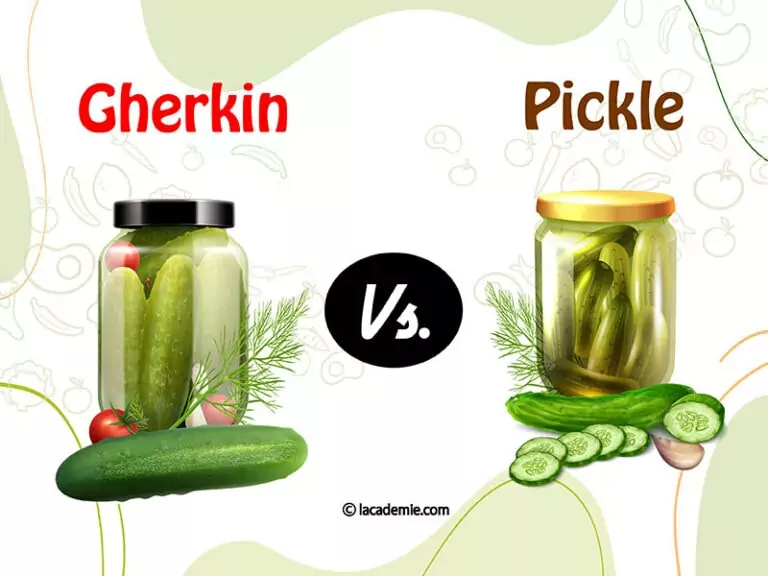
So, you’re standing in the grocery aisle, staring at a jar of something green and bumpy. Your brain asks, “Is this a pickle or a gherkin?” And honestly, you’re not alone. Let’s peel back the brine and get to the crunchy truth.
Wait, aren’t they the same thing?
Not quite. Think of it like this: all gherkins are pickles, but not all pickles are gherkins. It’s kind of like squares and rectangles—confusing at first, but simple once you break it down.
The key difference is the cucumber itself. Pickles can be made from any small cucumber, but gherkins come from a specific type: Cucumis sativus variety, usually the West Indian or Burr Gherkin. These little guys are naturally bumpy, stubby, and perfect for snacking.
Must Read
Most of the time, what you buy as “dill pickles” are just regular cucumbers that have been pickled. Gherkins are a specific, miniature cucumber designed to be pickled whole, with their bumpy skin intact.
Size matters here—literally
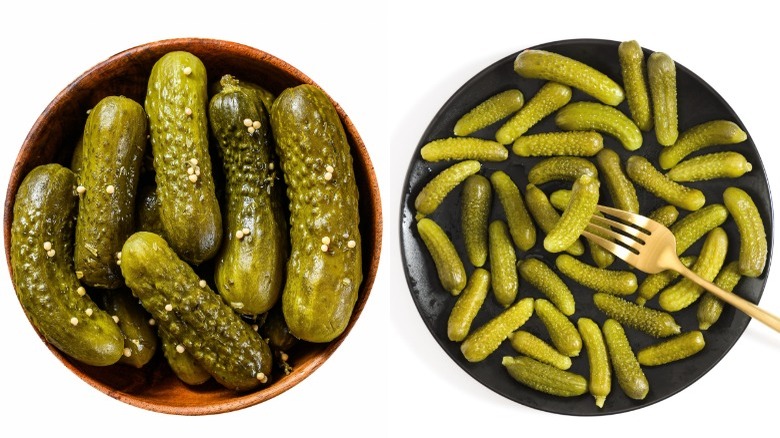
Have you ever noticed that gherkins are usually tiny, like little green thumbs? That’s not an accident. They’re harvested when they’re about one to three inches long. Regular pickling cucumbers can grow much larger, often sliced into spears or chips.
Why so small? Because the smaller the cucumber, the crispier the pickle. Gherkins are prized for their snap. You bite into one, and it’s like a tiny, tart firecracker in your mouth.
If you see a giant, lumpy pickle that looks like a prehistoric vegetable, it’s probably a standard cucumber that got left on the vine too long. Gherkins are the cute, baby versions that chefs love.
But what about the taste? Are they spicier?
Actually, the flavor difference is subtle. Gherkins are often pickled with a sweeter or more spiced brine. Think dill, garlic, mustard seeds, and sometimes a hint of sugar. This makes them tangy with a little kick.
Regular dill pickles tend to lean toward a sharper, more straightforward sourness. But honestly, you can swap them in most recipes and nobody will shout at you. The real magic is in the texture—gherkins stay crunchier because their skin is thicker relative to their size.
So if you want that satisfying crunch-crunch that echoes in your ears, go for gherkins. If you want a big, juicy spear to dip in ranch, grab a classic dill pickle. Simple, right?
A fun cultural twist: the “cornichon” connection
Here’s where it gets cool. In fancy restaurants or French bistros, you might see tiny pickles called cornichons. Guess what? Cornichons are technically gherkins—specifically the French variety, picked even smaller and aged in tarragon vinegar.
 22 Foods And Drinks That Get Confused With Each Other
Meanwhile, in the UK and Australia, “gherkin” is often used as the general term for any pickled cucumber. And in the US? We just call everything “pickles” and leave the details to the food nerds. It’s a linguistic pickle, if you ask me.
So when you order a burger in London, you might get a gherkin on top. In New York, you get a dill pickle slice. Same idea, different names—both delicious.
Why should you even care?
Because knowing this makes you the cool, crunchy guru at your next barbecue. When someone says, “Pass the pickles,” you can casually ask, “Which kind—gherkins or regular?” Watch their face melt with confusion and respect.
Also, if you’re a fan of crudités platters or charcuterie boards, tiny gherkins are a game-changer. They’re the perfect bite-sized, low-calorie pop of acidity that cuts through rich cheese. Regular pickles are great, but they’re messy—dripping brine everywhere.
Gherkins are the neat freaks of the pickle world. They sit politely on the plate, never staining your shirt. Regular pickles are the party animals that get juice on the tablecloth. Which one are you today?
The bottom line? Don’t stress.
Look, the grocery store isn’t going to quiz you. If you pick up a jar labeled “gherkins,” you’re getting a specific, tiny, bumpy cucumber that’s been pickled. If you grab “dill pickles,” you’re likely getting a larger, smoother cucumber in brine.
Both are fermented (or vinegar-bathed) vegetables. Both are salty, tangy, and glorious. The only real difference is size, crispiness, and a dash of botanical snobbery.
So next time you’re munching on a gherkin, smile and think: “I’m eating a very specific little cucumber that earned its own name.” That’s pretty cool. And if you’re eating a dill pickle, just remember—you’re also eating a champion.
Now go dip that crunchy friend in some hummus. You’ve earned it.
