What's The Difference Between Oats And Oatmeal

Welcome, breakfast detectives and kitchen adventurers! Have you ever stood in the grocery aisle, scratching your head over two seemingly identical boxes—one labeled “Oats” and...
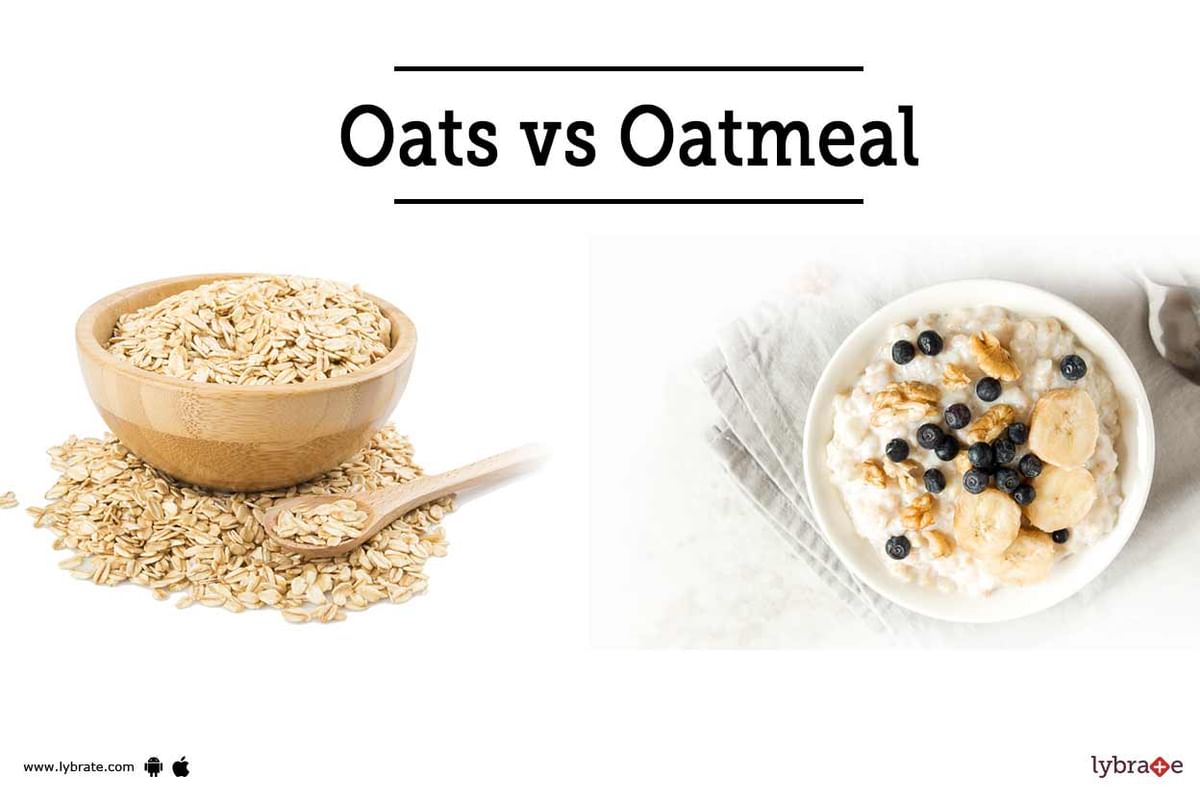
Welcome, breakfast detectives and kitchen adventurers! Have you ever stood in the grocery aisle, scratching your head over two seemingly identical boxes—one labeled “Oats” and another shouted “Oatmeal”? You are not alone. This is a delicious mystery, and solving it is like unlocking a secret superpower for your morning routine. Understanding the difference is surprisingly practical: it helps you choose the right texture for your favorite recipes, saves you from a soggy disaster, and even boosts your nutrition game. Imagine whipping up creamy porridge, chewy cookies, or crunchy granola—all starting from the same humble grain. Let’s dive into this fun, fluffy breakdown, and soon you’ll be the oat-whisperer in your own kitchen.
First, let’s get the core fact straight: oats are the whole grain, and oatmeal is the product you make from them. Think of oats as the raw material—a sturdy, natural seed that comes straight from the plant. Oatmeal, on the other hand, is the final dish you eat. It’s like the difference between wheat berries and a fluffy loaf of bread. However, the confusion triples because “oatmeal” is also used on labels to describe the processed oats you buy in a canister. So, when you see “oatmeal” on a package, it usually means rolled oats, steel-cut oats, or instant oats—all of which are types of oats that have been prepped for cooking. The key is remembering: oats grow; oatmeal is served.
The real fun begins when you explore the different forms of oats. Visit the grocery store, and you’ll spot three main players: steel-cut oats, rolled oats (also called old-fashioned), and instant oats. Steel-cut oats are the most whole—they’re just the whole oat groat chopped into tiny pieces with a steel blade. They take about 20–30 minutes to cook and reward you with a chewy, nutty texture. Rolled oats are steamed and then flattened into flatter flakes, so they cook faster (5–10 minutes) and yield a creamier bowl. Instant oats are the speed demons—pre-cooked, dried, and pressed paper-thin. They soften in under two minutes, but they lose some texture and fiber. Each type creates a unique oatmeal experience: steel-cut for hearty risotto-style breakfasts, rolled for classic porridge or overnight oats, and instant for a lava-lamp-quick mash.
Must Read
Now, for a creative twist: did you know you can use oats to make savory dishes? Oatmeal isn’t just for brown sugar and berries. Try steel-cut oats cooked in vegetable broth, topped with a poached egg and sriracha—a breakfast power bowl that will make you forget pancakes. Rolled oats can be blitzed into a flour for gluten-free pancakes or used as a binder for veggie burgers. And leftover oatmeal? Spread it flat on a baking sheet, refrigerate, then cut into bars for a portable snack. The versatility is staggering: you can blend oats into smoothies for extra fiber, toast them dry in a pan for a crunchy granola topping, or even soak them in milk for a delicious, no-cook pudding. The difference between oats and oatmeal is not just about breakfast—it’s about unlocking a world of texture and flavor across every meal.
Here’s some practical advice to become an oat guru. First, always store your oats in an airtight container in a cool, dark place—they can go rancid if exposed to heat or moisture. Second, if you want the healthiest bang for your buck, choose steel-cut or rolled oats over instant. They have a lower glycemic index because they’re less processed, meaning your energy stays steady longer. Third, don’t be afraid to experiment with toasting your oats before cooking: toss raw rolled oats in a dry skillet over medium heat for 3–4 minutes until golden and fragrant. This adds a deep, toasty flavor that makes even instant oatmeal taste premium. Finally, remember the simple rule: 1 part oats to 2 parts liquid is the classic ratio for creamy oatmeal, but adjust for your preference—more liquid for thinner, less for a thicker, chunkier bowl.
 Oats Vs. Oatmeal: What’S The Difference? – EKAGMA
One more brilliant trick: make a big batch of steel-cut oats on Sunday and portion them into single servings in your fridge. Reheat them in the microwave with a splash of milk—instant gourmet breakfast all week. You can even freeze cooked oatmeal in ice cube trays for smoothie boosters. The beauty of understanding the difference between oats and oatmeal is that it liberates you from instructions. You stop following a box and start creating. Those raw, earthy oats in your pantry are not a chore—they are a canvas for creativity. Whether you crave a creamy, slow-cooked bowl or a crunchy, speedy bite, the answer lies in knowing which oat to pick and how to treat it.
In the end, the difference between oats and oatmeal is a reminder that small distinctions matter. Oats are patient and earthy; oatmeal is warm and comforting. They are two sides of the same delicious coin. So next time you brew your morning coffee or tea, take a moment to appreciate that humble scoop of grains. You now hold the secret: you can transform those little seeds into anything from a lazy-day instant mash to a Sunday brunch masterpiece. Go ahead, grab a bag of steel-cut oats and test your new knowledge. Your taste buds—and your breakfast routine—will thank you with every hearty, satisfying bite.
