Whats The Difference Between Medium And Mild Salsa

There is a quiet thrill in the first bite of a perfectly seasoned salsa. Whether dolloped on a taco, scooped up with a warm chip, or stirred into a morning breakfast burrito,...
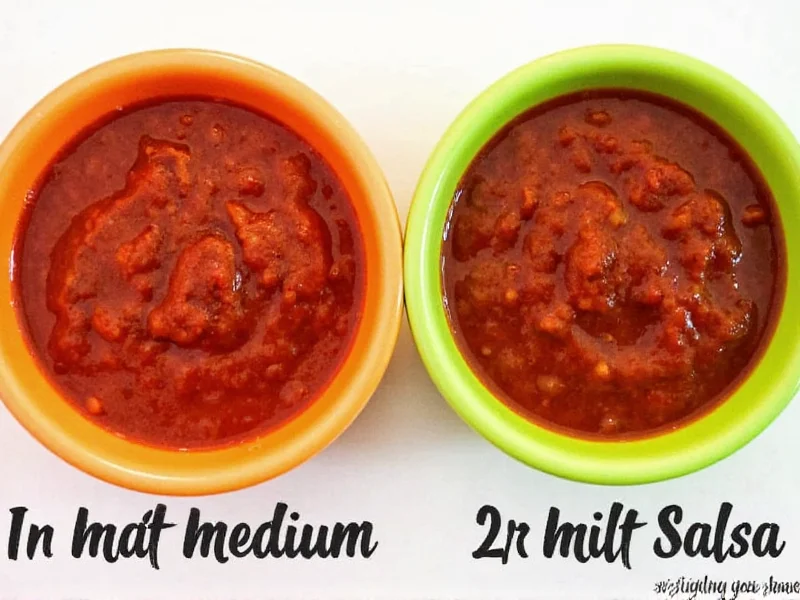
There is a quiet thrill in the first bite of a perfectly seasoned salsa. Whether dolloped on a taco, scooped up with a warm chip, or stirred into a morning breakfast burrito, salsa is the great equalizer of a meal—it adds brightness, depth, and a vibrant kick. But standing in a grocery aisle or at a taqueria counter, many of us pause at the same fork in the road: medium or mild? Understanding the difference between these two heat levels isn't just about avoiding a surprise burn; it’s about mastering a sensory experience that transforms everyday food into something memorable.
The most fundamental difference lies in the amount and type of chile peppers used. Mild salsa typically uses a low-heat pepper, such as a jalapeño that has had its ribs and seeds removed, or a completely deseeded poblano. The result is a salsa that is purely about flavor—a bright, fresh blend of tomatoes, onions, cilantro, and lime, with only a whisper of warmth. In contrast, medium salsa retains more of the chile’s heat by including the pepper's seeds and inner membranes, often using a standard, fully-intact jalapeño or a mix of other moderately hot chiles. The heat level in medium is noticeable—it lingers on the tongue for a few pleasant seconds—but it does not overwhelm the other ingredients.
Why does this matter for your daily life? The choice dictates the mood and function of your meal. Imagine a busy Tuesday night: you’re making quick nachos for the family. Using mild salsa means everyone—including young children or spice-averse friends—can enjoy the dish without discomfort. The salsa acts as a flavor enhancer, not a center-stage challenge. But consider a different scenario: a relaxed weekend cookout with friends who love bold flavors. A medium salsa becomes the perfect bridge—it adds an exciting, warm tingle that elevates grilled meats and creamy guacamole, yet stays approachable enough for most palates. The key purpose of both is versatility: mild ensures inclusivity, while medium provides a satisfying spark without crossing into the “too hot” danger zone.
Must Read
A practical way to tell them apart is by paying attention to the after-feel. With mild salsa, the sensation is clean and refreshing; your mouth feels cool and citrusy after each bite. With medium, you’ll notice a gradual, pleasant warmth that builds on the back of your tongue and throat. This is the capsaicin working its magic, stimulating endorphins without causing pain. For everyday use, this distinction is huge: a mild salsa is safe for breakfast eggs or a light lunch wrap, where you want the vegetable taste to shine. A medium salsa is better suited for hearty dinners, like enchiladas or taco bowls, where the heat can cut through richer ingredients like cheese and sour cream.
If you’re uncertain which to choose for a specific dish, use the acid test. Think about the other strong flavors on your plate. For delicate items—such as fresh ceviche, grilled fish, or a simple avocado toast—stick with mild salsa to avoid masking the subtle seafood or fruit notes. For robust, savory dishes—like beef chili, carnitas, or loaded nachos—opt for medium salsa. Its heat will balance the fat and salt, creating a more complex, layered bite. A simple tip: always taste the salsa alone before adding it to a dish. Your tongue is the best guide.
 Medium Salsa Is Hotter Than Mild: Heat Level Explained
For the adventurous cook, you can blend both worlds. Create a custom salsa bar at home by making a mild base (puréed tomatoes, onion, garlic, lime) and then offering a separate small bowl of toasted, ground chili flakes or finely chopped fresh jalapeño. This allows each person to dial the heat to their exact preference—from barely warm to noticeably spicy. Or, try mixing a tablespoon of medium salsa into a jar of mild salsa. This gives you a controlled, nuanced heat that can be tweaked each time. The goal is ownership over your flavor profile, turning a simple condiment into a personal expression of taste.
Ultimately, the difference between medium and mild salsa is not a matter of better or worse—it is a matter of purpose and audience. Mild welcomes everyone to the table; medium invites those who crave a gentle thrill. By understanding the pepper count, the heat’s effect on other foods, and the social context of your meal, you can choose with confidence. Next time you reach for a jar, remember: you are not just picking a spice level. You are designing a moment—whether that moment is a quiet breakfast for one or a lively dinner with guests. Salsa, in all its heat levels, is a small celebration of choice.
