What's The Difference Between Light Red And Dark Red Kidney Beans

Ever stood in the grocery aisle, staring at two bags of kidney beans, wondering if you’re overthinking a can of legumes? You’re not alone. Light red and dark red kidney beans...
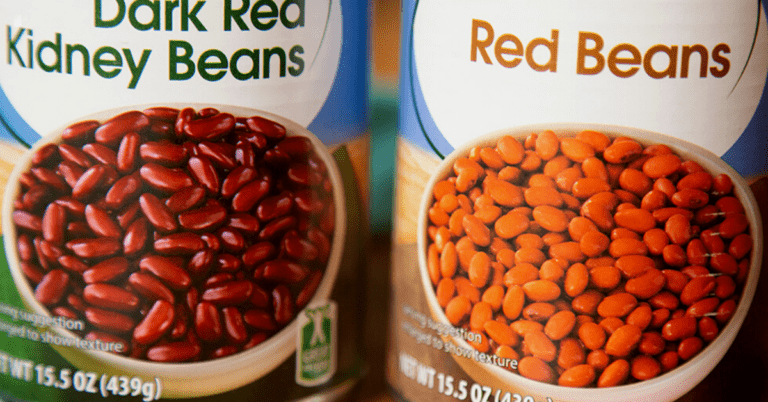
Ever stood in the grocery aisle, staring at two bags of kidney beans, wondering if you’re overthinking a can of legumes? You’re not alone. Light red and dark red kidney beans look like cousins at a family reunion—similar, but clearly not the same. So, what’s the real difference, and why should you care?
Let’s start with the obvious: color. Light red kidney beans are, well, pale and pinkish, almost like a blush on a cloudy day. Dark red kidney beans are deep, maroon, and intense, like a ruby you’d find in a treasure chest. But here’s the kicker—color isn’t just for looks; it hints at their personality.
Think of dark red kidney beans as the old souls of the bean world. They’re firmer, denser, and hold their shape like a stubborn rock. You’ll find them in hearty chili recipes or slow-cooked stews, where they refuse to turn mushy. Isn’t that kind of awesome?
Must Read
Now, light red kidney beans? They’re the social butterflies. Softer, creamier, and a bit more delicate, they blend into dishes like a friendly guest at a party. They’re perfect for salads, soups, or anytime you want a bean that’s less shy about mixing flavors. Ever noticed how some beans just disappear into your meal? That’s the light red.
But wait—does the taste change with the shade? Surprisingly, not much. Both are mild, nutty, and slightly sweet, like a quiet background hum. The real magic is in texture. Dark red beans give you bite; light red beans give you comfort. Which vibe are you craving today?
Here’s a fun comparison: Imagine dark red beans are like a pair of leather boots—sturdy, reliable, and ready for a long hike. Light red beans are like your favorite fluffy slippers—soft, easygoing, and perfect for a lazy afternoon. Both are great, but you wouldn’t wear boots to bed, right?
Now, let’s talk about cooking time. Dark reds take a little longer to soften because they’re tougher. If you’re boiling them from dry, expect about 90 to 120 minutes. Light reds are faster—closer to 60 to 90 minutes. Feeling impatient? Grab the lighter ones. Planning a slow simmer all afternoon? Dark reds are your friend.
Why does this matter in the kitchen? Because recipe success sometimes depends on bean texture. A thick chili needs beans that won’t fall apart—enter dark reds. A smooth bean salad wants tender bites—hello, light reds. Ever ruined a dish because your beans turned to paste? Yeah, we’ve all been there.
Okay, but is one healthier than the other? Not really. Both are packed with protein, fiber, and iron. They’re like silent superheroes for your digestion and energy. The darker color means slightly more antioxidants (thanks, pigments!), but the difference is tiny. Eat whichever makes you happy.
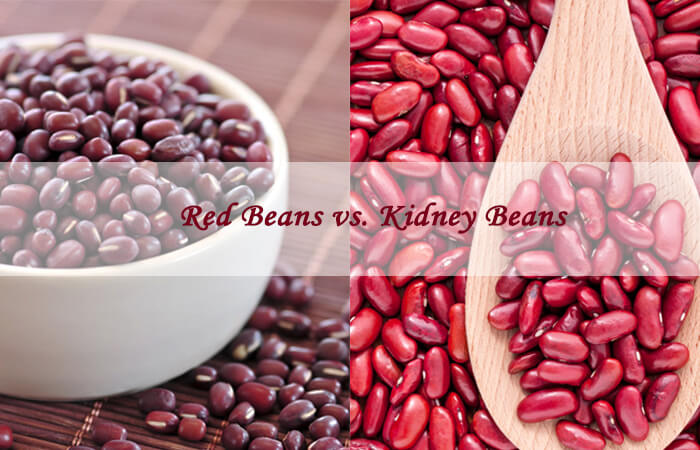 Red Beans vs. Kidney Beans: 11 Notable Differences to Know
Here’s a weird nugget: Don’t eat them raw. Both light and dark red kidney beans contain a natural toxin called lectin. Cooking destroys it—so always boil them for at least 10 minutes. Does that sound scary? It’s not; just be a smart cook. Safety first, always.
Let’s get cultural for a second. In Indian cooking, dark red beans are often used in Rajma—a spiced, creamy curry that’s comfort in a bowl. Light red beans show up more in Creole dishes like red beans and rice. See how geography influences bean choice? Pretty cool, huh?
Still wondering which to pick? Think about your meal’s vibes. Making a stick-to-your-ribs winter soup? Go dark red. Throwing together a light summer salad? Light red is your jam. You can even swap them—it won’t ruin your dinner, just change the texture slightly. Don’t stress; beans are forgiving.
Here’s a pro tip: Check your can or bag labels. Some brands mix them up, or call them all “kidney beans” without mention of shade. If a recipe says “dark red,” don’t panic if you only have light. Your dish will still be delicious—just a little softer or firmer. Life’s too short for bean anxiety.
One more fun fact: Dark red beans are slightly more expensive in some stores—probably because they’re considered “premium” for chili. But is that marketing hype? Maybe. Taste test them yourself. You might find you’re a light red loyalist without knowing it.
In the end, the difference between light and dark red kidney beans is like the difference between a Monday morning and a Friday afternoon. Both are beans; both are good. One is sturdy, one is soft. One feels like work, one feels like play. But both will fill your belly and make you smile.
So next time you’re at the store, grab the bag that speaks to you. Light or dark, you’re getting a little powerhouse of protein and history. And honestly? That’s pretty cool. Now go cook something amazing, and don’t forget to boil those beans.
