What's The Difference Between Light Kidney Beans And Dark Kidney Beans

For many home cooks, the humble kidney bean is a pantry staple, valued for its hearty texture and ability to absorb flavors in chili, soups, and salads. Yet a glance at the gr...

For many home cooks, the humble kidney bean is a pantry staple, valued for its hearty texture and ability to absorb flavors in chili, soups, and salads. Yet a glance at the grocery shelf reveals two distinct varieties: light kidney beans and dark kidney beans. While they share a similar name and shape, their subtle differences can influence the taste, color, and even the safety of your favorite dishes. Understanding these variations helps you choose the right bean for every meal, turning a simple ingredient into a tool for better cooking and everyday nutrition.
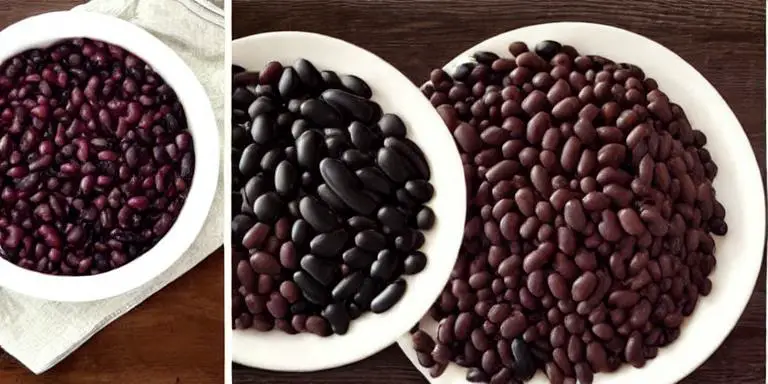
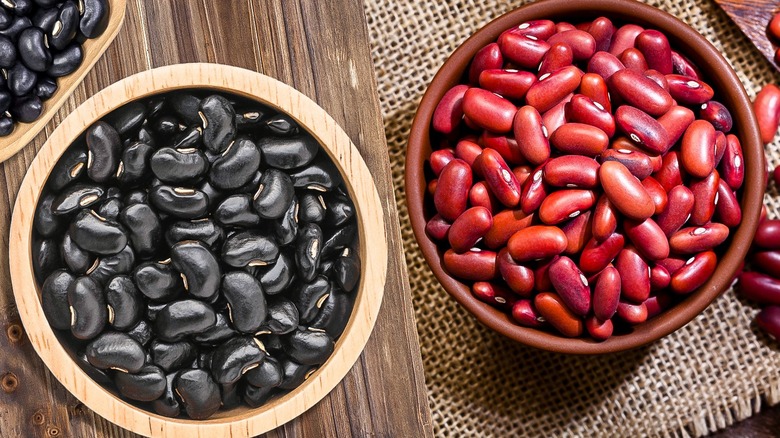
The most obvious distinction lies in their appearance. Light kidney beans, often called cannellini or white kidney beans, have a pale, creamy hue, while dark kidney beans boast a deep, mahogany red color. This color difference is more than cosmetic: it signals variations in chemical composition. Dark kidney beans are particularly rich in anthocyanins, the same antioxidants found in blueberries and red cabbage, which give them their vibrant shade. These antioxidants can support cellular health, making dark kidney beans a slightly more potent choice for boosting your daily intake of protective nutrients. In contrast, the lighter beans offer a milder antioxidant profile but are still an excellent source of fiber and plant-based protein.
When it comes to texture and flavor, the two beans behave differently in the pot. Dark kidney beans have a dense, meaty texture and a robust, earthy flavor that stands up well to heavy spices and long simmering. They are the classic choice for a thick, spicy chili or a smoky bean stew, where their color and taste meld seamlessly with tomatoes, cumin, and garlic. Light kidney beans, on the other hand, are creamier and more delicate. They absorb surrounding flavors readily without overpowering them, making them ideal for lighter broths, Mediterranean salads, or white bean dips. For instance, a Tuscan ribollita soup shines with light kidney beans, while a Texas-style chili demands the dark variety for its visual and savory impact.
Must Read
A critical, non-negotiable difference lies in food safety. Both types of kidney beans contain a natural toxin called phytohaemagglutinin (lectin), but dark kidney beans have a significantly higher concentration. Improper cooking—especially in a slow cooker at low temperatures—can leave this toxin active, causing nausea and vomiting. The key rule is to always boil dried kidney beans vigorously for at least 10 minutes before any further cooking. This step destroys the lectin. Light kidney beans contain lower levels of this compound, but the same boiling rule applies to both for safety. Never rely on a slow cooker alone to cook raw kidney beans; a proper boil is essential.
From a culinary perspective, choosing between them depends on your desired visual appeal. A dark kidney bean salad will look rich and rustic against greens and vegetables, while a light kidney bean salad offers a softer, more uniform palette. If you are making a dish where the beans are the star—like a bean burger or a mash—light beans create a smoother, paler puree. Dark beans produce a darker, speckled paste that adds visual depth. For everyday meal prep, consider keeping both in your pantry: dark beans for robust, chilly weather dishes and light beans for fresh, springtime recipes or quick weeknight meals.
 Kidney Bean Shape Name
To explore these differences at home, start with a simple experiment: prepare two separate batches of chili—one with each bean variety, using the same spices and vegetables. Notice how the dark kidney beans provide a denser, more substantial bite and a deeper red broth, while the light beans result in a creamier, more subtly flavored stew. Another easy tip: try a cold bean salad with light kidney beans, diced cucumber, cherry tomatoes, red onion, and a lemon-herb vinaigrette. For a heartier side, roast dark kidney beans with olive oil and smoked paprika until crispy—they make a satisfying, protein-packed snack or topping for salads.
Ultimately, the choice between light and dark kidney beans is not about which is better, but which fits your purpose. Both are affordable, shelf-stable sources of plant-based nutrition that can elevate everyday meals with minimal effort. By understanding their unique properties—from antioxidant content to cooking safety—you empower yourself to cook with confidence and creativity. So next time you reach for that can or bag, think about the color, the texture, and the dish you are building. The humble kidney bean, in either shade, is a versatile ally in the kitchen.