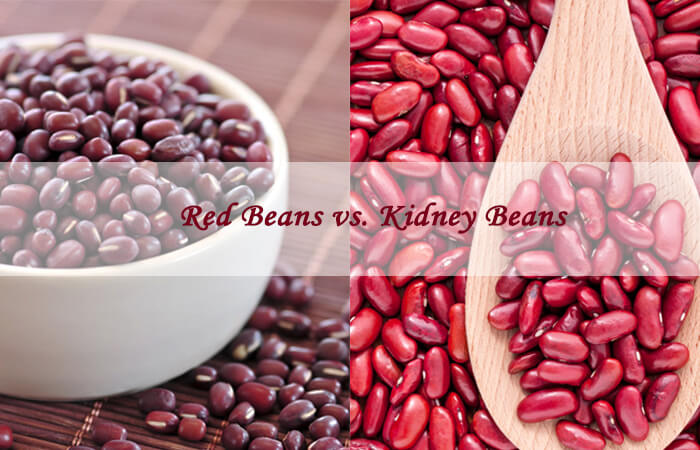
What's The Difference Between Light And Dark Red Kidney Beans

There’s something quietly satisfying about standing in the grocery aisle, staring at two bins of kidney beans and wondering, “Wait, is there really a difference?” This isn’t j...
There’s something quietly satisfying about standing in the grocery aisle, staring at two bins of kidney beans and wondering, “Wait, is there really a difference?” This isn’t just a trivia question—it’s a small, practical mystery that can transform your cooking from good to great. Whether you’re a meal-prep enthusiast, a chili champion, or someone who just wants to use up that half-used can in the back of the pantry, understanding the difference between light and dark red kidney beans is surprisingly useful. It’s one of those small bits of food knowledge that makes you feel like a more confident cook without needing a culinary degree.
The main purpose of these two beans is the same: to provide a hearty, protein-packed base for all kinds of dishes. But their subtle differences can make or break a recipe. Light red kidney beans are slightly smaller, with a thinner skin and a milder, almost buttery flavor. They tend to hold their shape well but are a bit more delicate, which makes them perfect for salads, pasta e fagioli, or any dish where you want a gentle bean that doesn't steal the show. On the other hand, dark red kidney beans are larger, firmer, and have a denser, earthier taste. They’re the undisputed kings of hearty stews and slow-cooked dishes, especially classic chili, because they stay intact even after hours of simmering.
Here’s a common variation you’ll likely recognize: the “chili test.” If you’ve ever made a pot of beef chili and noticed the beans turning into mush, you probably used light red kidney beans by accident. The darker ones are your best friend here—they absorb flavor beautifully while keeping their bite. For a refreshing twist, try light red kidney beans in a cool summer salad with corn, cilantro, and a lime vinaigrette. Their milder taste won’t overpower the fresh veggies. Another popular swap: use light red beans in a creamy bean soup for a smoother texture, and dark red beans in a spicy bean burger for a firmer patty.
Must Read
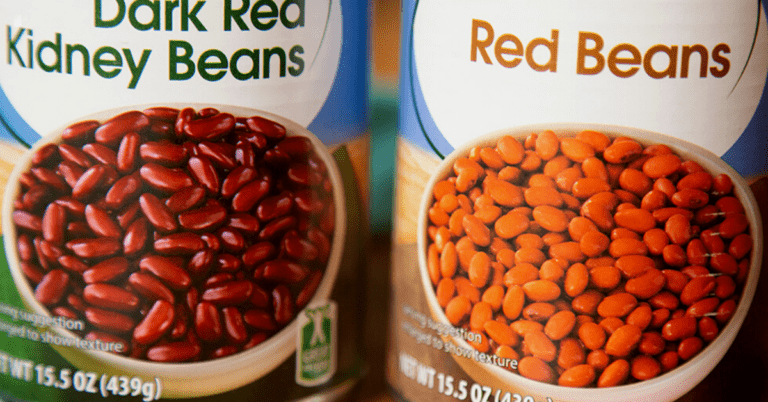
So, how do you make the most of this knowledge? First, always check the label—canned beans often just say “red kidney beans,” but a peek at the ingredients or color will tell you which is which. If you’re buying dried, the difference is even more obvious. Second, don’t be afraid to mix them in a batch of chili or a bean dip for a more complex texture and flavor profile. Third, remember that both beans are just as healthy—they’re packed with fiber, iron, and protein—so this choice is purely about taste and texture.
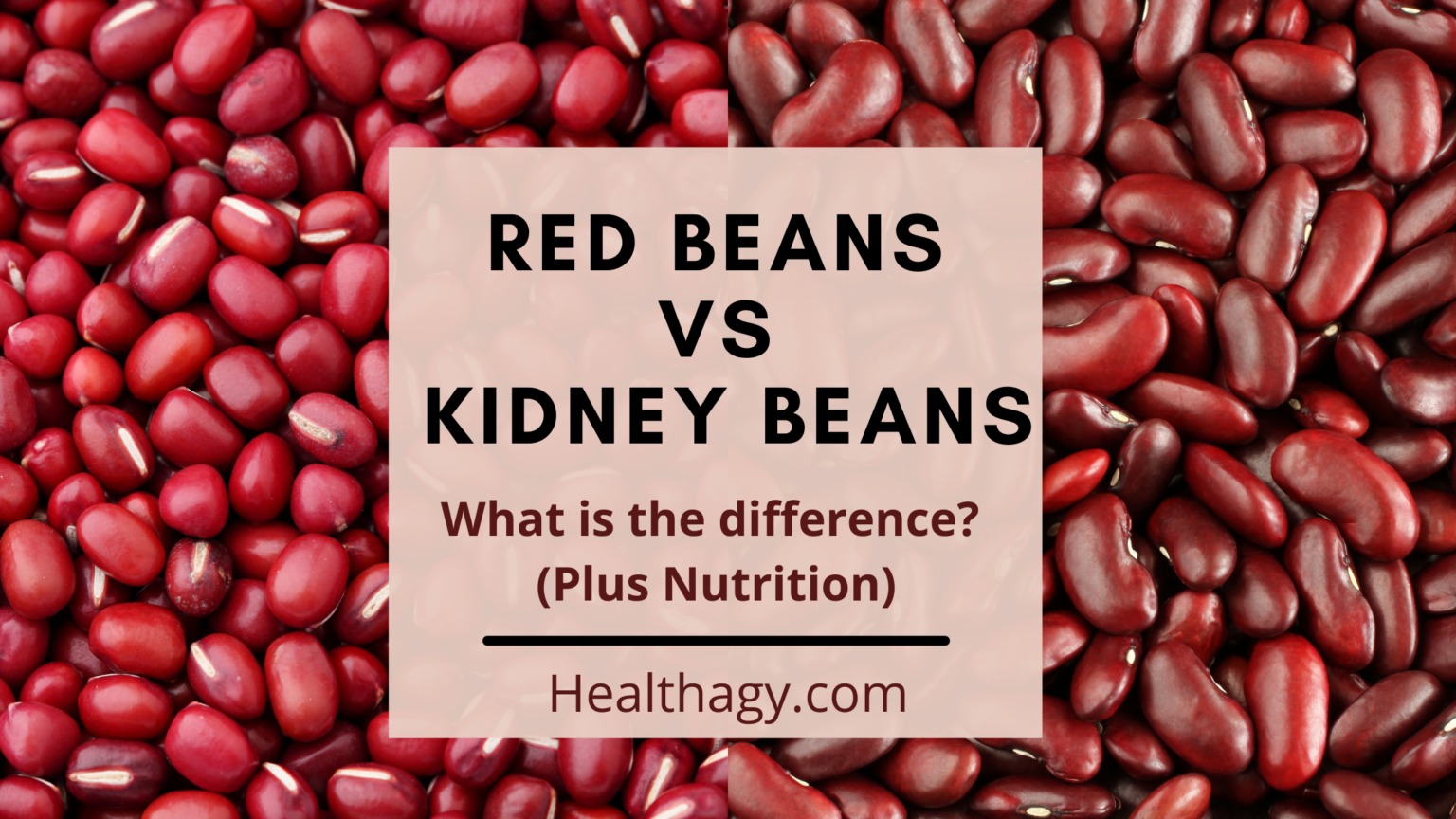 Red Beans vs Kidney Beans: What is the Difference? (Plus Nutrition
For a simple starting point, try this: cook a small batch of both types separately (if dried) or just open two cans. Make a side-by-side taste test. You’ll quickly notice that the dark red beans have a richer, almost wine-like flavor, while the light red ones are more neutral. This hands-on experiment is more helpful than any recipe book. Once you know which bean suits your favorite dish, you’ll never second-guess your choice again.
In the end, the difference between light and dark red kidney beans boils down to intention. Are you building a bold, long-simmered meal? Go dark. Are you crafting a light, quick meal where the bean is a supporting actor? Go light. It’s a small distinction that brings a lot of confidence to your kitchen. So next time you’re at the store, take a moment to appreciate those two bags—they’re not just beans, they’re your ticket to better-balanced bowls.