What's The Difference Between Light And Dark Kidney Beans

Welcome to the colorful world of beans, where the humble kidney bean takes center stage. You’ve seen them in chili, on salad bars, and tucked into burritos, but have you ever...

Welcome to the colorful world of beans, where the humble kidney bean takes center stage. You’ve seen them in chili, on salad bars, and tucked into burritos, but have you ever stopped to wonder what really separates the light red kidney bean from its dark red cousin? This isn't just a matter of fashion for your pantry—it’s a fun, practical secret that can elevate your cooking from ordinary to extraordinary. Understanding the difference gives you the power to control texture, flavor, and even the color of your favorite dishes. Whether you’re a seasoned home cook or just starting out, this knowledge is like a superpower in the kitchen, making every meal more intentional and delicious.
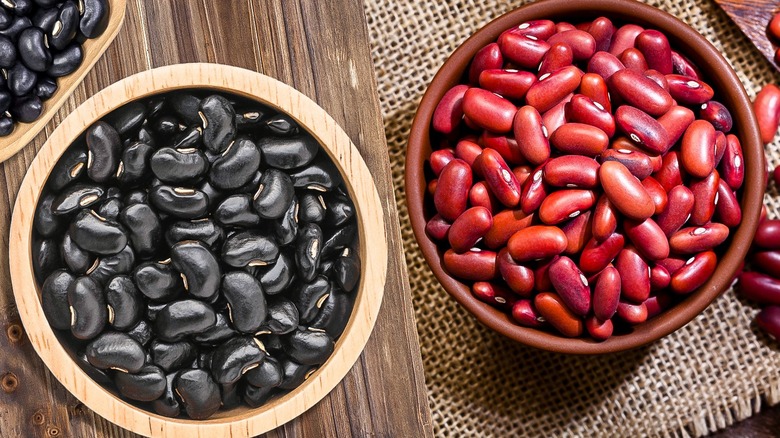
At their core, both beans come from the same species, but the key difference lies in the outer skin. The dark kidney bean has a deep burgundy, almost mahogany coat that’s slightly thicker and tougher. This means it holds its shape beautifully during long simmering, making it the star of hearty chili and slow-cooked soups. On the other hand, the light red kidney bean features a thinner, more delicate skin that cooks faster and has a creamier, softer interior. Because of its lighter color, it also absorbs the flavors of your spices and sauces more readily, giving your dish a more integrated taste. Think of the dark bean as the rugged, sturdy friend who stands firm, while the light bean is the sociable, adaptable one that blends right in.
Let’s get creative with examples. Imagine you’re making a classic Texas chili—the kind that simmers for hours with chunks of beef and smoky chipotle. Here, you want the dark red kidney bean. Its robust skin won’t turn to mush, and its deep color adds richness to the dark broth. Now picture a light, summery three-bean salad with a tangy vinaigrette. The light kidney bean is perfect here because it doesn’t overpower the other ingredients—like chickpeas and green beans—with a heavy color or texture. For a vegetarian curry with coconut milk and turmeric, the light bean’s creaminess blends seamlessly with the sauce, creating a luscious, golden dish. Meanwhile, a spicy Cuban black bean soup isn’t traditional with kidney beans at all—but if you swap in dark red ones, you get a richer, more protein-packed twist that holds its own against bold cumin and oregano.
Must Read
Practical advice time. If you’re using dried beans, remember that all kidney beans contain a natural toxin called phytohemagglutinin, which is destroyed by proper cooking. Never eat them raw or undercooked! Always boil dried beans for at least 10 minutes before reducing to a simmer. For dark red kidney beans, plan for a longer simmer—around 60 to 90 minutes—because of their thicker skin. Light red beans will be tender in about 45 to 60 minutes. If you’re in a rush, canned beans are a fantastic shortcut. Just rinse them well to remove excess sodium and give them a quick five-minute simmer in your sauce to deepen the flavor. A tip: don’t add salt or acidic ingredients like tomato paste until the beans are fully cooked, as they can prevent the skin from softening properly.
Here’s a fun experiment to try at home: cook both types side by side in the same pot of plain water. After 45 minutes, taste a light bean—it should be creamy and slightly bursting. The dark bean will still be firm. Let them simmer another 30 minutes, then taste again. You’ll see and feel the textural contrast perfectly. This is your tactile guide for future recipes. Use the dark bean when you want visual drama and a bite that pops in your mouth—think grain bowls, tacos, or a bean dip where you want distinct pieces. Use the light bean when you want a smooth, cohesive element that melts into sauces, like in a creamy bean dip, a hearty minestrone, or a comforting pot of “red beans and rice” (where light beans are actually the traditional choice in Louisiana cooking).
:max_bytes(150000):strip_icc()/VsTemplate-BlackBeansVsKidneyBeans-a84041fe868a4de299d4b6a6ab688be6.png) Black Beans vs. Kidney Beans: Which Offers More Fiber, Protein, and
Black Beans vs. Kidney Beans: Which Offers More Fiber, Protein, and
One more nuanced difference: flavor profile. While both are mild and earthy, the dark red kidney bean has a slightly more pronounced, almost mineral-y taste that pairs beautifully with bold spices like clove, allspice, and smoked paprika. The light red kidney bean is more neutral, making it a chameleon ingredient that takes on whatever flavor you give it—so it’s brilliant in dishes with delicate herbs like dill or parsley, or in lighter Asian stir-fries where you don’t want a dark spot bleeding into the sauce. For a quick weeknight meal, I often grab a can of light red beans, mash them slightly with a fork, and stir them into a pan of sautéed garlic, spinach, and a squeeze of lemon—it’s a five-minute creamy, healthy dinner.
In the end, the difference between light and dark kidney beans isn’t about which is “better”—it’s about choosing the right tool for the job. With this knowledge, you can confidently scan the grocery aisle and pick the bean that will make your recipe sing. Embrace the dark red bean for hearty, long-cooked classics, and welcome the light red bean into your quick, saucy, and creamy creations. Your taste buds will thank you, and you’ll impress friends by casually debating the merits of bean skin thickness. So go ahead, grab a bag of each, and start experimenting. After all, even a simple bean can be an adventure!