What's The Difference Between Gorgonzola And Blue Cheese

Let’s be honest: walking into the cheese section of a grocery store can feel a little intimidating. You’re staring at a wall of wedges, all creamy and mysterious, and you just...
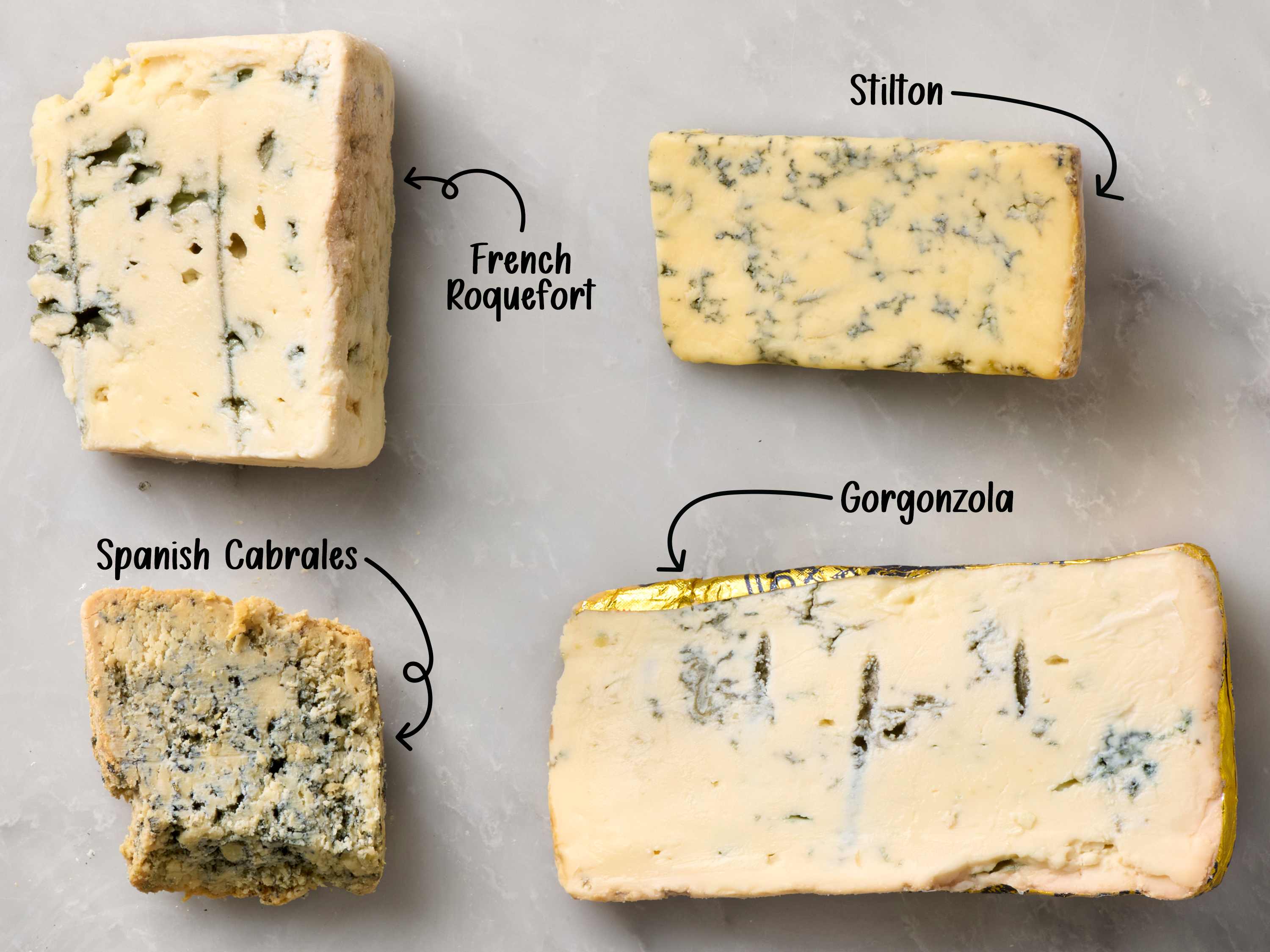
Let’s be honest: walking into the cheese section of a grocery store can feel a little intimidating. You’re staring at a wall of wedges, all creamy and mysterious, and you just want something delicious. But then you see it—a blue-veined beauty with a fancy Italian name. Is it Gorgonzola? Is it just “blue cheese”? What’s the difference, anyway?
Here’s the fun part: all Gorgonzola is blue cheese, but not all blue cheese is Gorgonzola. Think of it like square and rectangles. Blue cheese is the big, bold family of funky, mold-injected dairy. Gorgonzola is just one very famous, very Italian member of that family. And knowing this little detail? It makes you look like a total cheese genius at dinner parties.
The Simple Family Tree of Blue Fun
Blue cheese gets its signature look and tang from a very friendly mold called Penicillium roqueforti. That’s the same stuff that gives us Roquefort, Stilton, and yes, our hero Gorgonzola. The mold is injected into the curds and then the cheese is aged, allowing those gorgeous blue-green veins to spread like a magic web.
Must Read
The biggest difference between Gorgonzola and its blue cousins is age and texture. Most blue cheeses (like a sharp Roquefort or a crumbly Stilton) are aged for months. They get hard, crumbly, and incredibly intense. Gorgonzola, on the other hand, is often aged for a shorter time, keeping it soft, spreadable, and remarkably creamy.
The Two Faces of Gorgonzola
Here’s where it gets really playful. Gorgonzola actually comes in two different styles, and you’ve probably tried both without realizing it. There’s Gorgonzola Dolce, which means “sweet” in Italian. This is the young, soft, and almost buttery version. It’s mild, a little tangy, and spreads like a dream on a cracker.
Then there’s Gorgonzola Piccante (or “sharp” Gorgonzola). This one is aged longer, has a firmer, crumblier texture, and a much bolder, saltier bite. It’s more like a traditional blue cheese, but still smoother than its French or English rivals. So next time you see a wedge labeled just “Gorgonzola,” ask your cheesemonger: “Dolce or Piccante?” They’ll be impressed, and you’ll get exactly the flavor you want.
Why This Matters for Your Everyday Life
You might be thinking, “Who cares? Just give me the cheese.” But understanding this difference unlocks a world of better eating. For example, if you’re making a creamy risotto or a sauce for pasta, Gorgonzola Dolce is your best friend. It melts into silky perfection without overwhelming everything with saltiness.
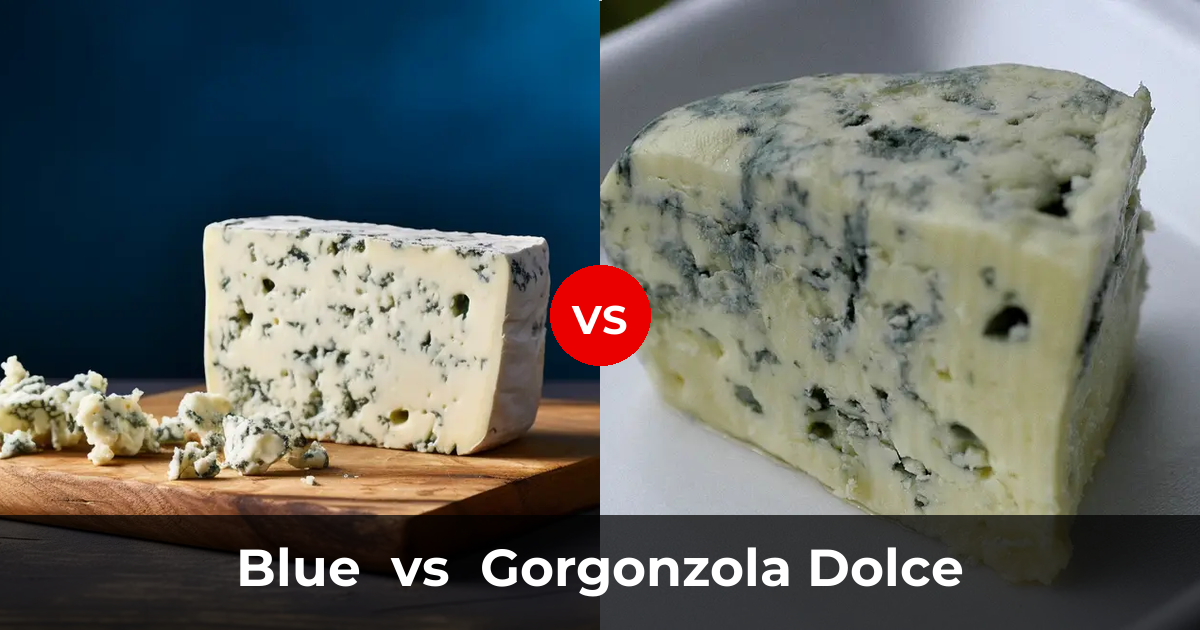 Blue Cheese vs Gorgonzola Dolce Cheese: What's the Difference? | Taste
But if you’re making a bold salad dressing, a crumbly pasta topping, or a burger that demands a punch of flavor, you want the Piccante or a classic blue cheese. You can even swap them out in recipes on a whim. Got a blue cheese dressing recipe but only have Gorgonzola? Go for it! The world won’t end—it will just taste slightly more like Italy.
The Cultural Cool Factor
Let’s be real: saying “I prefer Gorgonzola Dolce tonight” sounds way more sophisticated than just mumbling “I like the blue one.” You’re suddenly a person with opinions, with taste. You’re the friend who knows that Gorgonzola is named after the town of Gorgonzola near Milan, and that it’s been made since the Middle Ages. It’s a little piece of history you can literally eat.
And don’t worry about being a snob. The whole point is joy. Whether you love the mellow hug of Dolce or the bold shout of Piccante, you’re exploring a spectrum of flavor that most people just ignore. You’re treating your taste buds to an adventure.
A Uplifting (and Cheesy) Final Thought
So here’s the takeaway, friend: the difference between Gorgonzola and blue cheese isn’t about being right or wrong. It’s about curiosity. It’s about realizing that a simple, moldy wedge of dairy is actually a gateway to stories, traditions, and incredible sensations. Every cheese aisle is a library of flavor just waiting for you to ask a question.
And you know what? If you mess up and buy the wrong one for your recipe, it’s still cheese. It’s still delicious. Life is too short for boring food, and too short to be afraid of a little mold. So go ahead—pick up a wedge of Gorgonzola Dolce, a chunk of Roquefort, or even a funky Stilton. Taste them side by side. Be inspired by the difference. That’s what makes life fun: the little details that turn a snack into an experience. Now go make something delicious—and don’t forget the crackers.
