What's The Difference Between Dark Red Kidney Beans And Light Red Kidney Beans

You’re standing in the grocery aisle, staring at two cans of kidney beans. One says “dark red,” the other “light red,” and you feel a tiny panic. Does it matter? Will your chi...

You’re standing in the grocery aisle, staring at two cans of kidney beans. One says “dark red,” the other “light red,” and you feel a tiny panic. Does it matter? Will your chili turn into a culinary disaster if you grab the wrong one? Let’s settle this once and for all—without any fancy chef talk.
Honestly, the biggest difference is skin deep. Dark red kidney beans are like the older sibling who’s been hiking all day: they’ve got a thicker, sturdier skin that holds up to long simmering. Light red kidney beans are the younger sibling who stays indoors—more delicate, softer, and quicker to get mushy. Both are perfectly delicious, but they have different “personalities” in the pot.
Why texture matters in your dinner bowl
Think of dark red kidney beans as the tough linebackers of the bean world. They stay firm through a two-hour chili simmer, a slow-cooker session, or a spicy stew that bubbles all afternoon. If you want a bean that keeps its shape and gives a satisfying pop in your mouth, go dark.
Must Read
Light red kidney beans are more like the soft friend who melts into a hug. They break down faster, making them perfect for creamy soups, mashed bean dips, or recipes where you want a thicker sauce. Ever had a bean that practically disappeared into your chili? That’s a light red doing the heavy lifting of thickening, without you noticing.
A quick trip to the supermarket memory lane
I once grabbed light red beans for my famous “Sunday Chili” by mistake. The result was a bowl of mushy red goodness—delicious, but my kids asked, “Mom, where did the beans go?” A friend of mine swears by dark reds for her three-bean salad because they stay pretty and intact on the buffet table. Your choice truly depends on your dinner’s mood.
Here’s a simple rule: if you’re cooking something that simmers more than 45 minutes, pick dark red kidney beans. They’re the pilgrims of the bean world—built for the long journey. If you’re making a quick weeknight curry, a bean dip, or a light salad, grab the lighter ones. They’ll be tender and ready in a flash.
 Red Beans vs Kidney Beans: What is the Difference? (Plus Nutrition
Flavor? It’s practically the same—but not quite
Don’t let anyone fool you: both beans taste like… beans. But dark red ones have a slightly earthier, deeper flavor, like a good cup of black coffee versus a lighter roast. Light red beans are a tad milder and sweeter, which makes them a great canvas for bold spices. Your chili won’t be ruined either way—just slightly different.
Still, I have a secret: most people can’t tell the difference in a blind taste test. Your family might think you’re a gourmet chef no matter which can you open. The real magic is in how you season them—cumin, chili powder, a splash of lime—that’s what wins applause at the dinner table.
How to use them without overthinking
Need a quick dinner? Light red kidney beans are the best for a fifteen-minute skillet hash with rice, onion, and garlic.Dark reds shine in a slow-cooker dish you start before work—they’ll be perfect when you walk in the door exhausted. Both make excellent burrito fillings, but light reds blend better into refried beans.
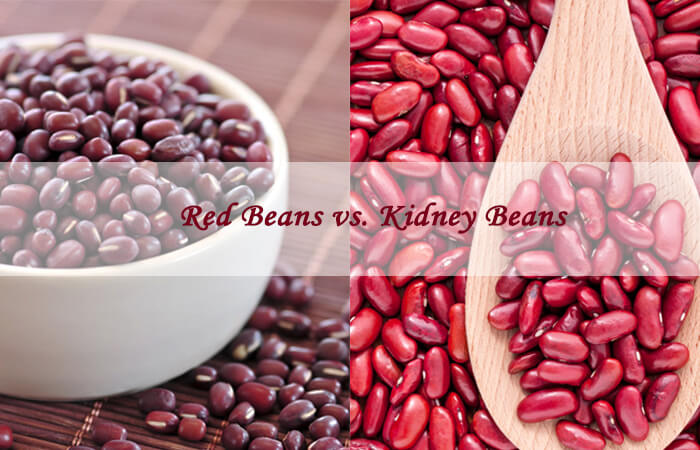 Red Beans vs. Kidney Beans: 11 Notable Differences to Know
One more thing: never eat either bean raw or undercooked. They contain a compound called lectin that can make you feel terrible—like a bad stomach flu. Always cook them thoroughly, whether you’re using canned or dried. This is the one rule you really don’t want to skip.
Here’s my final, easy-going advice: buy whichever color makes you smile. If you’re hosting a big chili party, go dark red for the visual appeal—they look amazing against yellow cornbread. If you’re meal-prepping for a whirlwind week, light reds will soften your evening with less fuss. Your taste buds will thank you either way.
And next time you’re stuck in that aisle, remember: it’s just a bean. The real difference is in your heart and your cooking style. Grab a can, go home, and make something that tastes like you. That’s what matters most.
