What's The Difference Between A Pepperoncini And A Banana Pepper

You’re standing in the grocery store, staring at two jars of pickled peppers. One says “pepperoncini,” the other “banana pepper.” They look almost exactly the same, and you’re...
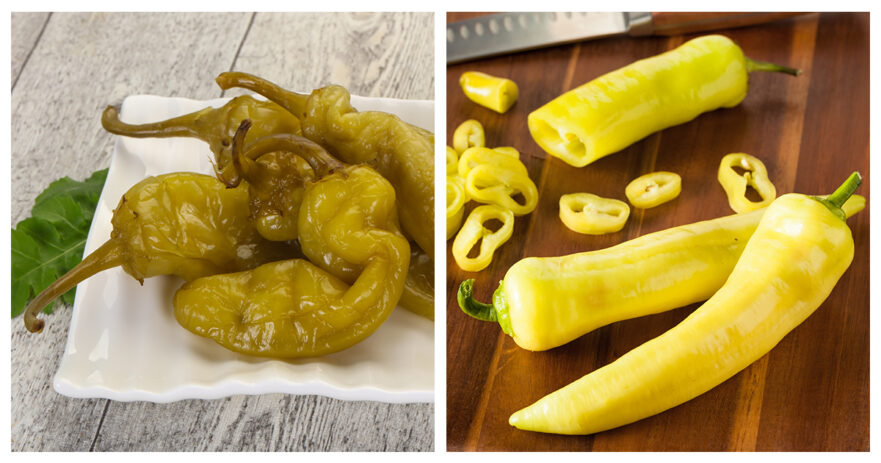
You’re standing in the grocery store, staring at two jars of pickled peppers. One says “pepperoncini,” the other “banana pepper.” They look almost exactly the same, and you’re starting to sweat. Don’t panic. You’re not alone, and honestly, the difference is simpler than you think.
Let’s start with the first clue: their names. Banana pepper is a perfect description—they’re long, yellow, and slightly curved like the fruit you put in your smoothie. Pepperoncini is the Italian cousin that sounds fancy but is just as friendly.
Here’s the real kicker: pepperoncinis are a little less sweet and a little more tangy. Banana peppers lean toward mild and slightly sugary, while that Italian jar brings a gentle, briny punch. Think of banana pepper as the friendly neighbor who waves every morning, and pepperoncini as the one who brings you homemade vinegar pickles.
Must Read
Why does this matter to your sandwich?
Picture this: you’re making a sub for lunch. You want that bright, crunchy pop without burning your face off. Pop a pepperoncini on there, and you get a zippy, Mediterranean vibe. It’s the difference between a ho-hum sandwich and one that makes you close your eyes and hum.
Banana peppers are your go-to for a gentle crunch. They’re perfect for pizza, tacos, or just snacking straight from the jar when nobody’s watching. No judgment—I’ve been there, fork in one hand, remote in the other.
Both peppers are super mild on the heat scale, usually clocking in at zero to 500 Scoville units. That’s basically a whisper compared to the wildfire of a jalapeño. So if you’re heat-shy, you’re safe either way.
Don’t be fooled by their looks
Here’s where it gets tricky. Grocery stores often swap the names, or they sell a mixed jar labeled “pepperoncinis” that includes banana peppers. You can’t always trust the label on the shelf. But once you know what to taste, you’ll never be fooled.
Take a bite of a plain pepper from the jar. Banana peppers are a bit thicker and more fleshy, with a texture like a crisp bell pepper. Pepperoncinis are wrinklier and more brine-soaked, almost like they’ve been marinating in a happy bath of vinegar and herbs.
If you want to look like a pro, check the stem. Pepperoncinis often have a little bent tail, while banana peppers look like a straight, smooth hook. It’s a tiny detail, but it’s your secret weapon at the farmers’ market.
 Banana Peppers vs Pepperoncini - Eat Your Beets
When should you use each one?
Use banana peppers when you want color and crunch without overwhelming other flavors. Chopped into a tuna salad? Yes. Sliced on a burger? Absolutely. They’re the background singer who makes the band sound fuller.
Reach for pepperoncinis when you want a punch of tang. They’re essential on a classic Italian hoagie, tossed into a Greek salad, or blended into a creamy dip for pita chips. One jar can transform a boring cheese plate into a conversation starter.
And here’s a secret: you can substitute one for the other in a pinch. Your recipe won’t be ruined. It’s like wearing sneakers with a dress—maybe not the original plan, but you’ll still look good.
The bottom line (and a little story)
Last summer, I brought two identical-looking jars to a barbecue. Everyone guessed wrong. The person who chose the banana pepper said it was “too sweet.” The pepperoncini fan called theirs “a perfect little tickle.” Same color, same shape, totally different personalities.
So here’s what you do: grab a jar of each. Stick them in your fridge door. Use banana pepper on weekdays when you want something cheerful, and pepperoncini on weekends when you want a little Italian flair. You’ll feel like a kitchen wizard, and your friends will think you know everything.
At the end of the day, the difference is really about your taste buds and your mood. Both are welcome at the party. Both deserve a place on your plate. And now, you get to nod wisely next time someone asks, “Wait, are these the same thing?”
Go ahead. Grab that jar. You’ve got this.
