What's The Difference Between A Frappuccino And A Latte

There’s a delightful little debate that surfaces every time we shuffle into a coffee shop, staring up at a menu that feels half a mile long. It’s the question of what to order...

There’s a delightful little debate that surfaces every time we shuffle into a coffee shop, staring up at a menu that feels half a mile long. It’s the question of what to order when you want a coffee drink that feels like a treat. This topic is so enjoyable because it’s not about right or wrong—it’s about mood and craving. Figuring out the difference between a Frappuccino and a latte is a practical skill that saves you from an icy, sugar-loaded surprise when what you really wanted was a smooth, warm comfort. For the casual coffee drinker, it helps you get exactly what you pay for; for the health-conscious, it’s a way to choose wisely on calories. For everyone else, it’s just a fun little piece of food trivia.
Let’s start with the most obvious divide: temperature. A latte is a hot drink by nature (though you can order it iced). It’s a classic espresso-based beverage, made by pouring steamed milk over a single or double shot of espresso, topped with a thin layer of frothed milk. The result is smooth, creamy, and balanced. A Frappuccino, on the other hand, is a Starbucks-trademarked, blended iced drink. It’s basically a coffee milkshake—ice, milk, coffee or crème base, and a ton of sweetener, all whirled together until slushy. Common variations you’d recognize: a Caramel Macchiato latte versus a Caramel Frappuccino. One is warm and layered, the other is cold and thick.
The secret to the latte’s charm is its simplicity. It’s built on espresso, which gives it a real coffee backbone. You can order a plain latte and taste the beans. The milk is heated to about 150°F, which brings out natural sweetness without adding any sugar. A five-ounce latte might have around 120 calories with whole milk, mostly from the milk itself. A Frappuccino, however, is a dessert in disguise. It starts with a syrupy base, often including sugar, xanthan gum for texture, and sometimes even a coffee base that’s not true espresso but a concentrated brew. A 16-ounce Frappuccino can easily pack 400 to 500 calories and 60 grams of sugar—that’s more sugar than a can of soda.
Must Read
Texture is another huge clue. When you sip a latte, you get mouthfeel—silky steamed milk with a little foam on top. It’s a gentle, comforting experience. A Frappuccino is all about crunch and slurp. It’s served with a thick straw and often topped with whipped cream and drizzles. If you’re walking down the street on a hot day, a Frappuccino feels like a celebration. If you’re sitting at a café on a chilly morning, a latte feels like a hug. The context of your drink matters: Frappuccinos are for treating yourself; lattes are for fueling yourself.
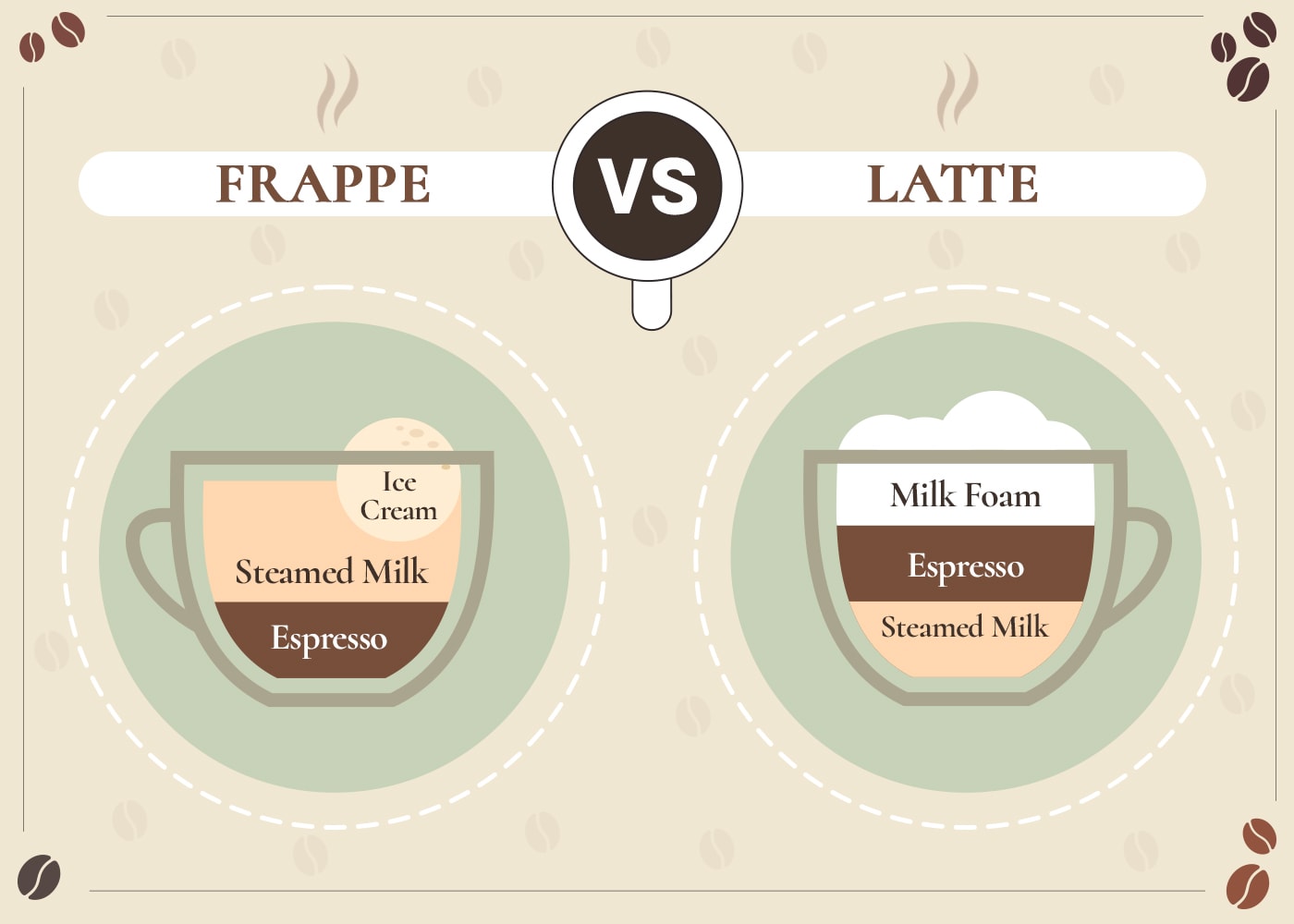 Frappe vs Latte: The Differences Explained — Corner Coffee Store
So, what about making the most of this knowledge? Here’s a simple, actionable tip: read the menu description for “espresso.” If the name doesn’t include the word “latte,” “espresso,” or “machiato,” and it says “blended,” “creme,” or “frappé,” you’re likely ordering a dessert. If you want a real coffee kick, ask for a latte, hot or iced. If you want a sweet, cold indulgence without the caffeine jitters, go for a crème-based Frappuccino (no coffee). You can also customize your latte to lean sweeter by adding a pump of vanilla syrup. Or lighten up a Frappuccino by requesting it with nonfat milk and no whipped cream—still delicious, but half the calories.
Ultimately, both drinks have their rightful place in your day. A latte is your reliable friend—great for sipping while reading a book or powering through work. A Frappuccino is your party guest—loud, indulgent, and best reserved for a sunny afternoon with friends. Knowing the difference means you’ll never accidentally order a 500-calorie milkshake when you just wanted a coffee, and you’ll never feel cheated when a warm latte arrives instead of a frosty one. It’s a small piece of coffee-shop wisdom that makes your next order feel smart—and that’s a win for everyone.

