What's Inside Haggis

Unwrapping the Mystery: What's Inside Haggis? Ever wondered what's lurking inside that humble, yet slightly intimidating, Scottish dish? You're not alone. Haggis, a tradition...
Unwrapping the Mystery: What's Inside Haggis?
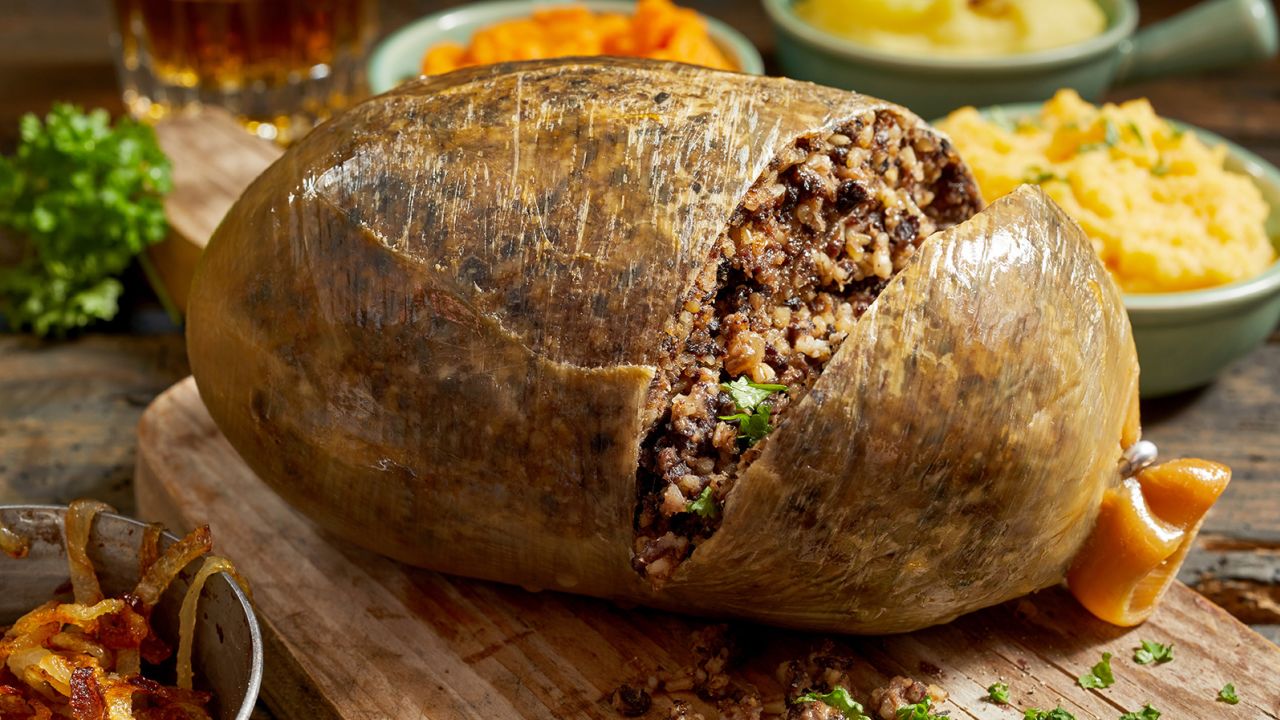
Ever wondered what's lurking inside that humble, yet slightly intimidating, Scottish dish? You're not alone. Haggis, a traditional Scottish pudding made from sheep's heart, liver, and lungs, minced with onions, oatmeal, suet, and seasoning, has a bit of a reputation. But fear not, we're here to demystify this iconic dish and share some fun facts along the way.
Heart of the Matter
Let's start with the heart of the matter, literally. The heart is one of the main ingredients in haggis. It's a symbol of courage and bravery in Scottish culture, which might explain why this dish is often served on Burns Night, celebrating the life of Scotland's national poet, Robert Burns.
Now, you might be thinking, "That's all well and good, but how does it taste?" Well, it's not as gamey as you might expect. The heart, along with the liver and lungs, is finely chopped and cooked with other ingredients, creating a unique, savory flavor that's more about the seasoning than the offal.
Must Read
Offal and Onions
The lungs and liver join the heart in the haggis mix, but don't let that put you off. Remember, these are all nutrient-dense ingredients that have been a part of human diets for centuries. The lungs, for instance, are high in iron and protein.
Onions are also a key ingredient, acting as a flavor base and helping to bind the mixture. They're cooked down until soft and sweet, adding a comforting, homey element to the dish. It's a bit like a hearty, savory porridge, with a texture that's more like a coarse meatloaf than a smooth sausage.
Oats and Spice
Oatmeal is another crucial component, giving haggis its distinctive texture and helping to hold everything together. It's a nod to Scotland's agricultural heritage and a testament to the versatility of oats. In fact, oats were a staple in Scotland long before they became a trendy health food elsewhere.
The seasoning in haggis is where things get really interesting. It's a blend of spices that includes nutmeg, black pepper, and sometimes even a touch of cayenne. It's a warm, comforting spice mix that's reminiscent of a good beef stew or a hearty curry.
 Never eaten haggis? Ten things you'll want to know first - Brit Buyer
Suiting Up
Traditionally, haggis is encased in the sheep's stomach, but you'll often find it in artificial casings these days. It's served with neeps (turnips) and tatties (potatoes), creating a hearty, comforting meal that's perfect for cold Scottish nights.
And if you're feeling brave, you might want to try a wee dram of whisky with your haggis. It's a classic pairing that's said to help wash down the offal. Just remember, as with any new food, it's all about an open mind and a willingness to try something new.
Reflecting on the Everyday
So, what can we learn from haggis? Well, sometimes the most comforting, nourishing foods come from humble beginnings. They might not be the most Instagram-worthy dishes, but they're full of history, culture, and nutrients. Plus, they remind us that bravery can be found in the most unexpected places, even in the heart of a traditional Scottish dish.
Next time you're at the butcher's, why not ask about offal? You might be surprised at how versatile and delicious it can be. And who knows, you might just find a new favorite dish. After all, as Burns himself might say, "Fair fa' your honest, sonsie face, Great chieftain o' the puddin-race!"
