What Will Happen If You Eat Ants

So, you’ve just swallowed an ant. Maybe it hitchhiked on your strawberry, or you did a taste test on a dare. First, take a deep breath—you are not turning into a superhero or,...

So, you’ve just swallowed an ant. Maybe it hitchhiked on your strawberry, or you did a taste test on a dare. First, take a deep breath—you are not turning into a superhero or, more importantly, a villain. The truth is, eating an ant is perfectly safe for most people, and it might just be the most adventurous bite you take all week.
Acid Trip… Or Not?
That zesty, tangy pop you feel? That’s formic acid—the ant’s natural defense. It’s the same compound found in stinging nettles, and it gives your tongue a pleasant, lemony jolt. For the average healthy adult, a few ants are nothing more than a crunchy, sour seasoning.
Your stomach acid is far stronger, so don’t worry about a tiny ant staging a rebellion in your gut. You’ll digest it before it even realizes it’s been demoted from “pest” to “protein snack.”
Must Read
The Nutritional Surprise
Here’s the fun part: ants are packed with protein. Ounce for ounce, some species rival beef in protein content, with way less fat. You’d be adding iron, calcium, and a little bit of zinc to your diet—all while feeling like a wild forager.
Imagine skipping the boring multivitamin and instead earning your minerals by catching a few picnic crashers. It’s like a real-life video game power-up, except you don’t need a controller.
The “Gross” Factor Is Overrated
Let’s be honest: the biggest hurdle is the ick factor. We’ve been trained by cartoons to think ants are the enemy of picnics, but your brain is lying to you. Once you get past the mental block, you realize it’s just a tiny, crunchy, citrusy micro-snack.
Tons of cultures eat ants on purpose—in Mexico, escamoles (ant larvae) are a delicacy, and in Colombia, roasted ants are sold like popcorn. So really, you’re just a little late to a very delicious global party.
 If We Eat Ant What Happens ? - YouTube
When to Say “No, Thanks”
Of course, there are ground rules. Do not eat fire ants or aggressive species raw—they pack a painful sting that you don’t want in your mouth. Also, avoid ants you find near pesticide-sprayed lawns or roadsides; you want organic, not industrial waste.
If you have shellfish allergies, be extra careful: ants are related to shrimp and crabs, so a tiny one could trigger a reaction. Always test one ant first, like a tiny taste tester from the critter kingdom.
How to Eat Them Like a Pro
Want to try it without feeling like a survivalist? Toast them lightly in a dry pan until they smell nutty. Sprinkle them over a salad, stir them into oatmeal, or grind them into a spicy seasoning—it’s called “ant salt” in parts of Japan.
You can even dip them in chocolate for a crunchy, weirdly elegant dessert. Suddenly, your snack drawer is a science lab, and you’re the coolest person at the party.
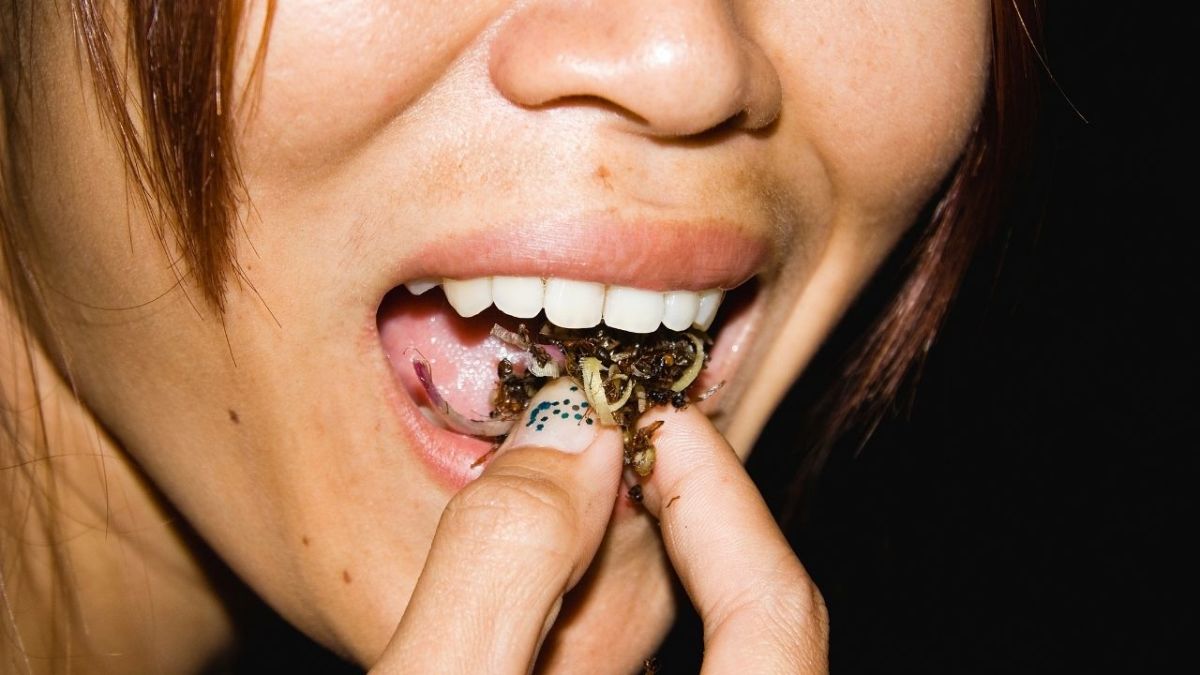 Can You Eat Ants? Read What You Need To Pay Attention To.
The Real Takeaway
Eating an ant isn’t just about nutrition—it’s about curiosity. It’s a tiny act of rebellion against the boring, the predictable, the “you’re not supposed to do that” rules of life. You will not grow an extra limb, but you will gain a story.
And here’s the inspiring part: if you can conquer the fear of eating a bug, you can probably handle that tough conversation, that new hobby, that scary step in your career. One ant is a metaphor for a thousand small, brave choices.
A Final, Chirpy Sendoff
So go ahead—find a clean, safe ant, take a tiny bite, and crunch your way into a more playful world. You’ll discover that the line between “gross” and “gourmet” is thinner than an ant’s leg.
Life is too short for boring snacks and boring minds. Stay curious, stay crunchy, and remember: the next time someone says “stop eating the ants,” you can smile and say, “But they’re delicious.” Now, go learn something weird—you might just feast on it.
