What Were Pipe Cleaners Originally Used For

For many of us, pipe cleaners are a beloved staple of childhood craft time, conjuring images of fuzzy animals, glittering crowns, and colorful sculptures. There is a simple, t...
For many of us, pipe cleaners are a beloved staple of childhood craft time, conjuring images of fuzzy animals, glittering crowns, and colorful sculptures. There is a simple, tactile joy in twisting these pliable wires into almost any shape imaginable. Yet, this cherished role in creative play is a relatively recent chapter in their long history. The true origin of pipe cleaners is far more practical, rooted in a need for cleanliness and safety in a bygone era.
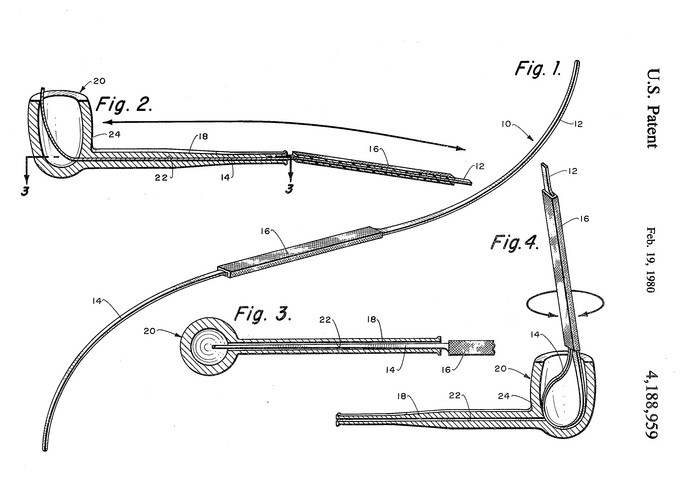
To understand what pipe cleaners were originally made for, one must look to the 19th century and the rise of the smoking pipe. Before the invention of disposable filters, smokers used pipes made from briar wood, meerschaum, or clay. After each use, these pipes would accumulate a sticky, foul-smelling residue of tar, ash, and moisture. This residue not only tainted the flavor of the tobacco but also created a fire hazard and a breeding ground for bacteria. The primary purpose of the earliest pipe cleaners was simple: to clean the narrow stem of a smoking pipe efficiently and effectively.
The key purpose of this simple tool was hygiene and maintenance. A clean pipe delivers a purer, more enjoyable smoking experience, free from the harsh, bitter taste of old residue. For the avid smoker of the 1800s, a pipe cleaner was as essential as the pipe itself. Consider a gentleman in a Victorian-era parlour, finishing his evening smoke. Without a pipe cleaner, he would have to use a thin wire or a cloth—both clumsy and ineffective methods. The modern pipe cleaner, with its soft cotton bristles wrapped around a flexible wire core, could be inserted into the stem, twisted, and pulled out, carrying the grime with it. This simple act preserved the pipe’s life and ensured a consistently pleasant ritual.
Must Read
The benefits of this original design quickly extended far beyond tobacco. The very qualities that made pipe cleaners ideal for cleaning pipes—their absorbency, flexibility, and non-abrasive texture—made them perfect for a host of other household and industrial tasks. Artisans and jewelers, for instance, began using them to clean the delicate crevices of intricate metalwork, watches, and musical instruments. A silversmith might use a pipe cleaner dipped in polish to reach the fine filigree of a silver brooch, a task impossible with a standard cloth. This dual life, as a specialized tool and an emerging craft supply, began to take shape.
Today, the context has shifted dramatically. While still sold in tobacco shops, the vast majority of pipe cleaners are now produced for the arts and crafts industry. Their pivot from utility to creativity demonstrates a beautiful, unexpected benefit: they unlock imagination. For a child making a spider for a school project, or a teacher building a solar system model, the pipe cleaner is a hero. Its low cost, safety (no sharp ends when bent), and vibrant colors make it an ideal medium for fine motor skill development in children and adults alike. It allows anyone, regardless of artistic ability, to create three-dimensional forms with instant gratification.
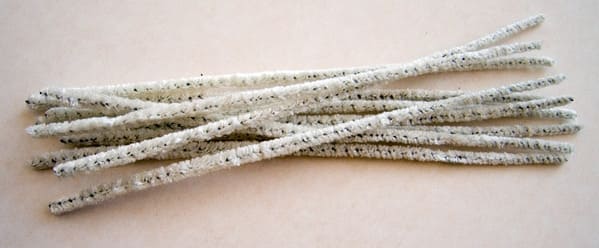 25 Products That Were Originally Invented For Another Purpose
To explore this tool’s original purpose at home, you can try a simple experiment. Find an old or unused glass jar with a narrow neck. Use a pipe cleaner to scrub the inside, where a brush cannot reach. The cotton fibers will capture dust and grime. For a more direct historical nod, take a used incense stick or a thin candle holder—the pipe cleaner can clean the soot and wax residue from its interior. This exercise grounds you in its practical genesis. For a crafty twist on its original job, make a “pipe cleaner brush” for your keyboard by bending one into a small loop to dust between the keys; it is far gentler than compressed air.
Understanding the origins of pipe cleaners adds a layer of appreciation for this humble object. What began as a specialized tool for smokers—a guardian of pure flavor and pipe longevity—has evolved into a universal symbol of childhood wonder. Next time you twist a fuzzy green pipe cleaner into a Christmas tree or a purple one into a flower, pause for a moment. You are not just crafting; you are continuing a legacy of innovation. From a Victorian gentleman’s pipe to a child’s smiling rainbow, the pipe cleaner remains a small, perfect example of how a simple invention can adapt and enrich our lives in ways its inventor could never have imagined. It is a tool that cleans one world and creates another.

