What Type Of Economic System Does The United Kingdom Have

There’s something quietly fascinating about understanding how a country’s economy actually ticks. It’s not just for economists in tweed jackets; it’s genuinely practical knowl...
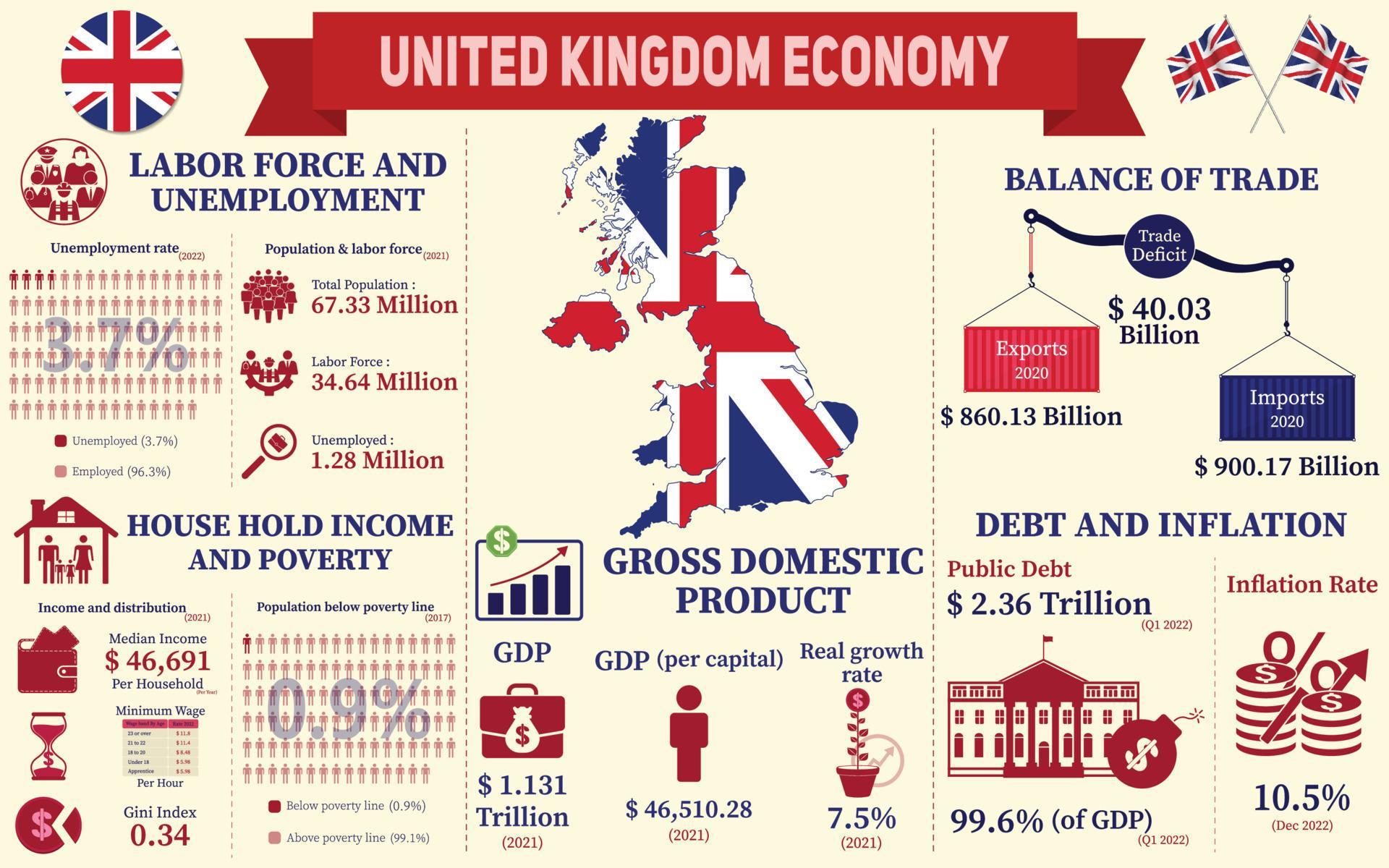
There’s something quietly fascinating about understanding how a country’s economy actually ticks. It’s not just for economists in tweed jackets; it’s genuinely practical knowledge that helps you make sense of the world around you. Think about it: why are your train tickets getting pricier? Why does the government sometimes step in to help a struggling bank? Why does a new coffee shop appear on every corner, while the post office down the street closes? The answer often lies in the type of economic system a country runs on. For the United Kingdom, this isn’t a dry textbook topic—it’s the invisible engine behind your daily life, affecting everything from your job to the price of a pint of milk.
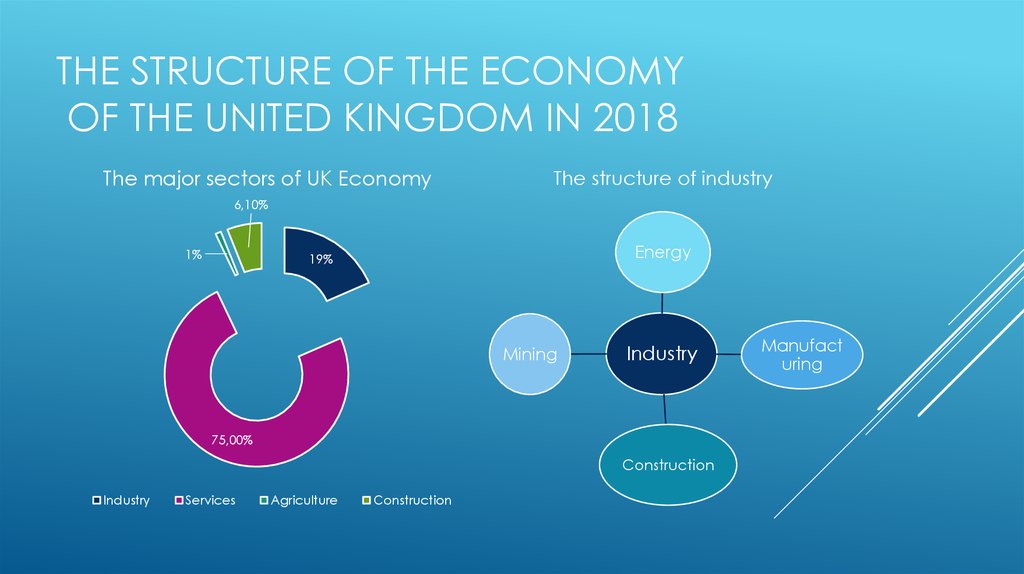
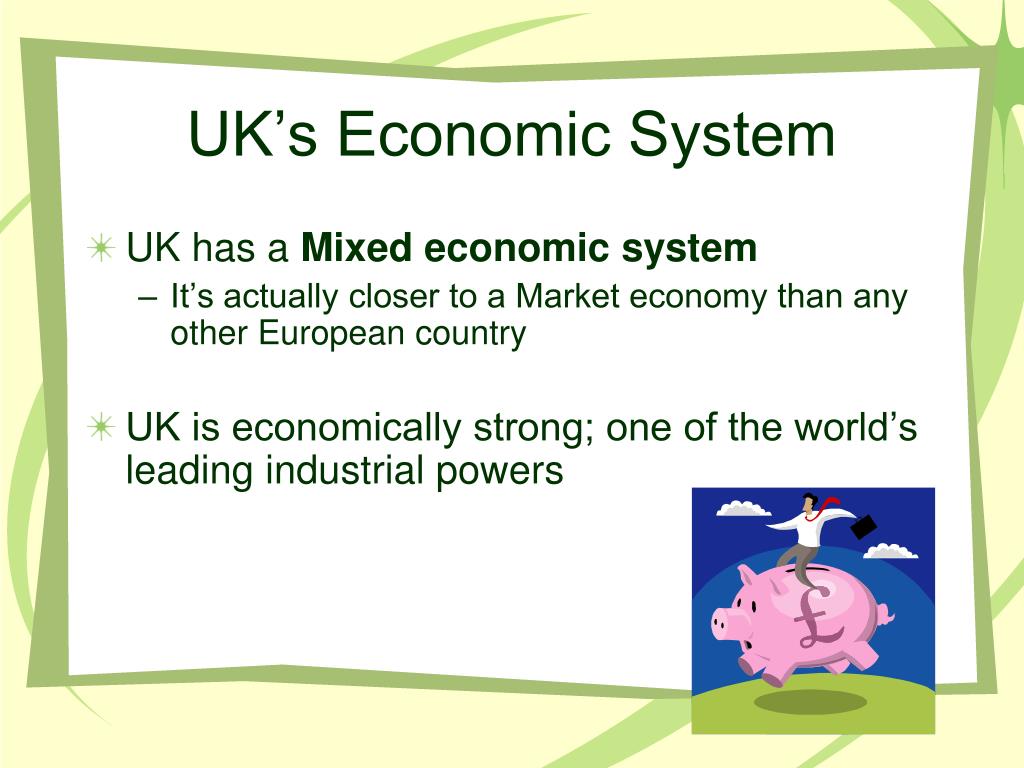
The main purpose of understanding the UK’s system is to see why it offers a blend of freedoms and safeguards. The UK operates what is known as a mixed market economy. This means it’s not a pure, wild-west free market where anything goes, nor is it a state-run command economy from a history book. Instead, it tries to take the best of both worlds. The benefit for businesses is that they have the freedom to innovate, compete, and set prices for most goods. For ordinary people, the benefit is a social safety net—things like the National Health Service (NHS) and public schools—that the government provides because the market alone might leave too many people behind.
You can see this mix in action every day. A great example is the privatisation of industries like telecommunications, airlines, and energy. Companies like BT or British Airways run on market principles: they compete for your business, try to make a profit, and answer to shareholders. That’s the market side. But the mixed side appears when the government regulates these companies, setting price caps on utility bills or safety standards on flights. Another classic variation is the housing market. Most housing is bought and sold privately (pure market), but the government also provides social housing for those who can’t afford market rents. This balancing act—profit alongside protection—is the heart of the UK system.
Must Read
So, how do you make the most of understanding this economic system? A simple, actionable tip is to become a savvy observer of policy. When you hear news about the Bank of England raising interest rates, don’t glaze over. This is a government tool to control inflation in a mixed economy. It directly affects how much your mortgage or credit card costs. Pay attention to government budgets (the “Autumn Statement”)—these announcements often reveal whether the UK is leaning more toward free-market policies (like deregulation or tax cuts) or toward social-market policies (like increased public spending). Knowing which way the wind blows helps you make better decisions about saving, investing, or even career choices.
 PPT - Comparing European Economies PowerPoint Presentation, free
Another practical step is to diversify your perspective. Don’t just listen to business commentators. Read reports from think tanks on both sides: the free-market Institute of Economic Affairs and the more interventionist Resolution Foundation. This will show you the ongoing debate within the UK’s mixed economy. For instance, should the NHS remain fully state-funded, or should it allow more private competition? Your personal view on that is part of how you interact with the system. By comparing these viewpoints, you’ll understand that the UK isn’t one static thing—it’s a live, breathing compromise that shifts with elections and public opinion.
Finally, remember that the UK’s economic system is a tool, not a doctrine. Its beauty is its flexibility. During a pandemic, the government can suddenly spend billions to furlough workers and support businesses (leaning heavily toward state intervention). In a boom, it might slash regulations to encourage startups (leaning toward the free market). As a citizen, the best way to make the most of this is to stay engaged. Vote in elections, yes, but also engage locally—support a cooperative business, or understand how your local council’s budget affects your street. The UK’s mixed economy works best when it’s understood by the people who live in it, allowing you to navigate its quirks with a bit more confidence and a lot less confusion.