What Type Of Bread Is Good For High Cholesterol

Let’s be honest for a second: bread is one of life’s great pleasures. That warm, toasty smell on a Sunday morning, the perfect vehicle for a gooey grilled cheese, or just a hu...
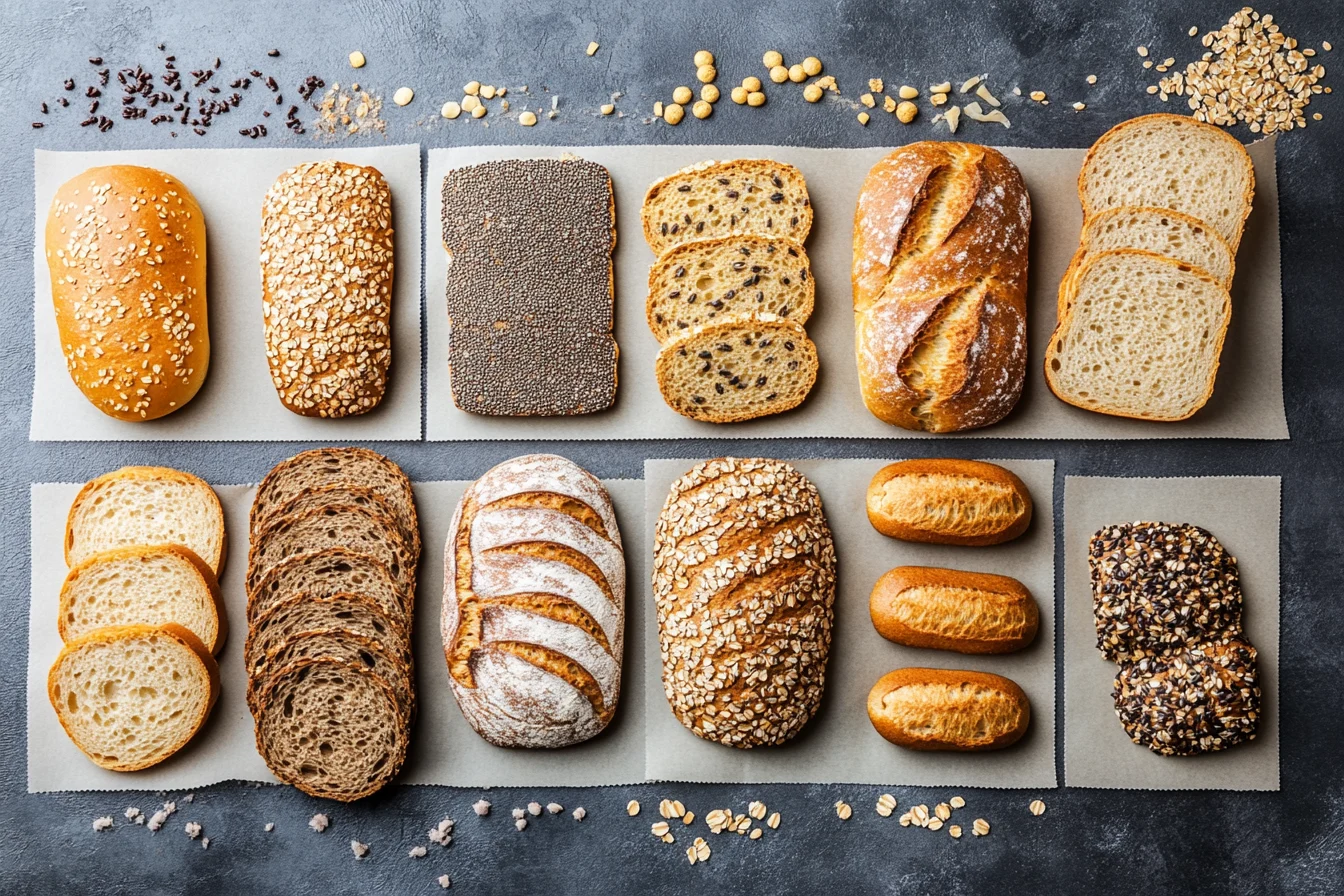
Let’s be honest for a second: bread is one of life’s great pleasures. That warm, toasty smell on a Sunday morning, the perfect vehicle for a gooey grilled cheese, or just a humble slice to mop up the last of your soup. So when your doctor mentions “high cholesterol,” your first thought might be, “Do I have to swear off my beloved toast forever?” Take a deep breath. The answer is a resounding no. You just need to pick your bread like you’d pick a good teammate—strategically.
The White Bread Trap
Let’s start with the usual suspect: the fluffy, soft white bread we all grew up with. You know the one—it squishes into a tiny ball in your palm and tastes like sweet, airy clouds. Sadly, that cloud is mostly refined flour, and for your cholesterol, it’s not a great friend. Refined carbs like this can spike your blood sugar and encourage your body to make more of the “bad” LDL cholesterol. It’s not a villain, but it’s definitely not on your team.
Think of it this way: white bread is like that friend who is super fun at a party but never helps you move furniture. You enjoy it, but you wouldn’t rely on it for heavy lifting. For your heart health, you need the bread that does the heavy lifting.
Must Read
Meet Your New Best Friend: Whole Grain
If there’s one bread you want to start a healthy relationship with, it’s 100% whole grain bread. Look for the words “100% whole wheat” or “whole grain” on the package. This isn’t just a marketing trick. Whole grains keep the entire kernel of the grain—the bran, the germ, and the endosperm—which means they’re packed with fiber. And fiber, my friend, is like a magic sponge for cholesterol.
That soluble fiber in whole grains latches onto cholesterol in your digestive system and helps escort it out of your body before it can clog things up. Sound good? It is. Oats and barley based breads are especially powerful here. Imagine your arteries getting a gentle, daily sweeping. You don’t have to imagine—you can eat it.
The Seeded Superheroes
Now, let’s get a little more sophisticated. Have you ever tried a dense, dark loaf studded with whole seeds? I’m talking about breads with flaxseeds, chia seeds, sunflower seeds, or pumpkin seeds. These little guys are not just for decoration. They are tiny nutrient-packed nuggets that bring healthy fats and even more fiber to the party.
 Balancing Cholesterol Levels: The Whole-Grain Bread Connection.
Flaxseeds are especially good news because they’re rich in omega-3 fatty acids, which help lower inflammation and support a healthy heart. Pro tip: buy bread that has visible whole seeds, or even better, get ground flaxseed and mix it into your favorite sandwich bread recipe. Your taste buds will thank you, and your cholesterol numbers will do a happy dance.
Sourdough: The Gut-Friendly OG
Let’s not forget the old classic: sourdough. That tangy, chewy loaf isn’t just delicious—it’s also smarter than average white bread. Thanks to its fermentation process, sourdough has a lower glycemic index, meaning it doesn’t spike your blood sugar as much. And that matters, because stable blood sugar helps your body manage cholesterol better.
Plus, the fermentation breaks down some of the antinutrients in grains, making it easier for your body to absorb all the good stuff. Find a real sourdough from a local bakery (not the ones loaded with commercial yeast) and you’ve got yourself a winner. Slather on a little avocado or nut butter, and you’re practically eating like a health guru.
The “Gluten-Free” Myth Buster
You might be tempted to grab a gluten-free loaf thinking it’s automatically healthier for cholesterol. Don’t fall for the trap. Many gluten-free breads are made with white rice flour and starches that are even worse for blood sugar than regular white bread. Unless you actually have celiac disease or a gluten sensitivity, whole grain gluten breads are usually better for your heart.
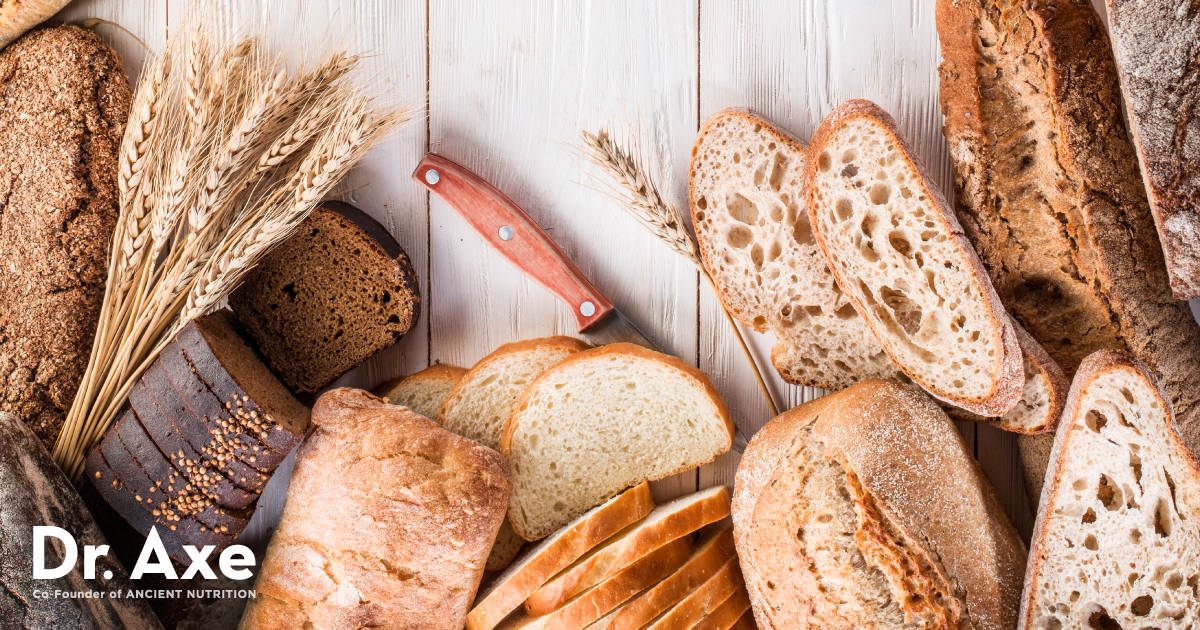 Top 5 Healthiest Bread Types to Eat - Dr. Axe
Always check the label. Look for the word “whole” first in the ingredients list. If it says “enriched wheat flour,” you’re basically eating white bread in a fancy coat. Your heart doesn’t care about the coat—it cares about the fiber inside.
How to Eat It Without Guilt
Here’s the best part: you don’t have to eat cardboard. Slather your whole grain or sourdough bread with some nut butter—the kind where the only ingredient is nuts and maybe a little salt. Or top it with mashed avocado and a sprinkle of red pepper flakes for a creamy, heart-friendly treat. Avoid butter and creamy spreads loaded with saturated fats (sorry, not sorry, cream cheese).
Start small. If you’re used to white bread, try a 50/50 mix at first: half whole grain, half regular. Your taste buds will adjust in about two weeks, promise. And once they do, you’ll wonder how you ever ate that squishy, soft stuff. You’ll feel fuller, more energized, and secretly proud that you’re doing something good for your ticker.
So go ahead, enjoy your toast. Pick a loaf that works with your health, not against it. Your heart will thank you, and your morning ritual just got a whole lot smarter.
