What To Use Instead Of Cornmeal For Pizza

There’s something genuinely satisfying about making pizza at home. You get to control the toppings, the cheese pull, and that perfect, blistered crust. But if you’ve ever foll...

There’s something genuinely satisfying about making pizza at home. You get to control the toppings, the cheese pull, and that perfect, blistered crust. But if you’ve ever followed a recipe that calls for dusting the peel or the pan with cornmeal, you might have hit a small, practical snag. Maybe you don’t have cornmeal in the pantry, or perhaps you’re not a fan of its gritty, slightly crunchy texture on the bottom of your pizza. The good news? This is a delightfully easy problem to solve. Finding the right substitute isn’t about settling—it’s about discovering new ways to get that perfect, non-stick slide and a crust that suits your exact taste. This topic is widely appreciated because it turns a common frustration into a creative kitchen win for beginners and seasoned bakers alike.
The main purpose of a cornmeal substitute is simple: it creates a thin, dry layer between your raw dough and the pizza peel or baking sheet. This barrier prevents the dough from sticking while you slide it into a hot oven. The benefit is huge—no more mangled pizzas or stuck-to-the-pan disasters. For those who prefer a softer, more uniform crust, or for anyone with dietary restrictions (like needing a gluten-free option), swapping cornmeal opens up a world of possibility. It’s a small tweak that makes home pizza night remarkably more reliable, whether you’re using a stone, a steel, or a simple sheet pan.
One of the most popular and effective swaps is semolina flour. This is the flour used to make pasta, and it’s a close cousin to cornmeal in terms of texture. It gives the bottom of your pizza a subtle, pleasant crunch without the coarse, sandy feel of cornmeal. It also adds a lovely golden color and a mild, nutty flavor. If you want a substitute that feels familiar but upgrades the texture, semolina is your best bet. Use it exactly as you would cornmeal: a light dusting on your peel or parchment paper.
Must Read
For those who crave an ultra-crisp bottom without any grit at all, all-purpose flour is the simplest hero. It’s already in your pantry, it’s free of corn (great if you have a corn allergy), and it works like a charm. The key is to use just enough—a very light, even dusting—so it doesn’t clump or burn. This method is especially good for thin-crust and New York-style pizzas. Alternatively, a 50/50 mix of all-purpose flour and rice flour creates a fantastic barrier that browns beautifully and stays non-stick, all while keeping the crust silky-smooth.
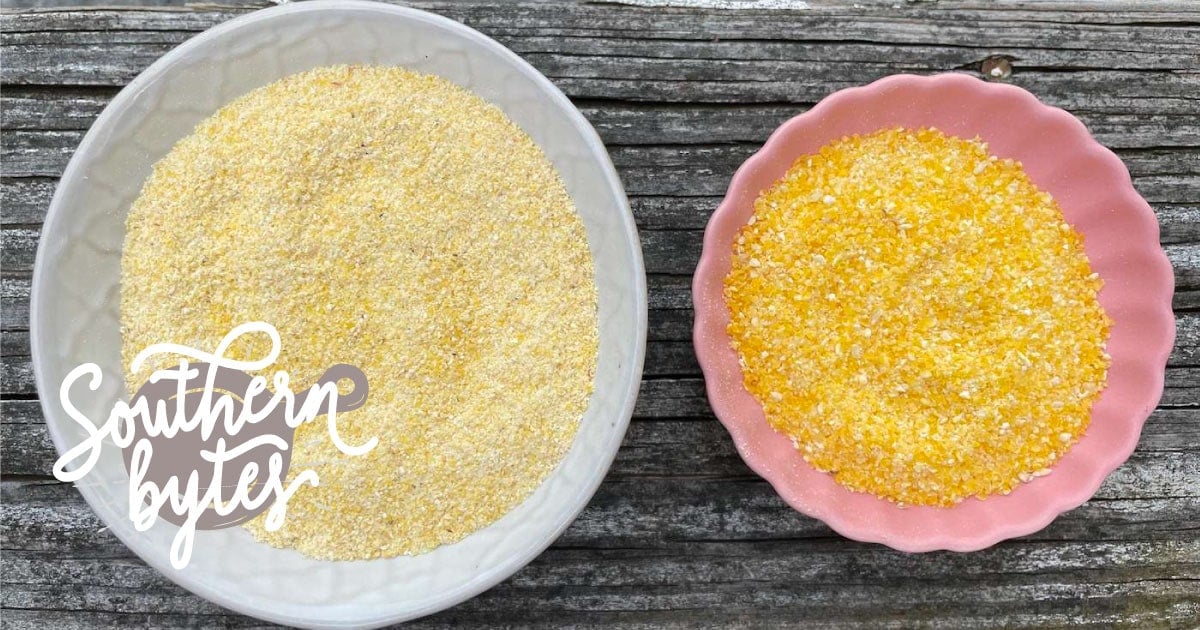 10+ Delicious Cornmeal Substitutes - Southern Bytes
If you’re after something more rustic or want to sneak in a bit of nutrition, fine-ground oats (or oat flour) can be a surprising winner. Pulse rolled oats in a food processor until they’re about the texture of coarse sand. This works wonderfully for whole-wheat or sourdough crusts, adding a slightly sweet, earthy note. Likewise, farina (like the cereal Cream of Wheat) or even finely ground almond flour can work in a pinch—just remember that almond flour browns faster, so keep an eye on your oven. The beauty here is that each substitute gives your pizza a slightly different personality.
Getting started is straightforward: always dust your work surface, peel, or parchment paper lightly. You can even mix a small bowl of your chosen substitute with a pinch of salt. The golden rule is to shake off any excess before you slide the pizza into the oven—too much flour or semolina can burn and taste bitter. For the absolute easiest method, consider using parchment paper. Simply shape your pizza on a piece of parchment dusted with a little semolina or flour, then slide the whole paper (with the pizza) onto your preheated stone or steel. No stick, no mess, no stress. That’s the real win: a perfectly launched pizza, every time.

