What To Use Instead Of Chicken Bouillon

For many home cooks, chicken bouillon is a quiet kitchen hero. Whether it’s a cube dissolved into a pot of simmering rice, a teaspoon stirred into a creamy soup, or a base for...

For many home cooks, chicken bouillon is a quiet kitchen hero. Whether it’s a cube dissolved into a pot of simmering rice, a teaspoon stirred into a creamy soup, or a base for a quick gravy, its primary purpose is to deliver depth of flavor and a satisfying savory foundation in minutes. The key benefit of bouillon is its convenience: it transforms bland water into a rich, aromatic liquid without the hours-long simmering of a stockpot. However, as more people explore plant-based diets or simply want to reduce their sodium and preservative intake, the question arises: What can you use instead that still delivers that same umami punch?
The simplest and most effective swap is vegetable bouillon or vegetable stock. Unlike chicken bouillon, which often relies on a single poultry note, vegetable versions are crafted from a symphony of ingredients—onion, carrot, celery, leek, and sometimes mushrooms—that create a broader, more complex savory profile. For example, a vegetable bouillon cube dissolved into a pot of lentil soup adds an earthy richness that chicken bouillon can’t match. The benefit is twofold: you avoid animal products while gaining a more versatile seasoning that pairs beautifully with grains, beans, and roasted vegetables.
For those who crave the specific meaty, savory depth that chicken bouillon provides, consider mushroom bouillon or mushroom powder. Dried mushrooms, especially shiitake or porcini, are packed with glutamates—the natural compounds responsible for umami. Grind dried mushrooms into a fine powder and use it as a 1:1 replacement for bouillon granules. In a mushroom risotto or a beefless stew, a teaspoon of this powder will deliver a deep, earthy, almost brothy flavor that mimics the best qualities of chicken stock. This swap is particularly beneficial for adding richness to dishes like stir-fries, where liquid volume is limited, and flavor concentration matters most.
Must Read
Another excellent alternative is soy sauce or tamari, which might seem unconventional but works remarkably well when applied correctly. A splash of soy sauce in a pot of boiling water (about one tablespoon per cup) instantly creates a salty, umami base that can replace bouillon in soups, sauces, and braises. To avoid an overly salty result, combine it with a pinch of nutritional yeast (which adds a cheesy, nutty savoriness) or a small amount of tomato paste. For instance, in a classic chicken noodle soup replacement, a broth made from soy sauce, a dollop of tomato paste, and a few slices of ginger and garlic can astonish you with its depth—all without a single bouillon cube.
If you prefer a more whole-foods approach, low-sodium vegetable broth concentrate or homemade broth paste is a game-changer. Store-bought concentrates often list vegetables and herbs as their top ingredients, with far less salt and no artificial flavors. Better yet, make your own: simmer vegetable scraps (onion skins, carrot tops, celery ends) with a bay leaf and black peppercorns for 45 minutes, then strain and reduce the liquid until it’s syrupy. Freeze it in ice cube trays. Each cube becomes a concentrated flavor bomb that you can drop into any dish for instant richness—no squishy cubes or powdered packets required.
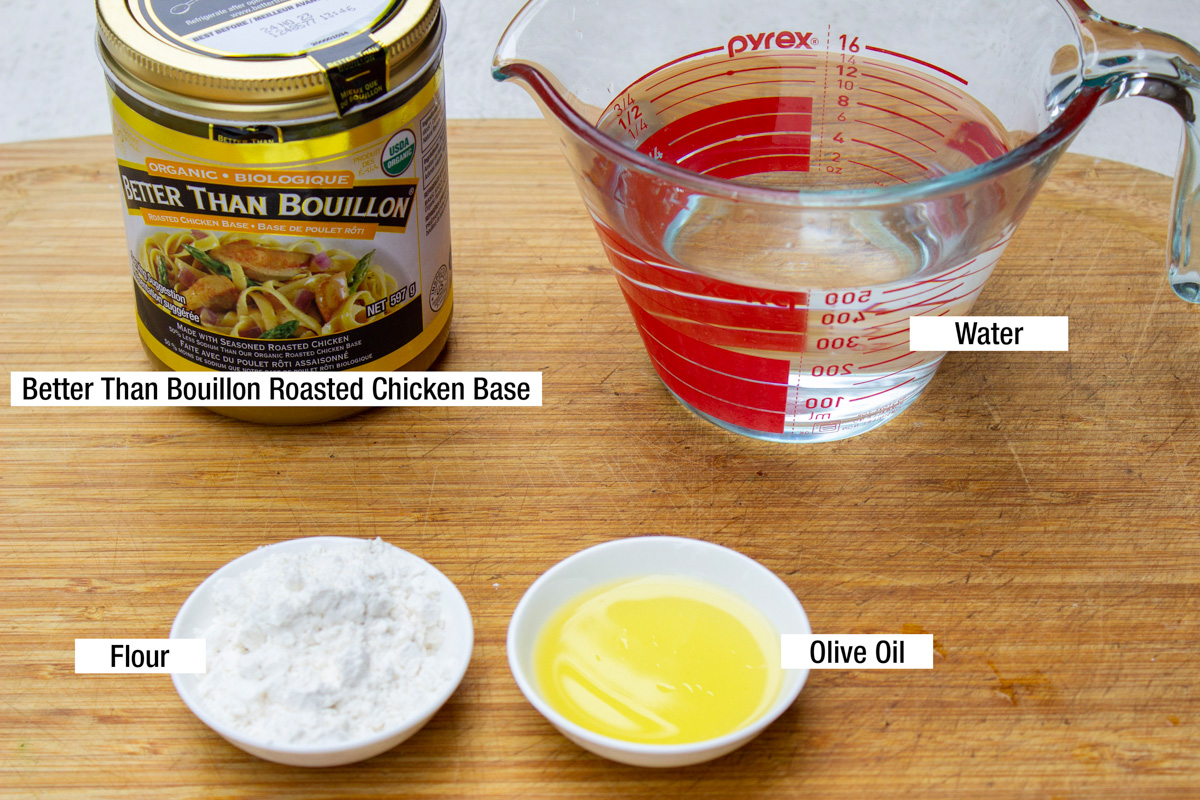
 Better Than Bouillon No Chicken Base Vegan Better Than Bouillon
Finally, do not underestimate the power of spices and aromatics to build a broth base from scratch. Instead of reaching for bouillon, try sautéing a generous amount of onion, garlic, and ginger in oil until golden, then adding water and a pinch of smoked paprika, turmeric, or a bay leaf. This technique works brilliantly in recipes where chicken bouillon was just a convenient shortcut, such as in rice pilaf or a light vegetable soup. The smoky, aromatic layers you create will be far more complex than any bouillon cube can offer, and your kitchen will smell like a real meal is being made.
To explore these alternatives on your own, start with a simple test: the next time you make a pot of soup or a batch of quinoa, swap the chicken bouillon for an equal amount of mushroom powder or half the amount of soy sauce. Taste the broth before adding salt, as many substitutes bring their own salinity. For a truly hands-on experiment, roast a head of garlic, mash it, and stir it into water with a spoonful of miso paste—miso’s fermented umami is a powerhouse. Remember, the best replacement is not about replicating chicken bouillon exactly, but about embracing new flavors that make your everyday cooking more diverse, healthier, and surprisingly delicious.