What To Use In Place Of Kosher Salt

Welcome, kitchen adventurer! If you’ve ever stood in front of a recipe that calls for kosher salt, only to find your pantry bare of it, don’t panic. You are about to discover...
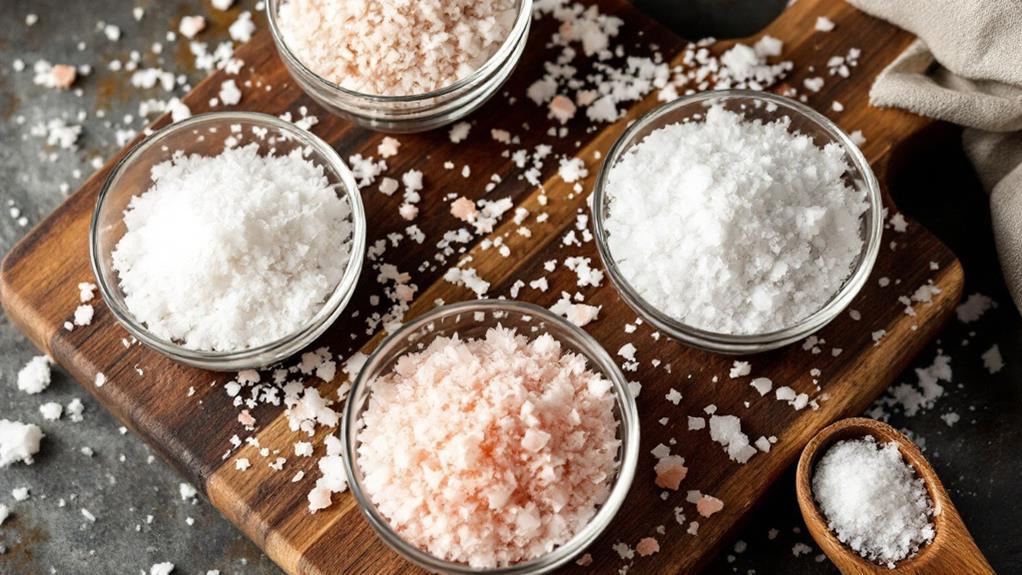
Welcome, kitchen adventurer! If you’ve ever stood in front of a recipe that calls for kosher salt, only to find your pantry bare of it, don’t panic. You are about to discover a tiny, delicious secret: salt is not all created equal, but you’ve already got fantastic alternatives waiting for you. Kosher salt’s superpower is its flaky, coarse texture that makes it easy to pinch and distribute evenly. It’s the unsung hero for seasoning meat, rimming glasses, or adding a final crunch. By understanding what to use in its place, you unlock a whole new world of culinary flexibility—and maybe even improve your cooking. Let’s turn a potential kitchen crisis into a fun experiment in flavor and texture!
The first and most common swap is coarse sea salt. Think of it as kosher salt’s elegant cousin. If you find a box of coarse sea salt (the kind with big, irregular crystals), you’ve got a nearly perfect substitute. Use it in equal measure—one teaspoon for one teaspoon—and you’ll barely notice a difference. The advantage? Coarse sea salt often comes from pristine waters and carries subtle mineral notes that can elevate simple dishes. For example, sprinkle it over a slice of ripe tomato with a drizzle of olive oil: the crunch and burst of salinity is pure joy. If your sea salt is fine-grained (like table salt), reduce the amount by half because it’s denser and saltier by volume. This is a critical tip: texture changes saltiness.
Now, let’s talk about the rock star of the salt world: flaky sea salt (think Maldon or fleur de sel). This is the fancy, pyramid-shaped stuff you see on top of caramel desserts or gourmet steaks. Could it replace kosher salt? Yes, with a twist. Flaky salt dissolves faster and gives a more intense pop of flavor on the tongue. For cooking, it works beautifully if you’re finishing a dish—like sprinkling on roasted vegetables, salads, or chocolate chip cookies before they go in the oven. However, because it’s lighter and more hollow, you’ll need about 1.25 teaspoons of flaky salt for every 1 teaspoon of kosher salt. The creative idea here? Use flaky salt to mimic that coarse grip kosher salt gives when rubbing a brisket or salting pasta water—just crush it lightly between your fingers first.
Must Read
What if all you have is table salt? Don’t dismiss it! Table salt is the workhorse of the pantry, and while it’s not a direct swap, it’s totally usable with a little math. Because table salt is ground so fine, it packs much more sodium per teaspoon. A direct one-to-one substitution will ruin a dish with saltiness. Instead, use half the amount: if a recipe calls for 1 teaspoon of kosher salt, use only ½ teaspoon of table salt. This is a perfect example of why understanding salt is fun—you get to be a kitchen scientist! The advantage of table salt is its uniform dissolution, making it ideal for baking or brines where you need precise consistency. For a fun twist, mix table salt with a pinch of sugar or dried herbs to create a custom seasoning blend that mimics kosher salt’s texture (though it won’t have the same flake).
Don’t forget the unexpected heroes: pickling salt and Hawaiian red salt. Pickling salt is pure, fine, and free of anti-caking agents, so it works just like table salt but with a cleaner taste—use the same half-volume rule as table salt. Hawaiian red salt (’alaea) is a coarse, moist salt colored with volcanic clay, and its earthy, slightly metallic flavor adds a dramatic twist. Use it as a one-to-one substitute for kosher salt in savory dishes like grilled meats or roasted potatoes. The creative edge? Its reddish hue looks stunning on a plate of eggs or avocados. Another option is smoked salt, which offers a campfire-like aroma—perfect for veggie burgers or chili. Just remember: smoked salt is powerful; start with half the recommended kosher salt amount and taste as you go.
 How Long Will The Kosher Salt Shortage Last?
Here’s a practical tip for all swaps: taste as you go. Since different salts dissolve at different rates, add seasoning in stages. For example, if you’re salting a pot of boiling water for pasta, throw in a generous pinch of coarse sea salt (about 1 tablespoon per 4 quarts of water) and stir. For a dry rub on chicken, use flaky or coarse sea salt, and let it sit for 15 minutes to absorb. If you’re baking, stick with fine salt for even distribution—then you can finish with a sprinkle of flaky salt for visual appeal. Pro tip: Keep a small dish of your chosen salt next to your stove. Pinch it like kosher salt, feel its texture, and adjust based on your recipe’s needs. This hands-on approach builds confidence and makes you a better cook.
In the end, the best substitute for kosher salt is the one you already have—as long as you adjust for texture and volume. The real fun begins when you experiment: try smoked salt on popcorn, Hawaiian red salt on roasted carrots, or flaky sea salt on brownies. Each alternative brings its own personality to the table, turning a simple pinch into a culinary signature. Salt is not just salt—it’s a tool for flavor, texture, and joy. So next time a recipe says “kosher salt,” smile, grab your favorite substitute, and salt with confidence. Your taste buds (and your pantry) will thank you.
:max_bytes(150000):strip_icc()/__opt__aboutcom__coeus__resources__content_migration__simply_recipes__uploads__2019__02__Guide-to-Salt-2-7ad7a9b4cf934ff48e235ea9adb2450f.jpg)
