What To Substitute Milk For In Mac And Cheese

Mac and Cheese: The Great Dairy Debate Alright, folks, let's dive into the big, cheesy world of mac and cheese. We've all been there - you're craving that comforting, creamy...
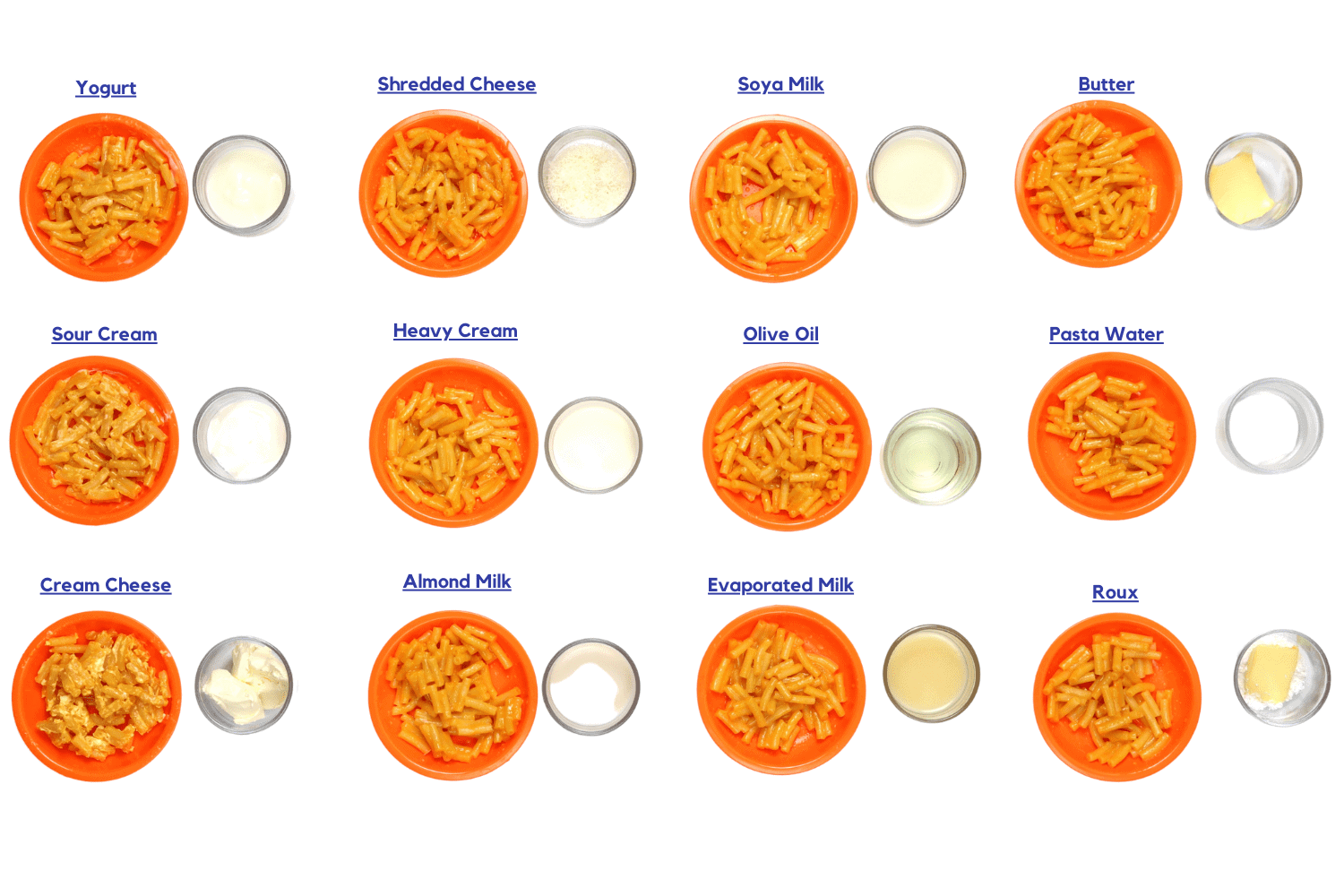
Mac and Cheese: The Great Dairy Debate
Alright, folks, let's dive into the big, cheesy world of mac and cheese. We've all been there - you're craving that comforting, creamy goodness, but suddenly, you realize you're out of milk. Or maybe you're trying to cut back on dairy, or perhaps you've got a lactose-intolerant friend joining you for dinner. Whatever the reason, you find yourself asking, "What on earth can I use to substitute milk in my mac and cheese?"
First Things First: The Dairy Dilemma
Now, I'm not here to judge. I mean, who among us hasn't stared blankly into the abyss of an empty milk jug, wondering how we managed to polish off the last drop without even realizing it? It's like that time I finished off the entire bag of tortilla chips while watching Netflix. Whoops.
But I digress. The point is, we've all been in a pickle when it comes to our mac and cheese. So, let's explore some alternatives that'll have you saying, "Hold the dairy, please!"
Must Read
Liquid Gold: The Non-Dairy Substitutes
Almond milk, soy milk, oat milk - the plant-based milk scene has exploded, and they're all vying for a spot in your mac and cheese. But which one reigns supreme?
Almond milk is a popular choice for those watching their calories. It's light, creamy, and has a mild flavor that won't overpower your cheese. But be warned, it can sometimes make your cheese sauce a tad runny. Think of it as the skinny jeans of the milk world - it looks great, but it's not always the most comfortable.
Soy milk is another contender, with a slightly nutty flavor that can add a unique twist to your mac and cheese. It's also a good source of protein, which is always a bonus. However, it can sometimes make your sauce a bit grainy, so it's a bit of a hit or miss.
Then there's oat milk, the new kid on the block. It's creamy, has a neutral flavor, and it's usually fortified with vitamins and minerals. It's like the friend who always brings the best snacks to the party. But it can sometimes make your sauce a bit thick, so you might need to add a little more liquid than usual.
Broth: The Savory Surprise
Now, before you roll your eyes and say, "Broth in my mac and cheese? That's crazy talk!" hear me out. Using vegetable or chicken broth as a base for your cheese sauce can add a depth of flavor that'll make your taste buds dance. It's like that one friend who always brings the most interesting stories to the table.
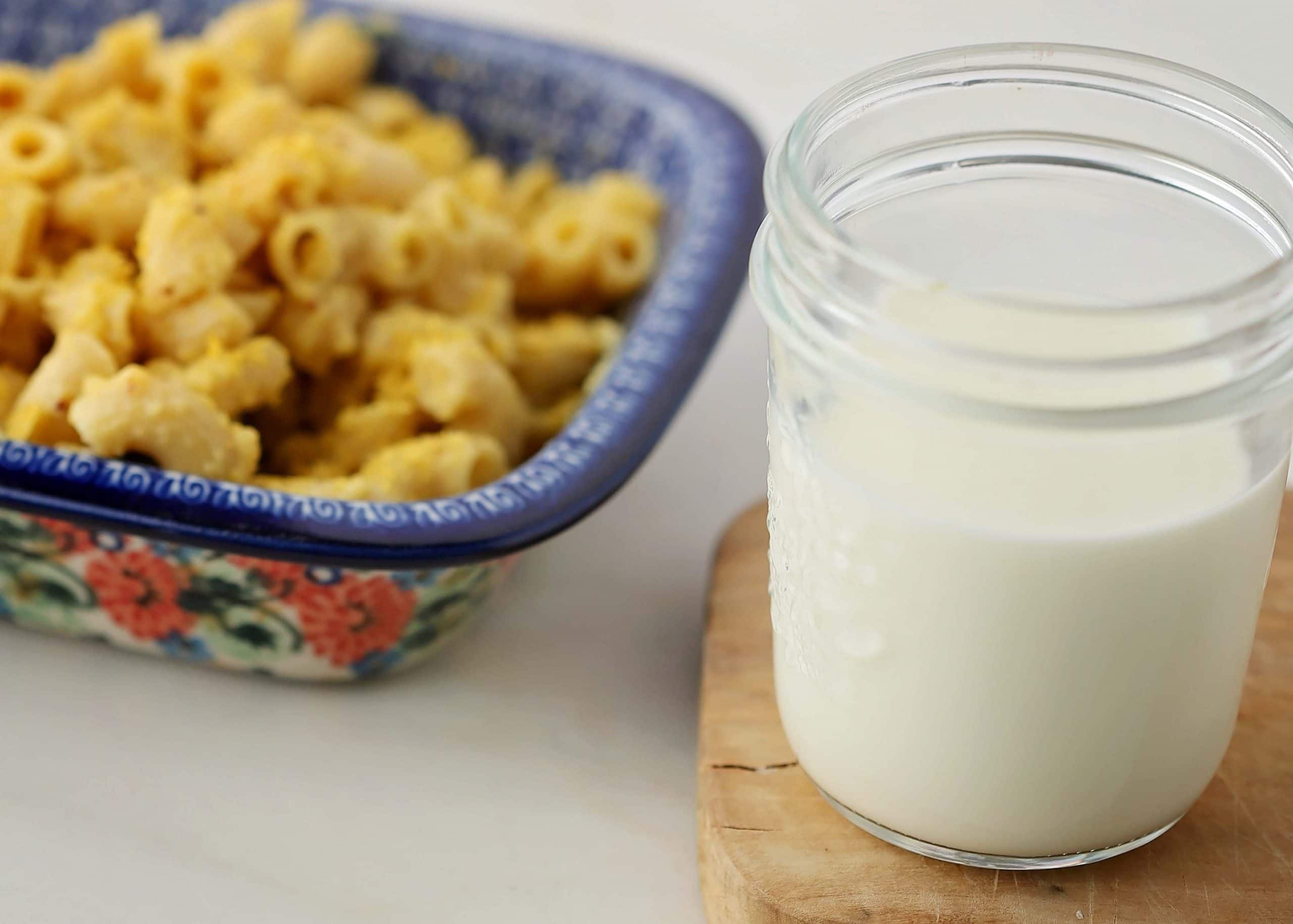 Substitute for Milk in Mac and Cheese: 12 Options To Try. - Flavorful Home
Plus, it's a great way to sneak in some extra nutrients. Just make sure to use a low-sodium broth, or you might end up with a salty surprise. And don't worry, your mac and cheese won't taste like soup. The cheese will still be the star of the show.
Creamy Dream: The Dairy-Free Dream Team
If you're really looking to up your non-dairy game, consider this dynamic duo: canned coconut milk and nutritional yeast. I know, I know, it sounds like a weird combination. But trust me on this one.
Canned coconut milk adds a rich, creamy base to your sauce, while nutritional yeast gives it a cheesy, nutty flavor that'll make you do a double-take. It's like the ultimate power couple of the dairy-free world. Just make sure to use unsweetened coconut milk, or your mac and cheese might end up tasting like a pina colada. And while that might sound delicious, it's probably not what you're going for.
The Great Mac and Cheese Experiment
So there you have it, folks. The world of non-dairy mac and cheese is your oyster. Well, not literally. That would be weird. And probably not very tasty.
But seriously, don't be afraid to experiment with different substitutes. You never know when you'll stumble upon your new favorite way to make mac and cheese. And who knows? You might even convert a lactose-intolerant friend or two along the way.
Happy cooking, and remember - the only wrong way to make mac and cheese is not making it at all. So get out there, get creative, and get cheesy. Your taste buds (and your lactose-intolerant friends) will thank you.
