What To Put On Fiberglass Rash

So, you were tackling that old boat, sanding down a surfboard, or maybe even wrestling with some patio furniture that looked harmless. Then it hit you. That maddening, tiny-ne...
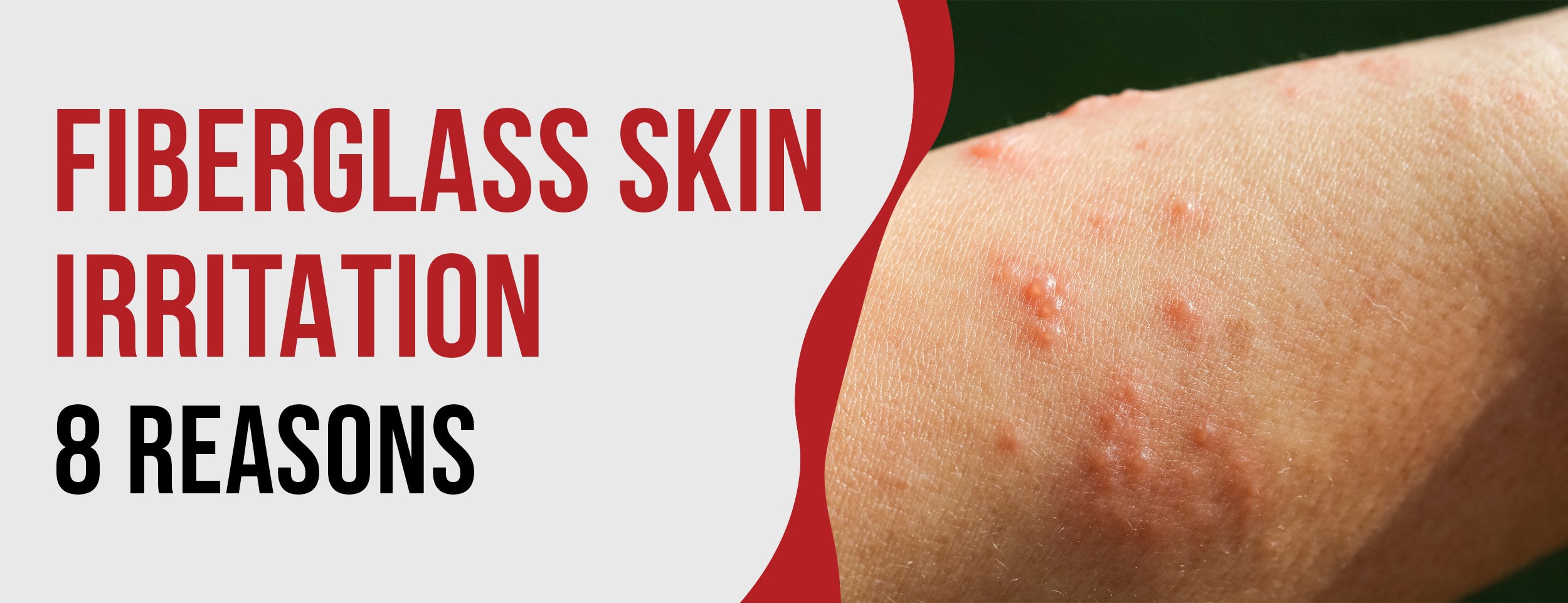
So, you were tackling that old boat, sanding down a surfboard, or maybe even wrestling with some patio furniture that looked harmless. Then it hit you. That maddening, tiny-needle itch on your arms. Welcome to the club of people who have met fiberglass rash. It’s like a cactus decided to throw a party on your skin, and you’re the unwilling host.
I remember the first time I got it. I was helping a buddy fix his camper van. We felt like heroes until we went inside for lunch. He looked at me, I looked at him, and we both started scratching like raccoons with a secret. It’s the kind of itch that makes you forget your own name.
What’s actually happening to your skin?
Think of fiberglass like microscopic slivers of glass. When you touch it, those tiny shards burrow into your top layer of skin. Your body freaks out and sends in the inflammation team, which is that red, bumpy, angry rash.
Must Read
It’s not an allergy for most people. It’s a mechanical irritation. Imagine rubbing a handful of ground-up toothpicks on your arm. That’s what your skin is going through, just on a scale you can’t see with your naked eye.
Step one: Stop touching your face.
Seriously. The first rule of fiberglass club is stop spreading the tiny shards. You don’t want those little guys hitchhiking to your neck, your eyes, or—heaven forbid—your backside. It’s a good rule of thumb for life, actually. When in doubt, wash up.
Cold water is your new best friend.
Hop in the shower, but use cold water. Hot water opens your pores and can drive those fibers deeper. Cold water keeps things tight and helps flush out the loose slivers. Let the water run over you for a good, solid five minutes.
Use a mild soap that doesn’t have a bunch of perfumes. Something gentle, like a baby wash. You’re not trying to scrub off a tattoo; you’re trying to gently wash away the splinters. Pat dry with a clean towel. Don’t rub. Rubbing is the enemy.
The magic of tape and glue.
Here’s where it gets fun. Grab a roll of masking tape or even duct tape in a pinch. Gently press it onto the rash and peel it off. The tape grabs the protruding fibers and yanks them out much better than washing alone. It’s like a wax strip for your misery.
 How to Get Fiberglass Out of Skin Safely and Effectively | TheBeautyFoodie
If you’re feeling fancy, you can use white school glue. Paint a thin layer on the rash, let it dry completely, and then peel it off. It feels oddly satisfying, like peeling sunburned skin—but way more productive. You’ll see the little fibers stuck in the glue. Victory.
Soothing the beast.
After you’ve de-splintered yourself, it’s time to calm the redness. A cool compress feels like a hug from a cloud. Just soak a washcloth in cold water, wring it out, and lay it on the itchy spots for ten minutes.
Over-the-counter hydrocortisone cream is your next ally. It dulls the inflammation noise. Avoid heavy lotions or greasy ointments at first, because they can trap fibers that are still hanging out. You want them to come out, not stay for dinner.
If the itch is driving you up the wall, an oral antihistamine like Benadryl can help you sleep at night. Just don’t take it before you need to drive a forklift. We want you comfortable, not napping in the supply closet.
What about that weird home remedy?
You’ll hear people swear by vinegar or even hair conditioner. Vinegar is a hit-or-miss for some folks. It can help with the sting, but it won’t yank out fibers. Conditioner? It can help lubricate the skin, making it easier for fibers to slide out during a rinse. It’s not science, but if it works, it works.
 Pain In The Glass: If You Get Fiberglass Rash On Your Skin, Do This
My personal favorite weird trick is a bowl of oatmeal in a sock. Seriously. Fill a clean sock with dry oatmeal, tie it off, and toss it in a cold bath. The oatmeal water is soothing like a grandmother’s lullaby. Your skin will thank you.
When to throw in the towel and see a doctor.
Most fiberglass rash clears up in a few days, like a bad houseguest. But if you see yellow ooze, spreading redness, or a fever, that’s a sign of infection. Your body is throwing a bigger tantrum, and it might need a doctor’s help.
Also, if you got fiberglass in your eyes, don’t play hero. Rinse them out with cool water for 15 minutes and call your doctor. Eyes are not for experiments.
The best cure? Prevention.
Next time, wear a long-sleeved shirt and gloves. Look like a dork. Feel like a winner. Wash your work clothes separately from your regular laundry. You don’t want your favorite t-shirt to become a fiberglass delivery system.
Remember: fiberglass rash is temporary, but the feeling of relief when you finally stop itching? That’s forever. Be gentle with your skin, be patient with the itch, and keep some tape in your toolbox. You’ve got this.
