What To Give A Cat With An Upset Stomach

There is a special kind of quiet anxiety that settles over a home when a beloved cat starts to feel unwell. Perhaps you’ve seen it: the sudden disinterest in a favorite toy, t...
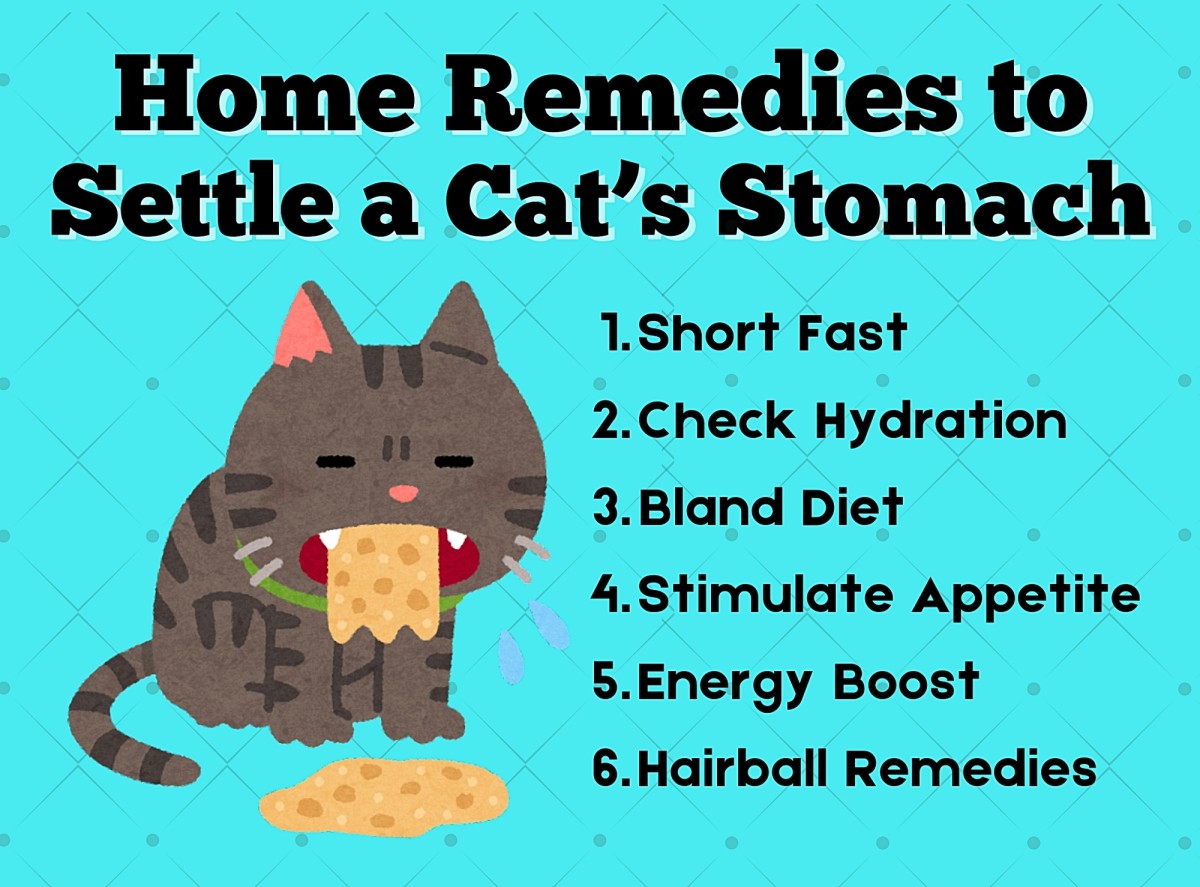
There is a special kind of quiet anxiety that settles over a home when a beloved cat starts to feel unwell. Perhaps you’ve seen it: the sudden disinterest in a favorite toy, the restless pacing, or the worrying sound of retching on the carpet. For millions of cat owners, our feline companions are not just pets; they are family. Their well-being directly impacts our own peace of mind. Understanding how to soothe a cat with an upset stomach is therefore not just about treating a physical ailment—it is about restoring the harmony of your shared home. A healthy gut means a relaxed cat, and a relaxed cat makes for a more joyful and less stressful daily life for everyone under the same roof.
The key purpose of knowing what to give a cat with an upset stomach is to support the body’s natural healing process without causing further irritation. The worst thing you can do is panic and offer human remedies or a sudden diet change. The primary goal is to rest the digestive system. Think of it like a short, gentle fast for the gut. For a healthy adult cat, withhold food for 12 to 24 hours (never water). This simple step is often the most effective first aid, allowing the inflamed stomach lining to settle. However, you should never fast a kitten, a senior cat, or one with underlying health issues like diabetes—always consult your veterinarian first in these cases.
One of the most valuable and everyday benefits of knowing this care is the ability to offer a bland, easily digestible diet during recovery. After the initial fasting period, the goal is to reintroduce food gently. A classic, vet-approved option is plain, boiled white meat chicken (no skin, no bones, no seasoning) or plain boiled white fish like cod or haddock. Another excellent choice is plain cooked white rice or pumpkin puree (unsweetened, not pie filling). The fiber in pumpkin can help firm up loose stools, while the simple proteins are gentle on a sensitive gut. Offer these in tiny, frequent portions—about a teaspoonful every few hours—to avoid overwhelming the system.
Must Read
A critical but often overlooked tip is to prioritize hydration above all else. Vomiting and diarrhea can quickly lead to dehydration, which is a serious risk for cats. Ensure your cat has constant access to fresh, clean water. You can also encourage drinking by offering a low-sodium chicken or bone broth (make sure it contains no onions or garlic, which are toxic to cats). Some cats are drawn to running water, so turning on a faucet to a slow drip or providing a pet water fountain can be remarkably effective. If your cat is not interested in drinking, you can use a clean syringe (without the needle) to gently offer a few milliliters of water at a time into the side of its mouth.
It is also essential to understand what not to give. Avoid dairy products like milk or yogurt—most adult cats are lactose intolerant, and this will worsen the upset. Stay far away from human anti-diarrhea medications or pain relievers like ibuprofen or acetaminophen, which can be fatal to cats. Also, resist the urge to switch back to their regular diet too quickly. A gradual transition over two to three days is best: mix small amounts of their normal food with the bland diet, increasing the proportion of regular food each day. A sudden return can trigger another episode of vomiting or diarrhea, undoing all your careful work.
 What To Give My Cat For Upset Stomach | Detroit Chinatown
For cat owners looking to explore preventative care, a few simple practices can make a huge difference. Keep your cat’s environment low-stress, as stress is a major cause of digestive upset in felines. Offer multiple, small meals throughout the day rather than one large bowl, which can overwork the stomach. Consider adding a probiotic specifically formulated for cats to their daily routine; these beneficial bacteria support a healthy gut microbiome and can reduce the frequency of stomach issues. You can find these in powders, chews, or treats at your veterinarian’s office or reputable pet supply stores.
Finally, know when to stop home care and seek professional help. If your cat is lethargic, hiding, has blood in its vomit or stool, is a kitten or senior, has not kept water down for 12 hours, or has a pre-existing condition like kidney disease or pancreatitis, call your veterinarian immediately. The information here is for supportive care of minor upsets; it is not a substitute for a medical diagnosis. When in doubt, an hour of professional guidance is always better than a day of worry. By learning these gentle, thoughtful interventions, you empower yourself to be a calmer, more effective caregiver, deepening the bond you share with your sensitive and beloved companion.

